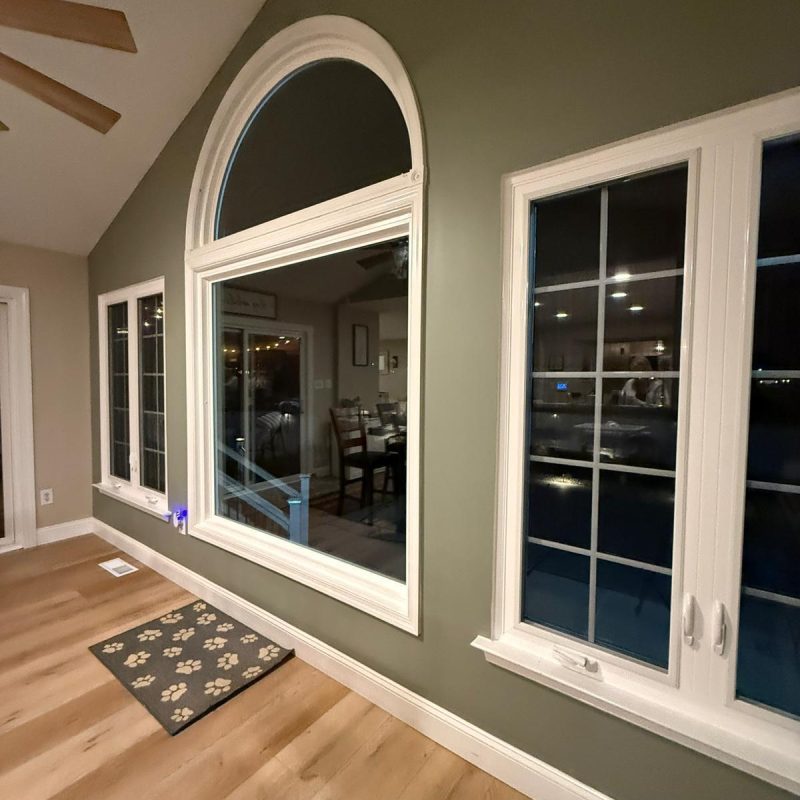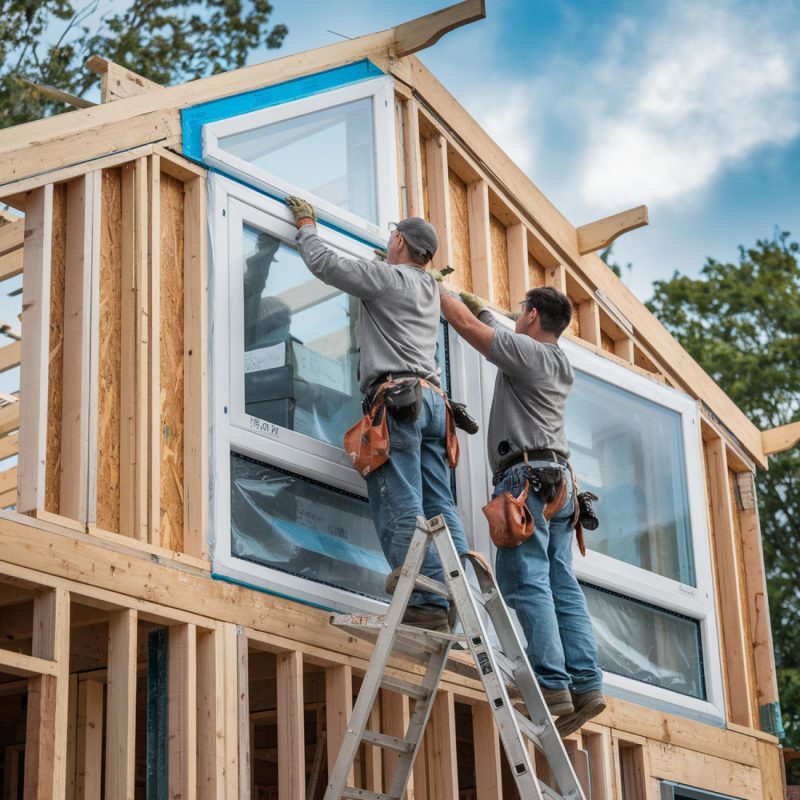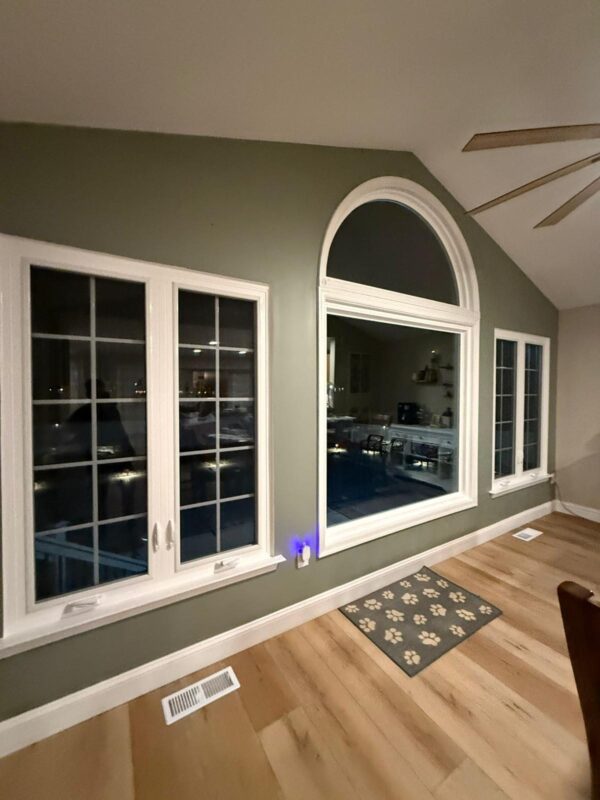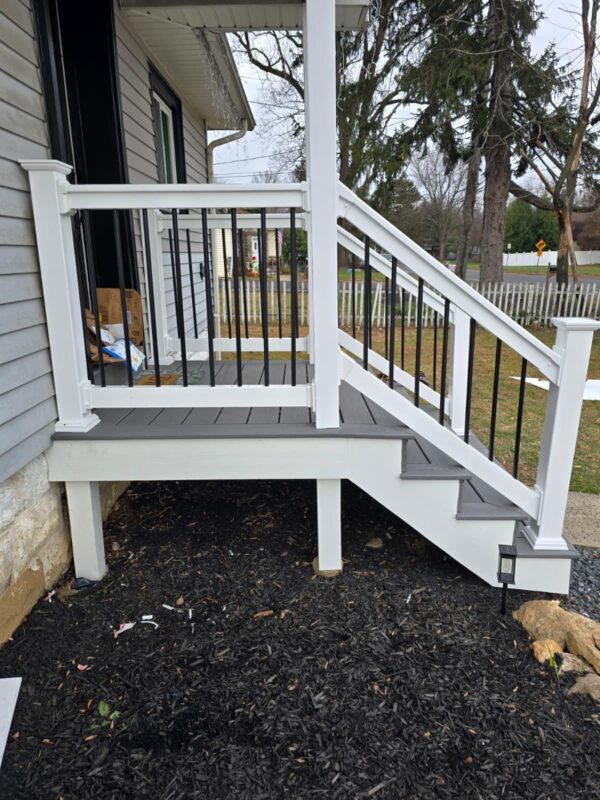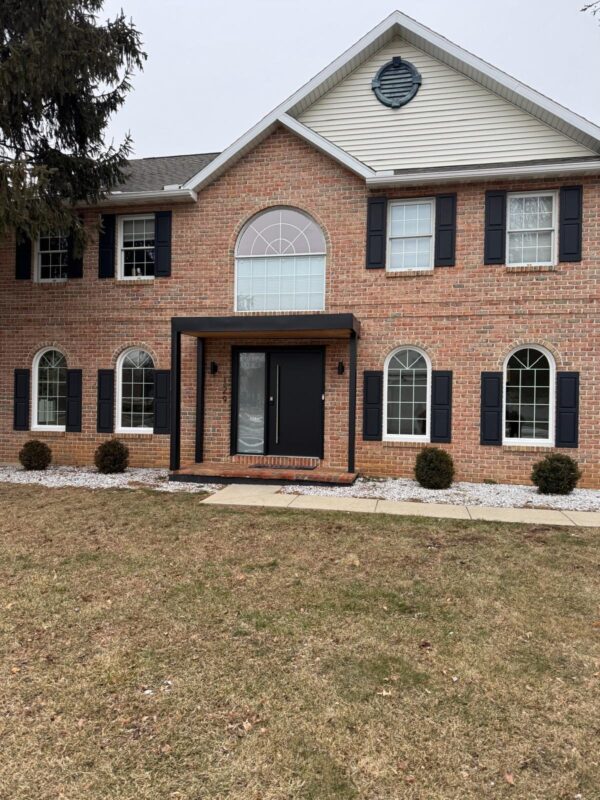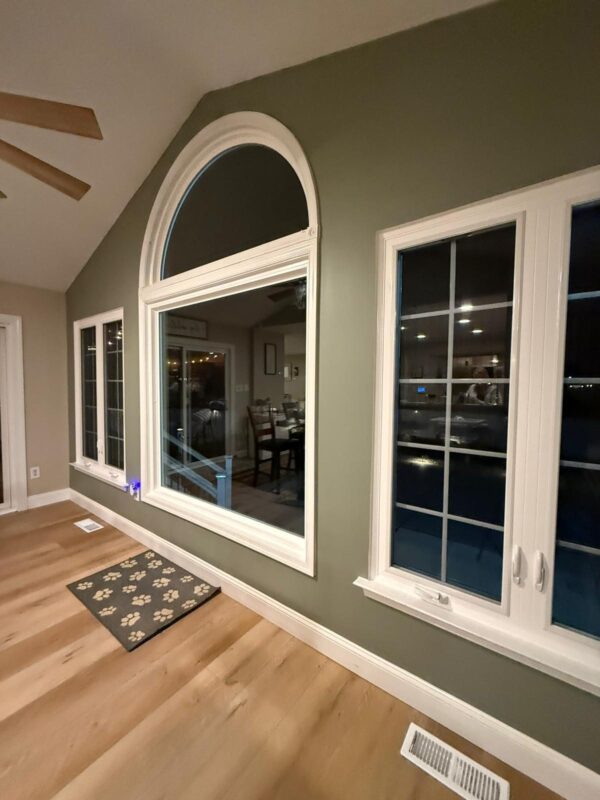
Homeowners planning siding renovation Tri State Area projects or window replacement PA NJ DE work face a critical scheduling decision: when to start. Weather patterns, material performance requirements, and contractor schedules shift dramatically across Pennsylvania, New Jersey, and Delaware’s four distinct seasons. Projects scheduled during optimal windows typically see fewer delays, better adhesion for caulks and sealants, and more predictable labor costs.
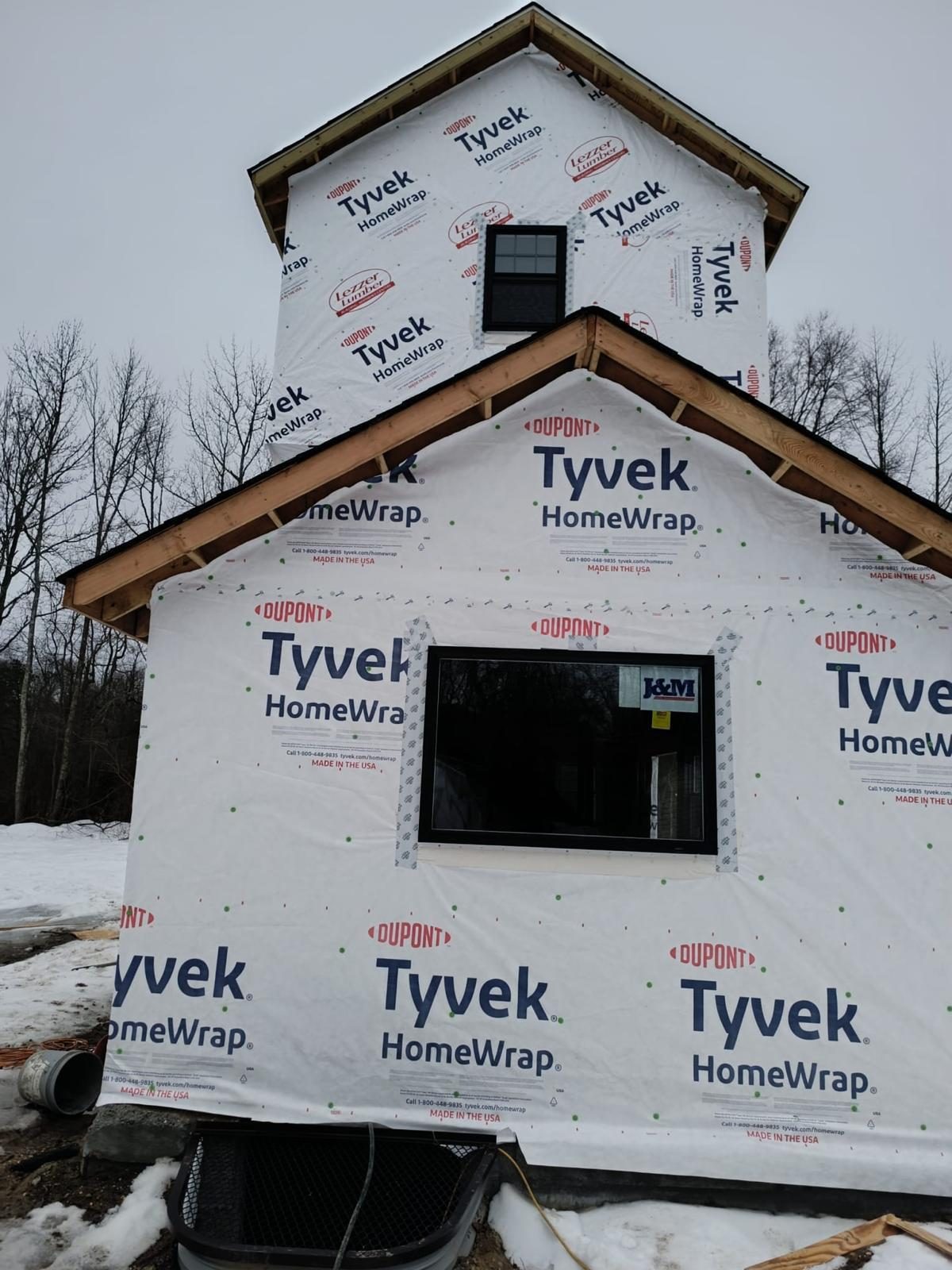
The Tri State Area’s climate presents specific challenges that vary by county and elevation. Bucks County and Mercer County homeowners encounter different freeze-thaw cycles than Philadelphia suburbs or New Castle County. For comprehensive planning across all exterior services, see our complete guide to exterior remodeling in the Tri State Area. This article examines each season’s advantages and limitations for windows, doors, siding, decks, sheds, and structural framing work.
Spring Remodeling Window: Mid-March Through May
Spring offers expanding daylight hours and warming temperatures that benefit most exterior remodeling season planning. Consistent temperatures above 50 degrees allow proper curing for construction adhesives, caulks, and deck stains used in Pennsylvania, New Jersey, and Delaware projects.
Temperature and Moisture Considerations
Mid-March through May sees daytime highs reach 55 to 75 degrees across the Tri State Area, with overnight lows gradually rising above freezing. This range supports installation of vinyl siding, which requires temperatures above 40 degrees to prevent brittleness during cutting and nailing. Fiber cement siding installations proceed smoothly when ambient temperatures stay above 50 degrees for proper paint adhesion.
Spring rain does interrupt exterior work schedules. April typically brings 10 to 12 rain days across Bucks County, Burlington County, and surrounding townships. Deck building Tri State Area projects may experience 3 to 5 weather delays per month during this period. Experienced contractors schedule spring projects with built-in buffer days to accommodate precipitation without pushing final inspections into summer vacation season.
Contractor Availability and Scheduling
Spring represents peak booking season for exterior contractors across Pennsylvania, New Jersey, and Delaware. Homeowners requesting estimates in February or early March secure better placement in April and May schedules. Late spring bookings (May requests for May starts) often push into June or July slots as contractor calendars fill.
Licensed contractors holding PA HIC, NJ HIC, and DE credentials manage multiple projects simultaneously during spring months. Single project manager oversight, like Santos Replacement provides, prevents scheduling conflicts that leave jobs partially completed when crews rotate to other sites.
Summer Installation Season: June Through August
Summer delivers the Tri State Area’s most predictable weather for exterior work. Extended daylight hours allow 10 to 12-hour workdays, and consistent heat accelerates curing times for sealants, adhesives, and deck finishes.
Heat Effects on Materials and Labor
June through August daytime temperatures regularly exceed 85 degrees in Langhorne, Yardley, Levittown, Newtown, and Bensalem. Vinyl siding becomes more pliable in heat, reducing breakage during installation but requiring careful nailing technique to prevent buckling when temperatures drop. Installers working in direct sun on south and west-facing walls need frequent hydration breaks, which can extend project timelines by 10 to 15 percent compared to spring installations.
Door replacement Tri State Area work benefits from summer conditions. Fiberglass and steel entry doors hang true when wood framing has fully dried from spring moisture. Weatherstripping compresses properly at higher temperatures, creating better seals that remain effective when cold weather returns.
Material Expansion and Installation Precision
All exterior materials expand in summer heat. Replacement windows require precise gap allowances, vinyl siding needs proper nail slot positioning, and deck boards demand correct spacing to prevent buckling during seasonal contraction. Experienced installers adjust installation techniques based on ambient temperature at time of work.
Composite decking installations, whether Trex, TimberTech, or similar products, perform best when installed at temperatures between 60 and 80 degrees. Mid-summer installations at 85-plus degrees require wider board spacing to accommodate contraction when fall arrives. Deck renovation projects that include board replacement must match spacing to existing installation, regardless of season.
Summer Project Tip: Schedule exterior work for early morning starts when temperatures are coolest. Materials remain closer to optimal installation temperature, and crews work more efficiently before afternoon heat peaks.
Fall Remodeling Advantages: September Through November
Fall rivals spring as the optimal exterior remodeling season across Pennsylvania, New Jersey, and Delaware. Moderate temperatures, lower humidity, and reduced precipitation create ideal conditions for most exterior installation work.
Temperature Stability and Material Performance
September through October temperatures range from 65 to 75 degrees during peak work hours, with lower humidity than summer months. These conditions optimize adhesive performance for window door siding installation Tri State Area projects. Caulks and sealants cure completely before overnight temperatures drop, preventing incomplete bonds that fail during winter freeze-thaw cycles.
Custom shed building projects benefit from fall scheduling. Foundation work, whether gravel pads, concrete blocks, or poured slabs, cures properly in moderate temperatures. Shed framing proceeds without heat-related delays, and exterior finishes applied in October have adequate cure time before winter weather arrives.
Late Fall Installation Limitations
November brings increasing weather uncertainty across the Tri State Area. Daytime highs drop into the 45 to 55 degree range, approaching minimum temperatures for proper installation of many exterior materials. Projects scheduled for November completion require flexible homeowner expectations, as cold snaps can halt work until temperatures recover.
Residential framing PA NJ DE work continues through November when protected from precipitation. Structural framing does not depend on adhesive curing or material pliability, allowing rough carpentry to proceed in cooler temperatures. However, sheathing and weather barrier installation require dry conditions that become less predictable in late fall.
Winter Project Realities: December Through February
Winter exterior remodeling across Pennsylvania, New Jersey, and Delaware faces significant limitations. Freezing temperatures prevent proper installation of most exterior materials, and snow cover blocks access to work areas for days or weeks at a time.
Material and Installation Restrictions
Vinyl siding manufacturers specify minimum installation temperatures of 40 degrees. Below this threshold, vinyl becomes brittle and prone to cracking during cutting and nailing. Fiber cement siding installations require temperatures above 40 degrees for proper paint adhesion and caulk performance. Most Tri State Area contractors pause siding work from December through February, resuming only during brief warm spells.
Window replacement work encounters similar limitations. While window units themselves tolerate cold temperatures, the sealants, insulating foams, and weatherstripping materials used during installation require temperatures above 40 degrees for proper adhesion and expansion. Emergency window replacements proceed year-round when existing units fail completely, but planned window replacement projects deliver better results when scheduled for spring through fall.
Interior Preparation and Planning Season
Winter months serve exterior remodeling projects best as planning and preparation time. Homeowners schedule in-home consultations, review material options, finalize contracts, and secure permits during December through February. This positions projects to begin promptly when March weather permits, avoiding the spring scheduling rush.
Licensed contractors holding PA HIC, NJ HIC, and DE credentials conduct winter estimates and design consultations. Santos Replacement Langhorne provides free in-home estimates year-round, allowing homeowners to lock in project pricing and spring schedule placement before peak season begins.
| Season | Temperature Range | Best Project Types | Key Limitations |
|---|---|---|---|
| Spring (Mar-May) | 50-75°F | All exterior services | Rain delays, high contractor demand |
| Summer (Jun-Aug) | 75-90°F | Decks, doors, framing | Heat affects labor pace, material expansion |
| Fall (Sep-Nov) | 55-75°F | All exterior services | Shortened days, November cold snaps |
| Winter (Dec-Feb) | 25-45°F | Planning and permits | Most installations impractical |
Project-Specific Seasonal Recommendations
Different exterior remodeling projects carry distinct seasonal advantages across the Tri State Area. Matching project type to optimal weather windows improves installation quality and reduces weather-related delays.
Window and Door Replacement Timing
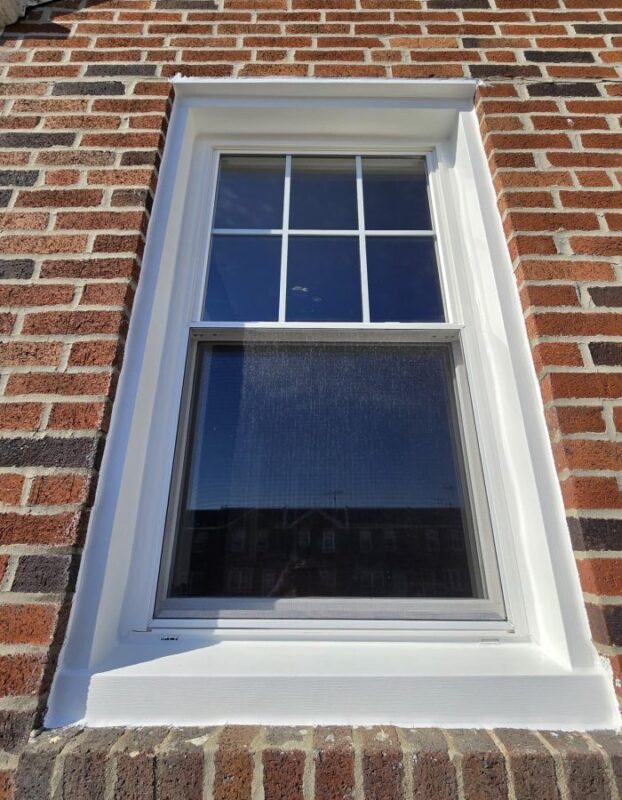
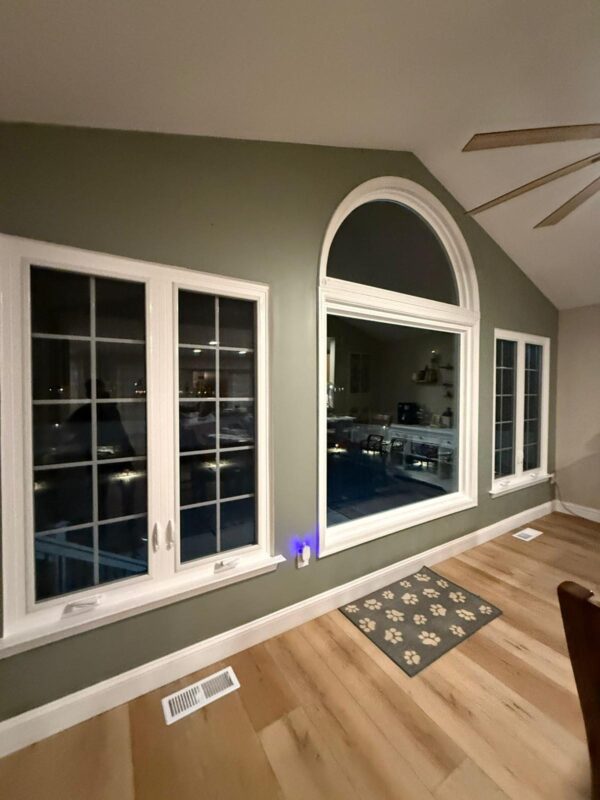
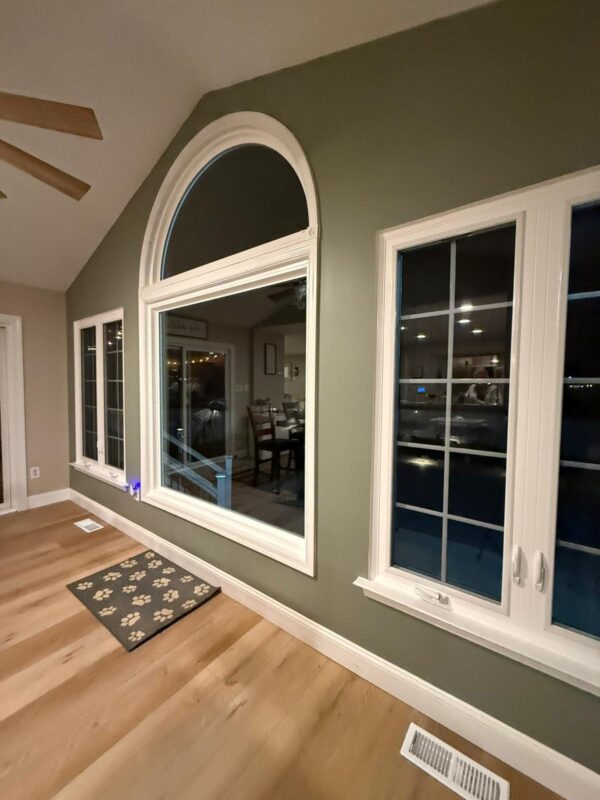
Window replacement Tri State Area projects proceed successfully from April through October. Spring and fall installations allow proper sealant curing before extreme temperatures arrive. Summer installations work well but require careful climate control inside the home, as open window rough openings during installation affect interior temperatures noticeably.
Entry door installation PA NJ DE work follows similar seasonal patterns. Exterior door replacement opens the home’s thermal envelope during installation, so moderate spring and fall temperatures minimize interior comfort disruption. Most door installations complete within one day, reducing weather exposure compared to multi-day siding or deck projects.
Siding Installation Season
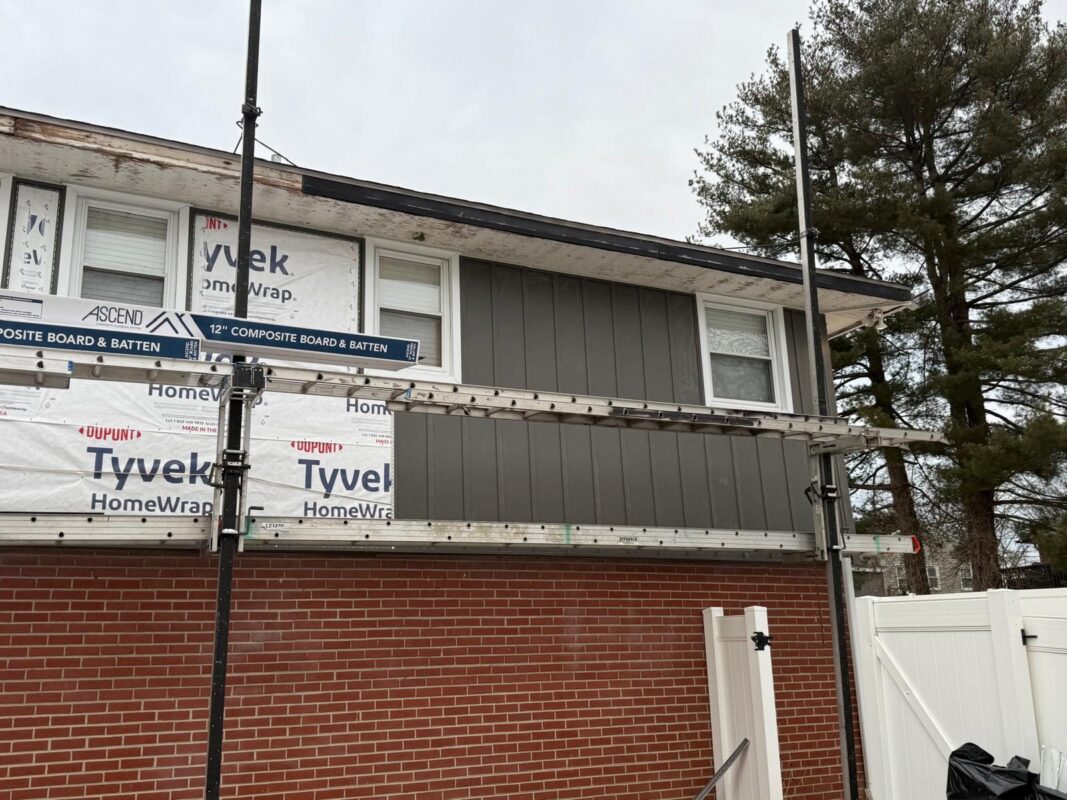
Siding replacement PA NJ DE projects perform best from mid-April through October across Pennsylvania, New Jersey, and Delaware. Spring installations allow full cure before summer heat, while fall installations cure completely before winter freeze-thaw cycles begin. Multi-week siding projects scheduled for August completion should start by mid-July to avoid running into September school schedules and fall weather variability.
Deck Construction and Renovation Calendar
Custom deck construction PA NJ DE spans the longest seasonal window of any exterior project. Structural framing work begins as early as March and continues through November when weather permits. Deck board installation, whether pressure-treated lumber, cedar, or composite materials, proceeds best from April through October when material moisture content stabilizes and temperatures support proper board spacing.
Deck refinishing projects require extended dry periods for proper stain or sealer application. Three consecutive dry days with temperatures between 50 and 85 degrees represent ideal conditions. Spring and fall offer the most reliable weather windows for deck finishing work across Bucks County, Burlington County, and Mercer County.
Structural Framing and Addition Work
Home framing contractor schedules run year-round for interior work but concentrate exterior framing from March through November. Structural repair PA NJ DE projects that open exterior walls to interior spaces require careful weather monitoring and temporary protection. Multi-day framing projects scheduled during settled weather patterns minimize moisture intrusion risk.
Permit and Inspection Seasonal Factors
Municipal building departments across Pennsylvania, New Jersey, and Delaware experience seasonal permit volume fluctuations that affect project timelines. Understanding these patterns helps homeowners schedule effectively.
Spring Permit Rush
Building departments in Langhorne, Yardley, Newtown, Bensalem, and surrounding townships process peak permit volumes from March through May. Homeowners and contractors rush to secure approvals for summer project starts. Permit processing times that average 7 to 10 business days in winter can extend to 15 to 20 business days during spring peak.
Projects requiring structural reviews, such as load bearing wall removal or second-story additions, face longer review periods. Submitting permit applications in January or February for spring starts bypasses peak volume delays.
Inspection Scheduling Considerations
Municipal inspectors manage heavier field schedules during peak construction season. Final inspection requests submitted in June or July may wait 5 to 7 business days for inspector availability, compared to 2 to 3 business days during winter months. This affects project closeout timing when homeowners need occupancy permits or final contractor payments.
Licensed contractors holding PA HIC, NJ HIC, and DE credentials maintain relationships with local building departments that streamline inspection scheduling. Contractors who regularly work across the Tri State Area understand each municipality’s seasonal patterns and build appropriate timeline buffers into project schedules.
Weather Pattern Variations Across Counties
The Tri State Area’s geography creates microclimates that affect optimal remodeling timing. Coastal New Jersey areas experience different conditions than inland Pennsylvania locations, and elevation changes across Bucks County introduce additional variability.
Pennsylvania Climate Considerations
Bucks County’s northern townships, including Newtown and Yardley, see earlier fall frosts than Philadelphia suburbs. This shifts the practical end of exterior remodeling season 1 to 2 weeks earlier in northern areas. Contractors working across multiple Pennsylvania counties adjust seasonal cutoff dates based on specific project location.
New Jersey and Delaware Patterns
Burlington County and Mercer County in New Jersey experience similar seasonal patterns to Bucks County Pennsylvania, with spring arriving slightly earlier due to lower elevation. New Castle County Delaware, particularly areas near the Delaware River, benefits from moderating water influence that extends fall working conditions 1 to 2 weeks compared to inland locations.
Contractors providing exterior installation PA NJ DE across multiple states track regional forecast variations and schedule accordingly. Multi-week projects may start in one state during optimal conditions and complete in another as seasonal windows shift.
Contractor Availability and Pricing Patterns
Exterior remodeling contractor schedules and pricing follow predictable seasonal patterns across the Tri State Area. Understanding these cycles helps homeowners optimize both project timing and budget.
Peak Season Scheduling
May through September represents peak season for exterior contractors in Pennsylvania, New Jersey, and Delaware. Established contractors book 4 to 8 weeks ahead during this period, with popular spring months filling by late February or early March. Homeowners who wait until April to request spring project starts typically reschedule to summer or fall slots.
Single project manager systems, where one person oversees each job from estimate through final inspection, limit how many concurrent projects a contractor accepts. This prevents the quality issues that occur when crews split time between multiple sites or work without direct supervision.
Off-Peak Advantages
Late fall projects (November) and early spring work (March) occasionally see reduced contractor demand as homeowners avoid shoulder-season weather uncertainty. Contractors with open schedule capacity may offer modest pricing flexibility during these periods, though material costs remain consistent year-round.
Winter months allow homeowners to review completed project portfolios, check contractor licensing (PA HIC, NJ HIC, DE), read recent reviews, and schedule multiple estimates without time pressure. This preparation positions spring projects to begin promptly when weather permits, maximizing the productive season.
Emergency Repairs vs. Planned Replacements
Weather-related damage creates exterior repair needs that cannot wait for optimal seasonal conditions. Understanding the difference between emergency work and planned remodeling helps homeowners set realistic expectations.
Winter Storm Damage Response
Severe winter storms across the Tri State Area occasionally cause immediate damage requiring emergency exterior repair. Broken windows, damaged doors, or compromised siding that exposes interior spaces to weather needs temporary protection followed by permanent repair as soon as conditions permit.
Licensed and insured contractors maintain emergency response protocols for weather-related damage. Temporary measures like board-up, tarp installation, or emergency glazing protect homes until temperatures allow proper permanent repairs. Most homeowners insurance policies cover emergency mitigation costs when weather events cause sudden damage.
Planned Replacement Timing
Exterior components showing age-related wear but still functioning adequately allow homeowners to schedule replacement during optimal seasonal windows. Planning energy efficient windows installation for April or May, rather than accepting emergency December replacement, improves installation quality and often reduces total project cost by avoiding premium emergency service rates.
Multi-Project Sequencing Strategy
Homeowners planning comprehensive exterior updates benefit from strategic project sequencing across multiple seasons. Proper ordering prevents redundant work and maximizes each investment.
Logical Service Order
Structural work precedes finish work in efficient remodeling sequences. New construction framing or framing repair should complete before window or door installation in those areas. Siding installation follows window and door replacement to ensure proper flashing and weatherproofing integration.
Homeowners replacing multiple exterior components often schedule structural and rough work for spring, window and door installation for early summer, and siding completion for late summer or fall. This sequence allows each trade to work without interfering with previous installations and spreads project costs across 6 to 8 months.
Coordinated Multi-Service Benefits
Multi service installer contractors who provide windows, doors, and siding eliminate coordination challenges between separate companies. Single-source responsibility ensures proper flashing integration, matching trim details, and warranty coverage that spans all exterior components. Projects completed by one contractor under unified oversight typically finish faster and with fewer punch-list items than jobs requiring three separate companies.
Making Your Seasonal Decision
Selecting the optimal exterior remodeling season across Pennsylvania, New Jersey, and Delaware depends on multiple factors specific to each project and homeowner situation. Climate patterns, contractor availability, permit timelines, and personal schedules all influence timing decisions.
Most Tri State Area exterior projects achieve best results when scheduled between April and October. Spring and fall offer moderate temperatures and lower humidity that optimize material performance and installation quality. Summer provides predictable weather and extended work hours but requires heat-related adjustments for both materials and labor. Winter serves as planning season, positioning projects to begin promptly when favorable conditions return.
Homeowners planning exterior work benefit from early consultation with licensed contractors holding PA HIC, NJ HIC, and DE credentials. Winter and early spring estimates secure preferred seasonal scheduling, allow thorough material selection, and provide time for permit approvals before construction begins. Santos Replacement provides free in-home estimates year-round across the Tri State Area, helping homeowners plan projects that align with optimal seasonal conditions.
Understanding seasonal advantages and limitations for window replacement, door replacement, siding installation, deck construction, shed building, and structural framing creates realistic expectations and positions projects for successful completion. Strategic timing improves installation quality, reduces weather delays, and maximizes the value of exterior remodeling investments across Bucks County, Burlington County, Mercer County, New Castle County, and surrounding areas.
Ready to plan your exterior remodeling project for the optimal season? Contact Santos Replacement for a free estimate and seasonal scheduling consultation. Our team works across Pennsylvania, New Jersey, and Delaware, providing licensed and insured exterior remodeling services with single project manager oversight from initial estimate through final inspection.
Frequently Asked Questions
Can vinyl siding be installed in winter across the Tri State Area?
Vinyl siding installation requires ambient temperatures above 40 degrees Fahrenheit for proper handling and nailing. Below this threshold, vinyl becomes brittle and prone to cracking during cutting and installation. Most Pennsylvania, New Jersey, and Delaware contractors pause vinyl siding work from December through February, resuming during warm spells or waiting for consistent spring temperatures. Fiber cement siding faces similar limitations, as paint adhesion and caulk performance suffer below 40 degrees. Winter siding installations occasionally proceed during extended mild periods but carry higher risk of installation defects compared to spring through fall work.
What is the latest in fall I can schedule deck construction in Pennsylvania?
Deck framing work across Pennsylvania, including Bucks County and surrounding areas, continues through November when weather permits. However, deck board installation and finishing work should complete by late October to ensure proper material acclimation and finish curing before winter weather arrives. Composite decking installations perform best when ambient temperatures stay between 60 and 80 degrees, conditions that become inconsistent after early November. Projects scheduled for late fall completion should start by September to allow buffer time for weather delays. Structural framing alone can proceed later in season, with board installation postponed to the following spring.
Do contractors charge more for projects during peak season?
Most licensed exterior remodeling contractors in Pennsylvania, New Jersey, and Delaware maintain consistent pricing year-round, with material costs and labor rates remaining stable across seasons. However, peak season (May through September) brings higher contractor demand, which can reduce scheduling flexibility and eliminate negotiation leverage homeowners might find during slower periods. Off-peak scheduling in March, April, or October occasionally provides modest pricing advantages when contractors have schedule openings to fill. Emergency repairs during winter may carry premium rates due to challenging working conditions and scheduling disruption. The primary advantage of off-peak scheduling involves improved contractor availability rather than significantly lower pricing.
How far in advance should I schedule spring exterior remodeling?
Homeowners planning spring exterior work across the Tri State Area should contact contractors in January or February for April and May project starts. Established contractors with strong reputations book spring schedules 8 to 12 weeks ahead during peak years. This advance planning allows time for in-home estimates, material selection, permit applications, and procurement without rushing decisions. Projects requiring structural engineering review or complex permit approvals need additional lead time. Late winter scheduling also secures preferred contractor availability before peak season fills completely, and provides flexibility if permit processing extends longer than typical timelines.
Can window replacement happen during summer heat waves?
Window replacement work proceeds successfully during summer across Pennsylvania, New Jersey, and Delaware, including during heat waves. Modern replacement windows and installation materials tolerate high temperatures well, and sealants cure properly in heat. The primary consideration involves interior comfort during installation, as open window rough openings temporarily compromise the home’s thermal envelope. Most residential window replacements complete within one day per opening, minimizing interior temperature disruption. Homeowners should plan to keep unused rooms closed during installation and may want to schedule work on milder summer days if available. Professional installers adjust techniques for summer conditions, ensuring proper window performance regardless of installation temperature.