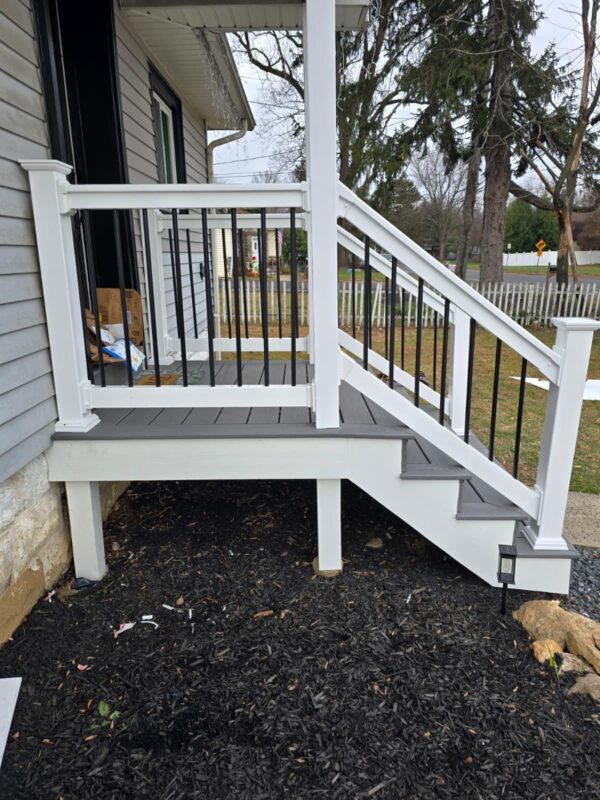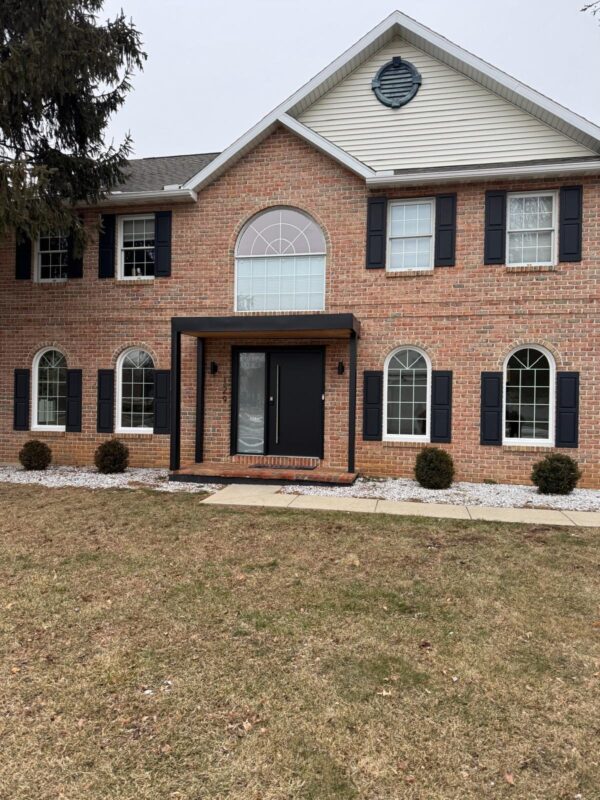
Exterior remodeling projects across Pennsylvania, New Jersey, and Delaware share many common elements, but each state brings distinct building code requirements, permit processes, and regional climate considerations. Homeowners in Bucks County, Philadelphia suburbs, Mercer County, Burlington County, and New Castle County face unique challenges depending on their exact location, yet all benefit from understanding how Tri State Area weather patterns, licensing standards, and material availability shape successful exterior renovation outcomes.
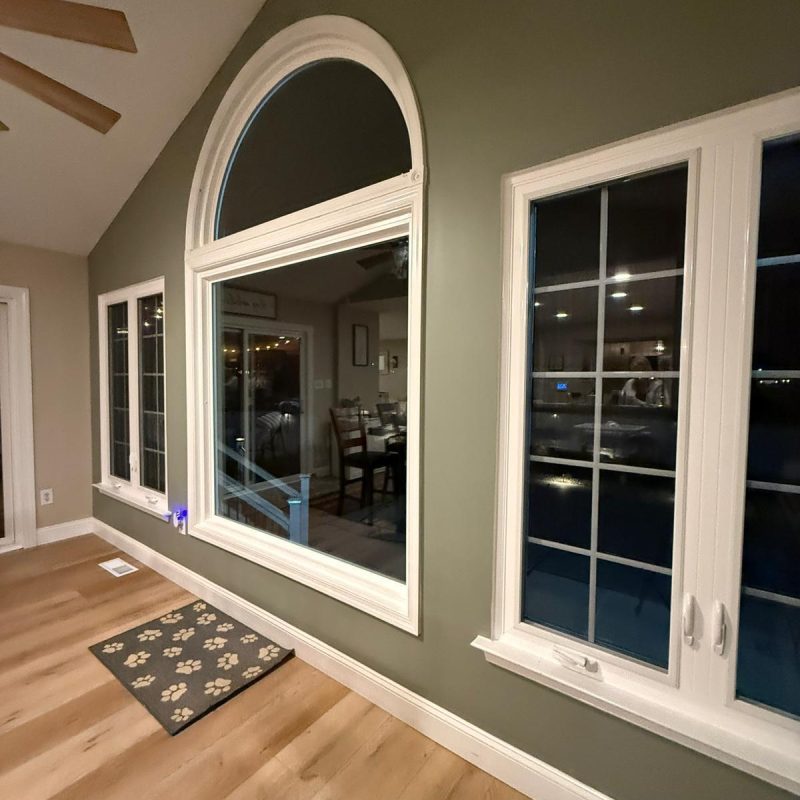
This guide covers the full scope of exterior remodeling in the Tri State Area, from initial planning through project completion. Whether you’re considering a single upgrade or coordinating multiple exterior services, the following sections provide the framework for informed decision making.
Understanding Exterior Remodeling Scope Across Three States
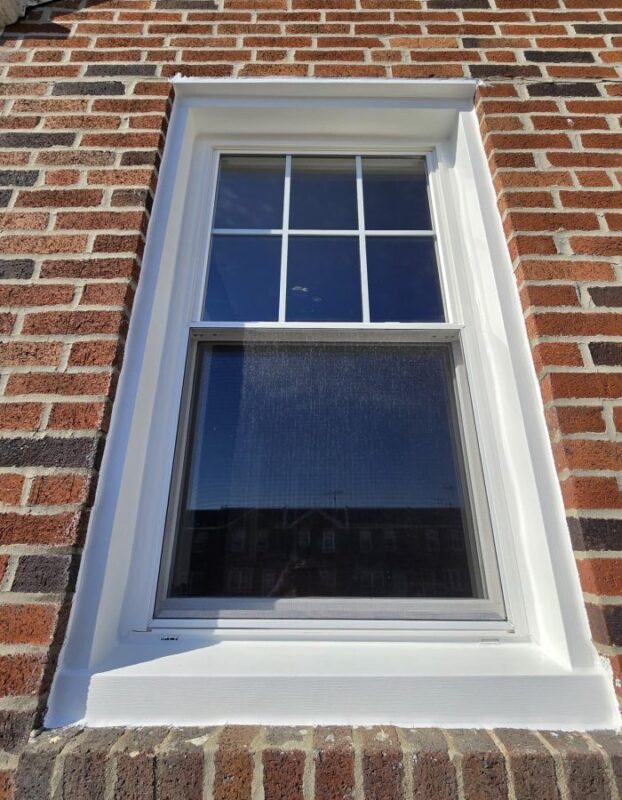
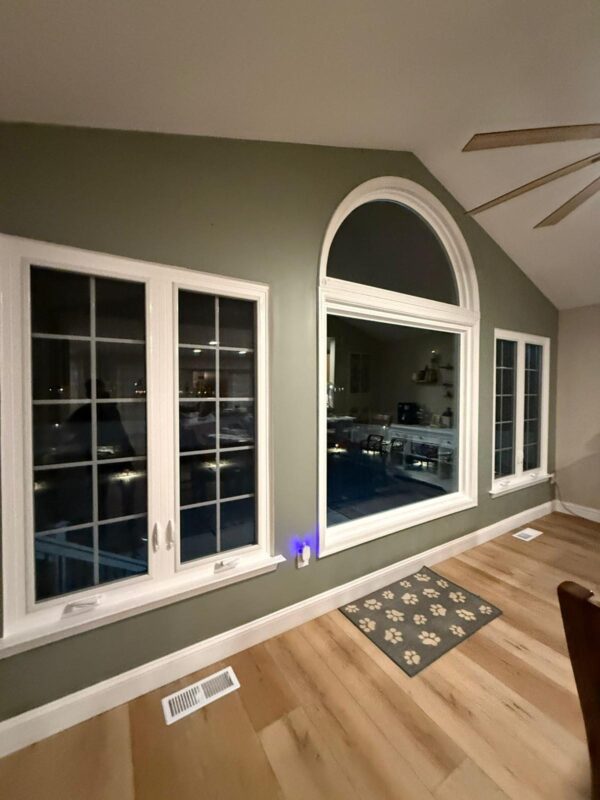
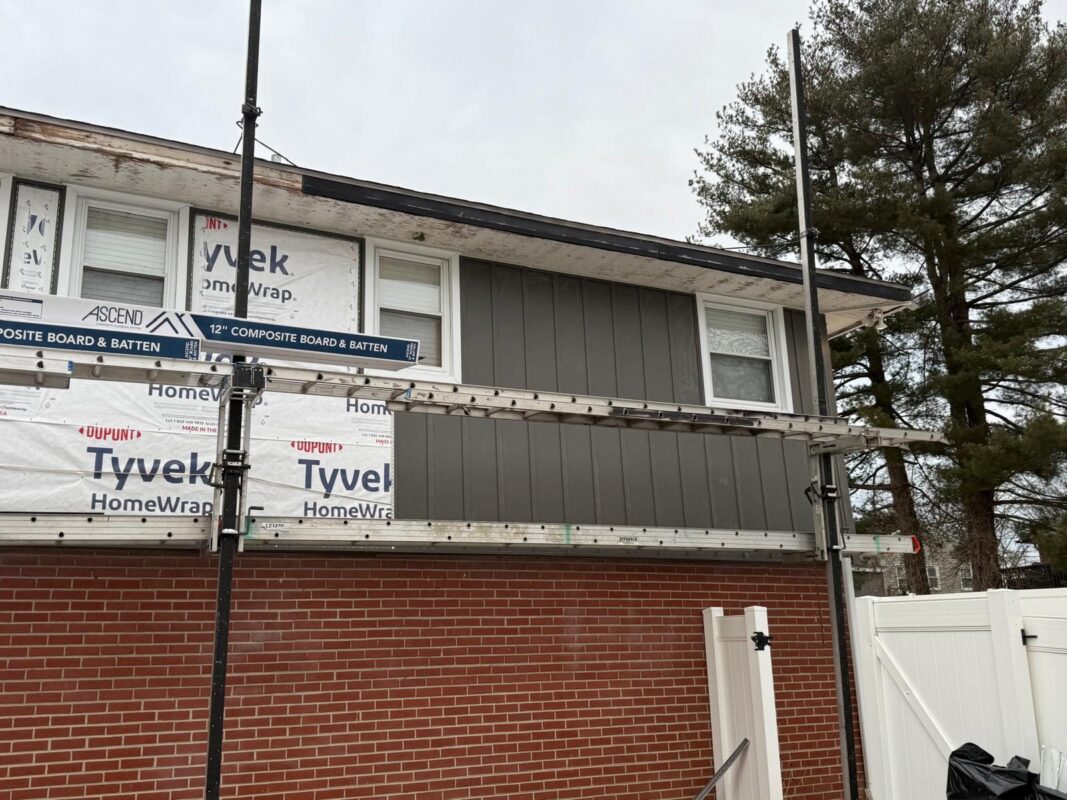
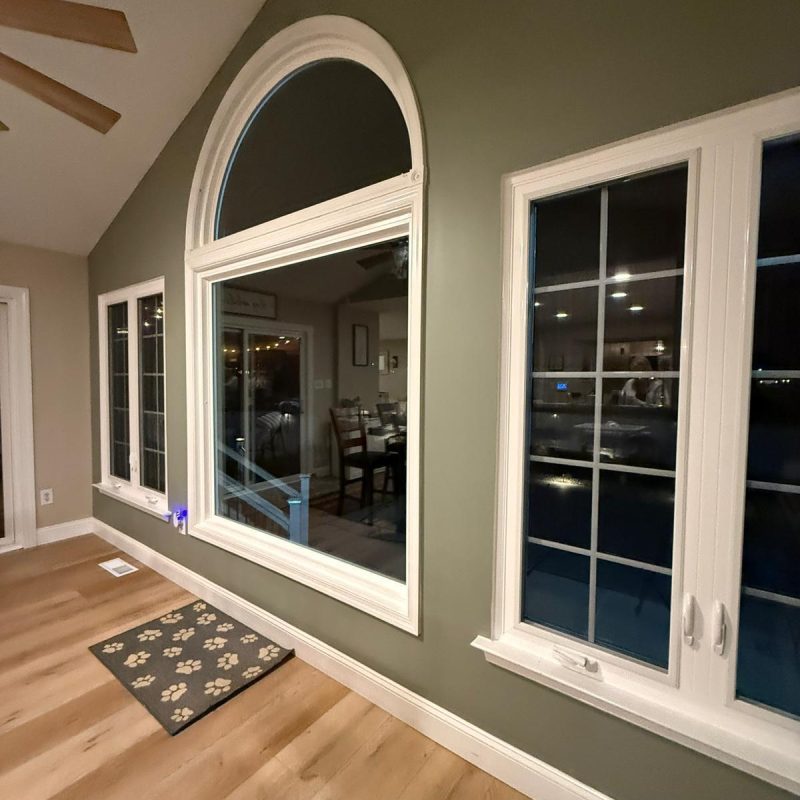
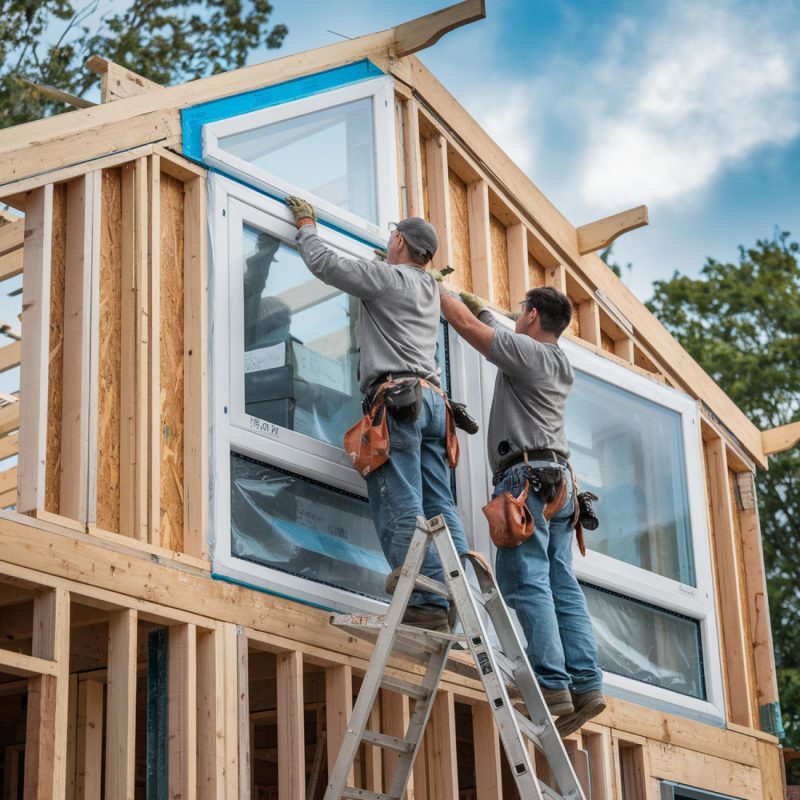
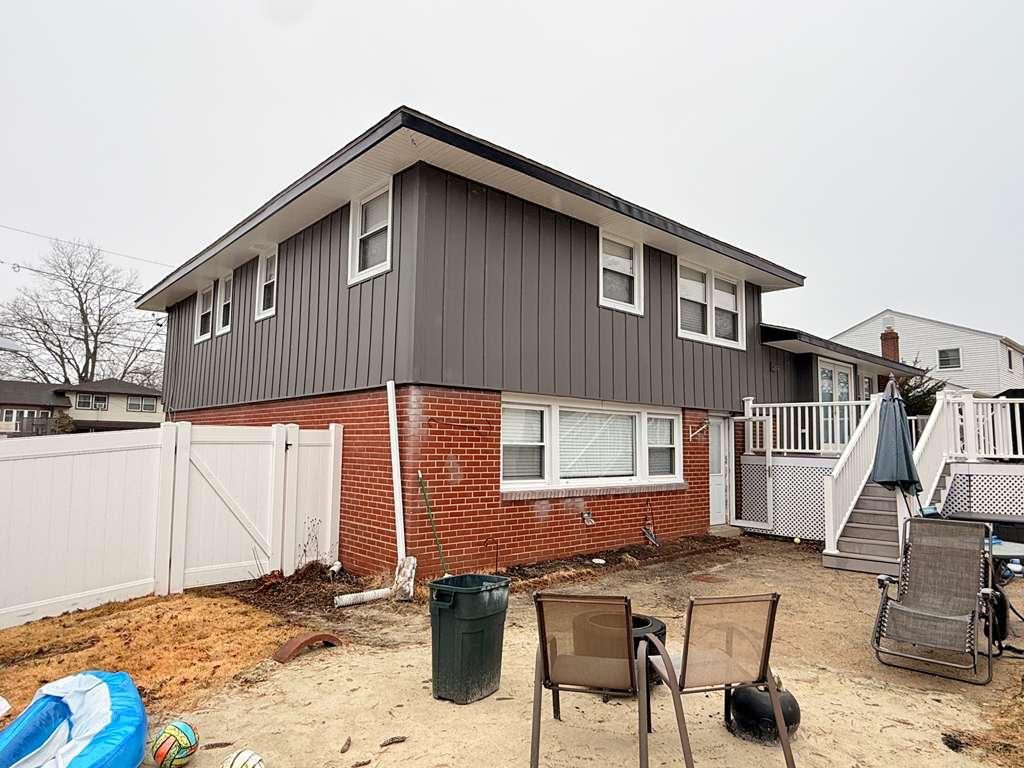
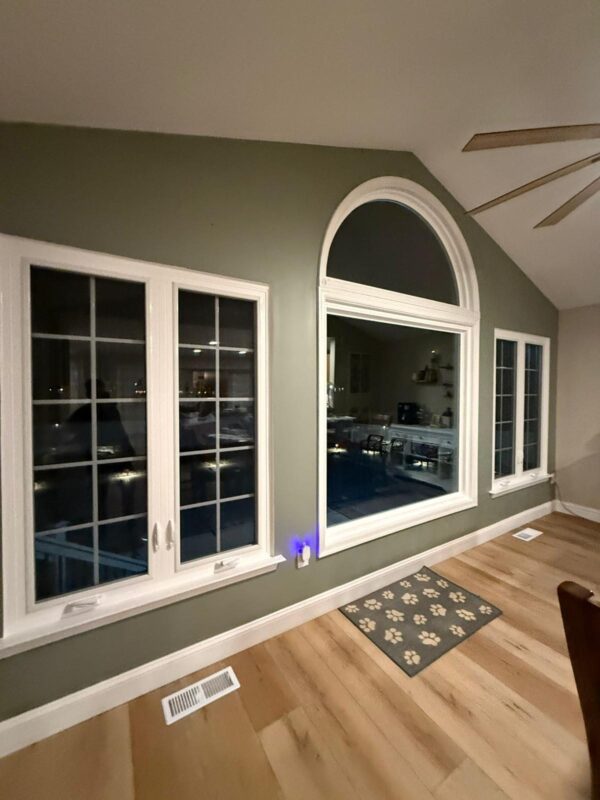
Exterior remodeling encompasses any structural or aesthetic improvement to the outside envelope of your home. Common projects include window replacement Tri State Area installations, door replacement Tri State Area work, siding renovation Tri State Area jobs, deck building Tri State Area construction, custom shed building Tri State Area projects, and framing building Tri State Area services for additions or structural modifications.
Each state within the Tri State Area maintains its own contractor licensing system. Pennsylvania requires Home Improvement Contractors (HIC) to register with the state Attorney General’s office. New Jersey mandates Home Improvement Contractor licenses through the Division of Consumer Affairs. Delaware requires contractors to hold appropriate licenses through the Division of Professional Regulation. When selecting a contractor, verify they hold active licenses in every state where they operate.
Regional Climate Considerations
The Tri State Area experiences four distinct seasons with hot, humid summers and cold winters that include snow, ice, and freeze-thaw cycles. These weather patterns directly impact material selection and project timing. Vinyl siding expands and contracts with temperature changes, requiring proper installation techniques to prevent buckling or pulling away from the home. Wood decking weathers quickly without proper sealing and maintenance. Windows and doors must withstand both summer heat gain and winter heat loss while resisting moisture infiltration during spring storms.
Freeze-thaw cycles present particular challenges across Pennsylvania, New Jersey, and Delaware. Water penetrates small gaps in exterior materials, freezes overnight, expands, and gradually widens those gaps. This cycle damages siding corners, window frames, door thresholds, deck boards, and shed foundations. Proper flashing installation, caulking maintenance, and material selection all play roles in preventing freeze-thaw damage.
Planning Your Exterior Remodeling Project
Successful exterior remodeling begins with clear priorities. Most homeowners balance aesthetic goals with functional needs and budget constraints. Start by identifying which exterior elements currently cause problems: drafty windows, rotting door frames, cracked siding, unsafe deck railings, or inadequate storage space.
Single Service vs. Multi-Service Projects
Homeowners often face a choice between addressing one exterior element at a time or coordinating multiple services together. Single-service projects offer simpler planning and smaller immediate investment. Window door siding installation Tri State Area packages that combine services deliver better long-term value through coordinated color palettes, reduced labor setup costs, and integrated flashing details where different materials meet.
Coordinating multiple exterior services requires more upfront planning but prevents the need to disturb recently completed work. When new siding wraps around freshly installed windows, the contractor can integrate flashing layers properly the first time. When new doors match new siding colors from the start, the home presents a cohesive appearance. Multi-service projects typically require longer scheduling windows but eliminate repeated mobilization fees.
Permit Requirements Across State Lines
Building permit requirements vary by municipality even within the same state. Most window and door replacements that maintain existing opening sizes proceed as like-for-like replacements without permits in many Tri State Area townships. Structural changes, opening enlargements, and new construction always require permits. Deck projects typically need permits in all three states when the deck stands above a certain height threshold or attaches to the home. Shed permits depend on structure size, foundation type, and setback distances from property lines.
Before starting any exterior remodeling work, contact your local building department to verify permit requirements. Pennsylvania homeowners should check with their township or borough office. New Jersey homeowners work with their municipal construction official. Delaware homeowners coordinate with county or municipal building departments depending on location. Permit costs represent a small fraction of total project expenses but skipping required permits creates liability issues and complications during future home sales.
Selecting Materials for Tri State Area Conditions
Material performance varies significantly based on regional climate exposure. The humid summers, cold winters, and frequent precipitation across Pennsylvania, New Jersey, and Delaware eliminate some material choices while favoring others.
Siding Material Comparisons
Vinyl siding dominates residential exterior remodeling across the Tri State Area due to its balance of performance, appearance, and value. Modern vinyl formulations resist fading, withstand impact, and maintain color for decades. Proper installation allows for thermal expansion while preventing moisture intrusion. Fiber cement siding offers superior durability and fire resistance but requires periodic repainting and weighs significantly more than vinyl, increasing installation labor.
Wood siding delivers unmatched natural beauty but demands consistent maintenance throughout Tri State Area weather cycles. Cedar and redwood contain natural preservatives that resist rot better than other wood species, yet even these premium materials require regular staining or painting. Most homeowners choose vinyl or fiber cement to minimize ongoing maintenance requirements.
Window Performance Factors
Replacement windows across the Tri State Area should meet ENERGY STAR criteria for the Northern climate zone, which covers all of Pennsylvania, New Jersey, and Delaware. Key performance metrics include U-factor (measuring heat loss), Solar Heat Gain Coefficient (measuring heat gain), and air leakage rates. Double-pane windows with low-E coatings provide baseline performance. Triple-pane windows offer incremental improvements at higher cost.
Vinyl window frames dominate the residential market due to durability and thermal performance. Fiberglass frames offer slightly better structural strength and can be painted if desired. Aluminum-clad wood windows combine wood interior aesthetics with durable exterior aluminum protection but carry premium pricing. Most Tri State Area homeowners select vinyl windows that balance performance with practical investment levels.
Decking Material Choices
Pressure-treated lumber remains the most economical decking material across Pennsylvania, New Jersey, and Delaware. Modern pressure treatment formulas resist rot and insect damage effectively when properly maintained. Wood decking requires annual cleaning and periodic staining or sealing to prevent weathering, warping, and splinter formation.
Composite decking eliminates most maintenance requirements through engineered combinations of wood fiber and plastic. These materials resist fading, staining, scratching, and mold growth while eliminating the need for staining or sealing. Composite decking costs substantially more than pressure-treated wood initially but reduces lifetime maintenance expenses. Cedar decking offers natural beauty and pleasant aroma but weathers to gray without regular sealing and costs more than pressure-treated options.
Door Material Durability
Steel entry doors provide excellent security, energy efficiency, and durability at moderate cost. Factory finishes resist chipping and fading while insulated cores reduce heat transfer. Fiberglass doors offer similar performance with the added benefit of mimicking wood grain textures without requiring paint maintenance. Wood doors deliver authentic appearance but demand regular refinishing to prevent moisture damage, making them less practical for exposed entries across Tri State Area weather conditions.
Working With Licensed Contractors
Contractor selection represents one of the most important decisions in any exterior remodeling project. The Tri State Area contractor landscape includes experienced professionals alongside less qualified operators. Homeowners protect themselves by verifying credentials, checking references, and understanding contract terms before work begins.
Verifying Licenses and Insurance
Every contractor performing exterior remodeling work in Pennsylvania, New Jersey, or Delaware should hold appropriate state licenses. Pennsylvania contractors must register with the Attorney General’s Home Improvement Consumer Protection program. New Jersey contractors need Home Improvement Contractor licenses from the Division of Consumer Affairs. Delaware contractors require state contractor licenses through the Division of Professional Regulation.
Liability insurance and workers’ compensation coverage protect homeowners from financial risk if accidents occur during construction. Request certificates of insurance directly from the contractor’s insurance provider rather than accepting copies that might be outdated. General liability coverage should meet minimum thresholds that protect the property value. Workers’ compensation insurance should cover all individuals working on site, preventing homeowner liability if crew members suffer injuries.
Understanding Project Management Approaches
Contractors structure project management in different ways. Some companies assign separate sales representatives, project managers, and installation crews, requiring homeowners to coordinate with multiple contacts. Other contractors provide single-point project management where one individual handles the project from initial estimate through final inspection. Single project manager structures reduce miscommunication and provide consistent oversight throughout the work.
Clear communication channels matter throughout exterior remodeling projects. Establish how you’ll receive updates, who to contact with questions, and how change orders are documented. The best contractors provide written communication for all project changes, updated timelines, and cost adjustments, creating clear records that protect both parties.
Coordinating Multiple Exterior Services
Whole-home exterior transformations that combine windows, doors, siding, decks, and other elements require careful sequencing. The order of operations affects both final quality and project efficiency.
Typical Project Sequencing
Most comprehensive exterior remodeling projects follow a logical sequence that moves from structural work through finish details. Framing modifications and structural repairs come first, establishing proper openings and support structures. Window and door installations follow, allowing proper integration with structural openings. Siding installation wraps around windows and doors, with flashing details that channel water away from openings. Deck construction and shed installation can proceed independently or integrate with siding work depending on attachment details.
This sequencing prevents the need to disturb completed work. Installing siding before windows requires cutting siding back after window installation. Installing windows before addressing rotted framing leaves new windows sitting in compromised openings. Professional contractors plan the work sequence to minimize rework while maintaining quality at each phase.
Color and Style Coordination
Aesthetic cohesion across multiple exterior elements creates better curb appeal outcomes than selecting each component independently. Siding color establishes the primary exterior palette. Window frame colors either match siding for a monochromatic appearance or contrast for architectural definition. Entry door colors can coordinate with siding, provide accent color, or match trim elements. Deck stain or composite colors should complement rather than clash with siding tones.
Most homeowners benefit from selecting all exterior colors during the planning phase rather than adding elements piecemeal over time. This approach ensures availability of matching materials and prevents the frustration of discovering your preferred window color doesn’t coordinate with existing siding. Contractors experienced in multi-service projects guide color coordination based on proven combinations that work across Tri State Area architectural styles.
Maximizing Return on Exterior Remodeling Investment
Exterior remodeling projects affect both immediate home enjoyment and long-term property value. Understanding which improvements deliver the strongest returns helps prioritize spending when budget constraints limit scope.
Projects That Improve Home Value
Replacement windows, entry door upgrades, and siding renovation consistently rank among exterior improvements with strong value recovery during home sales. Buyers across Pennsylvania, New Jersey, and Delaware prioritize homes with updated exteriors that won’t require immediate maintenance. New windows signal energy efficiency and eliminate concerns about drafts or moisture infiltration. Fresh siding creates strong curb appeal while indicating the home has been well maintained. Updated entry doors enhance security and aesthetics simultaneously.
Deck additions expand usable living space and appeal strongly to buyers seeking outdoor entertainment areas. Custom sheds add storage capacity that resonates with buyers facing garage space limitations. While neither decks nor sheds typically return full construction cost during immediate resale, both increase buyer interest and can justify higher asking prices in competitive markets.
Energy Efficiency Improvements
Exterior remodeling projects that reduce heating and cooling costs provide ongoing value beyond resale considerations. Replacement windows with low-E coatings and proper installation significantly reduce heat transfer compared to older single-pane or poorly sealed units. New entry doors with insulated cores and proper weatherstripping eliminate drafts that force heating systems to work harder. Proper siding installation with adequate insulation backing creates a thermal barrier that improves whole-house energy performance.
The magnitude of energy savings varies based on the condition of existing materials and the performance specifications of new materials. Homes with original single-pane windows from the 1960s or 1970s see substantial improvements when upgrading to modern double-pane low-E units. Homes with builder-grade windows from the 1990s see smaller incremental improvements. Most Tri State Area homeowners can expect noticeable comfort improvements and moderate utility cost reductions rather than dramatic percentage savings.
Maintaining Your Exterior After Remodeling
Even low-maintenance exterior materials benefit from periodic attention. Establishing simple maintenance routines extends material lifespan and preserves appearance between major renovation cycles.
Seasonal Maintenance Tasks
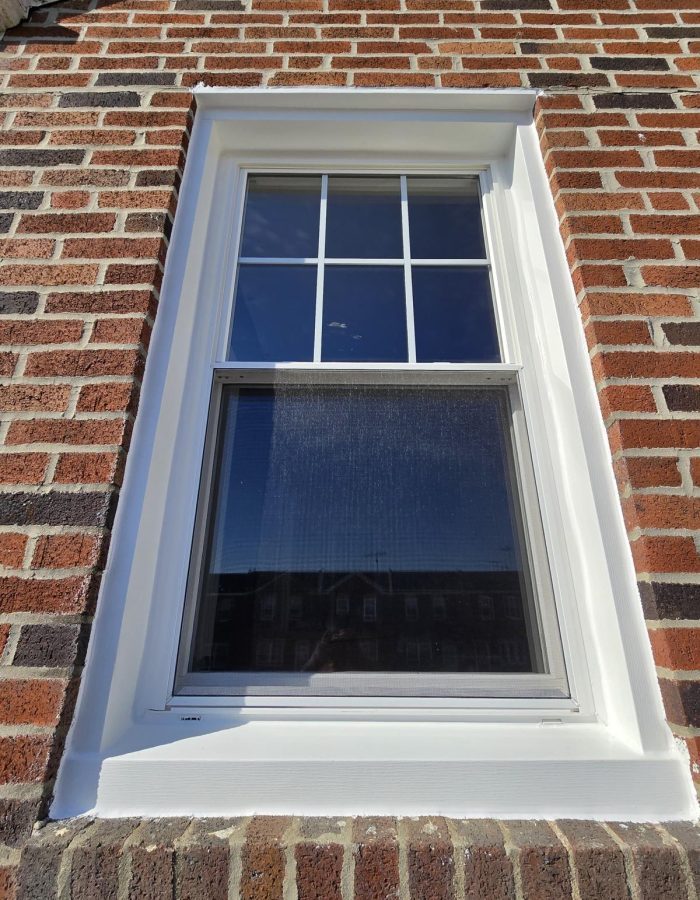
Spring inspection routines should include checking caulking around windows and doors, examining siding for cracks or loose panels, inspecting deck boards for splinters or rot, and verifying shed door operation. Address small issues immediately rather than allowing them to expand through another Tri State Area weather cycle. Re-caulk any gaps where old caulk has pulled away. Tighten loose siding panels before wind works them further free. Replace damaged deck boards individually rather than waiting for widespread deterioration.
Fall preparation focuses on preventing winter damage. Clean gutters thoroughly to prevent ice dam formation that backs water under siding. Trim tree branches away from siding and roof edges where they might scrape during winter winds. Apply deck sealer if wood decking shows signs of moisture absorption. Check weatherstripping around doors and add fresh material where gaps appear. These simple steps prevent the most common forms of winter exterior damage across Pennsylvania, New Jersey, and Delaware.
When to Schedule Professional Inspections
Most exterior materials perform reliably for years without professional attention, but periodic inspections catch developing problems early. Schedule professional deck inspections every few years to verify structural integrity of support posts, beams, and ledger board attachments. Request siding inspections if you notice individual panels loosening or if interior wall moisture suggests exterior water infiltration. Have window and door installations inspected if you feel drafts or notice condensation between glass panes, indicating seal failure.
Licensed insured contractors across the Tri State Area typically offer inspection services that identify developing problems before they require major repairs. Early intervention almost always costs less than addressing advanced deterioration. The inspection investment provides peace of mind and often prevents expensive emergency repairs during inconvenient timing.
Common Exterior Problems to Address Before Spring
Winter weather across Pennsylvania, New Jersey, and Delaware reveals exterior vulnerabilities that benefit from attention before spring moisture arrives. Ice dam formation indicates insufficient attic insulation or ventilation, allowing heat to escape through the roof and melt snow that refreezes at cold eaves. Water backing up behind ice dams infiltrates under shingles and can reach exterior walls, damaging siding and interior finishes. Addressing insulation and ventilation prevents ice dam formation in subsequent winters.
Wood rot around window and door frames develops gradually but accelerates once established. Winter moisture from condensation or exterior infiltration feeds fungal growth in vulnerable wood. Spring inspection should include checking all wood trim, sills, and threshold areas for soft spots indicating rot. Early detection allows targeted repairs or replacement of affected sections before rot spreads to structural framing members.
Deck structural issues often become apparent after winter freeze-thaw cycles stress connections. Check ledger board attachments where decks connect to homes, verifying bolts remain tight and flashing prevents moisture intrusion behind siding. Inspect deck post bases where they meet concrete footings or ground contact, looking for rot in wood posts or rust in metal post brackets. Verify railing systems remain solidly attached with no loose balusters or wobbly handrails. These structural elements affect safety directly and warrant immediate attention when problems appear.
Understanding Regional Building Code Variations
While the International Residential Code provides baseline standards across much of the United States, local jurisdictions within Pennsylvania, New Jersey, and Delaware adopt and modify these standards to address regional concerns. Some municipalities require additional snow load calculations for deck structures. Certain coastal areas mandate enhanced wind resistance specifications for siding attachment. Urban jurisdictions often enforce stricter fire separation requirements between homes than suburban or rural areas.
Frost depth requirements affect foundation and footing specifications for decks, sheds, and addition foundations. Pennsylvania generally requires footings below 36 inches depth. New Jersey frost depth requirements typically specify 36 to 42 inches depending on location. Delaware footings generally extend to 30 to 36 inches. These depths ensure support structures rest on undisturbed soil below the level where winter freezing and spring thawing cause ground movement.
Flashing and moisture management details vary between jurisdictions based on local experience with water intrusion problems. Some townships require specific flashing materials or installation sequences around windows and doors. Others mandate particular siding underlayment products or installation methods. Working with contractors familiar with your specific municipality’s requirements ensures projects meet local standards without requiring corrections during inspections.
Project Timeline Expectations
Realistic timeline expectations prevent frustration during exterior remodeling projects. The best season for exterior work across the Tri State Area runs from late spring through early fall when temperatures support proper material installation and curing. Summer months offer the most scheduling flexibility but also create the longest contractor backlogs as all homeowners compete for the same favorable weather windows.
Typical Project Durations
Window replacement projects typically require one to three days for average homes, depending on the number of units and accessibility challenges. Door replacement often completes in a single day per door. Full home siding renovation takes one to two weeks for typical single-family homes, with larger homes or complex architectural details extending timelines. Deck construction ranges from one week for simple ground-level designs to three weeks for multi-level structures with integrated features.
These durations assume favorable weather, proper material delivery, and no hidden structural problems discovered during demolition. Weather delays affect all exterior projects since most materials require dry conditions for proper installation. Rain postpones work until surfaces dry. Extreme heat or cold prevents proper caulking and sealant curing. Professional contractors build buffer time into schedules to accommodate typical weather interruptions without creating unrealistic completion promises.
Planning Around Weather Variables
Tri State Area weather patterns create natural scheduling considerations. Spring brings frequent rain that disrupts exterior work schedules. Summer heat and humidity affect worker productivity and material handling but generally allow consistent progress. Fall provides ideal temperature conditions but shortens as winter approaches. Winter severely limits exterior remodeling options, with cold temperatures preventing proper adhesive curing and frozen ground complicating any excavation work.
The seasonal scheduling crunch means homeowners who plan projects during winter months for spring installation often secure better contractor availability and pricing than those who wait until warm weather arrives to begin planning. Contractors can complete indoor planning, permitting, and material ordering during winter, positioning projects to start immediately when weather permits. Last-minute scheduling during peak season often means waiting weeks or months for contractor availability.
Insurance Considerations for Storm Damage
Severe weather events across Pennsylvania, New Jersey, and Delaware occasionally cause exterior damage that triggers homeowner insurance claims. Wind damage to siding, hail damage to windows, or falling tree limbs that crush decks or sheds may qualify for coverage depending on policy terms and deductible levels. Understanding the claim process before damage occurs helps homeowners respond effectively when problems arise.
Document your home’s exterior condition through photographs taken from multiple angles, creating a baseline record of pre-damage appearance. After storm events, photograph new damage immediately before temporary repairs or cleanup efforts disturb evidence. Contact your insurance provider promptly to report damage and initiate the claim process. Most policies require timely notification and may deny claims for damage reported long after the causative event.
Insurance companies typically send adjusters to assess damage severity and determine coverage eligibility. Having a contractor’s assessment available during this process helps ensure all damage receives proper consideration. Some insurance adjusters focus narrowly on obvious damage while missing related issues. Contractor expertise identifies the full scope of necessary repairs, including hidden damage to flashing, underlayment, or structural elements not immediately visible.
Working Within HOA Requirements
Homeowners association communities across the Tri State Area enforce architectural review processes that govern exterior modifications. These processes exist to maintain community aesthetic standards and protect property values by preventing jarring design choices that negatively impact neighboring homes. HOA approval requirements add time to project planning but provide clarity about acceptable material choices and color palettes.
Review your HOA governing documents before planning exterior remodeling projects. Most associations specify which modifications require approval and outline the submission process. Common requirements include providing material samples, color chips, contractor information, and project drawings. Some HOAs restrict the specific materials allowed, such as prohibiting wood shake siding or requiring particular window grid patterns. Others limit color palettes to approved selections that coordinate with community aesthetics.
Submit HOA applications well before planned project start dates since review processes often take several weeks. Include comprehensive project descriptions with specific product names, manufacturer information, and color specifications rather than generic descriptions. Many HOAs approve projects conditionally with requirements for specific material substitutions or color adjustments. Factor this approval timeline and potential revision requirements into overall project scheduling.
Contractor Licensing Across State Lines: Verify that your contractor holds active licenses in every state where they work. Pennsylvania requires HIC registration, New Jersey mandates Home Improvement Contractor licenses, and Delaware requires state contractor licenses. Cross-border projects require compliance in all affected jurisdictions.
Frequently Asked Questions
How long do exterior remodeling materials last in the Tri State Area climate?
Material lifespans vary significantly based on quality tier, installation standards, and maintenance consistency. Vinyl siding typically performs for 25 to 40 years before fading or brittleness necessitates replacement. Quality replacement windows last 20 to 30 years before seal failure or operating mechanism wear justify replacement. Steel and fiberglass entry doors often function for 30 years or more with proper finishing maintenance. Pressure-treated deck structures provide 15 to 25 years of service when properly maintained, while composite decking extends this to 25 to 40 years. These ranges reflect Tri State Area exposure to humid summers, freeze-thaw cycles, and UV radiation that gradually degrade all exterior materials.
What permits do I need for exterior remodeling in Pennsylvania, New Jersey, or Delaware?
Permit requirements vary by municipality even within the same state, making local building department consultation essential before starting work. Window and door replacements that maintain existing opening sizes generally proceed without permits in many jurisdictions as like-for-like replacements. Structural modifications, opening enlargements, and additions always require permits. Deck projects typically need permits when elevated above ground level or attached to the home. Shed permits depend on structure size, foundation type, and property line setbacks. Siding replacement usually proceeds without permits unless associated with structural work. Contact your township, borough, or municipal building department to verify specific requirements for your location and project scope.
Should I replace multiple exterior elements at once or tackle them separately?
Coordinating multiple exterior services delivers better long-term value through integrated installation details, consistent color coordination, and reduced labor mobilization costs. When contractors install windows and siding together, they properly integrate flashing layers where materials meet, preventing future water infiltration. Color selection across all exterior elements creates cohesive aesthetics rather than piecemeal appearance. Single mobilization for multiple services eliminates repeated setup fees and minimizes total project disruption. However, multi-service projects require larger immediate investment and longer project timelines. Homeowners with budget constraints may prefer addressing urgent needs first while planning coordinated future phases. The best approach depends on current material condition, available budget, and timeline flexibility.
How do I verify a contractor’s reputation before signing a contract?
Start by verifying state licensing status through official channels: Pennsylvania Attorney General’s office for HIC registration, New Jersey Division of Consumer Affairs for Home Improvement Contractor licenses, or Delaware Division of Professional Regulation for contractor licenses. Request and verify current insurance certificates directly from the carrier rather than accepting contractor-provided copies. Check online reviews across multiple platforms, recognizing that all contractors accumulate some negative feedback but patterns of similar complaints warrant concern. Request references from recent projects similar to yours and actually contact those homeowners to ask about their experience. Visit the contractor’s completed projects when possible to assess workmanship quality firsthand. Verify business longevity through Better Business Bureau records or business registration databases, as established contractors with years of local operation demonstrate stability and accountability.
What exterior improvements provide the best return on investment?
Entry door replacement, window replacement, and siding renovation consistently deliver strong value recovery during home sales across the Tri State Area. These improvements create immediate curb appeal while addressing buyer concerns about energy efficiency and maintenance requirements. Deck additions expand living space and appeal to buyers seeking outdoor entertainment areas, though full cost recovery rarely occurs immediately. The magnitude of return varies based on neighborhood standards, home value relative to improvements, and current material condition. Homes with severely outdated or damaged exterior elements see the strongest returns since improvements bring the property to neighborhood standards. Homes with recent exterior updates see smaller incremental returns from additional improvements. Focus on projects that eliminate obvious deferred maintenance first, then consider enhancements that improve functionality or aesthetics for your own enjoyment rather than purely financial return.
When is the best time to schedule exterior remodeling in the Tri State Area?
Late spring through early fall provides optimal weather conditions for exterior work, with temperatures that support proper material installation and curing. Summer months offer the most flexibility but create the longest contractor backlogs as demand peaks. Early fall provides excellent conditions with less competition for contractor availability than summer. Winter planning for spring installation often secures better contractor availability than waiting until warm weather to begin coordination. Weather variables affect all exterior work since most materials require dry conditions and moderate temperatures for proper installation. Rain delays, extreme heat, and cold temperatures all disrupt project schedules regardless of season. Building buffer time into project schedules accommodates typical weather interruptions without creating unrealistic completion expectations.
How much exterior remodeling can I do myself versus hiring professionals?
DIY suitability varies dramatically based on project complexity, required tools, physical demands, and building code implications. Simple tasks like caulking maintenance, basic deck cleaning, or shed door adjustment work well for capable homeowners. Window replacement requires precision installation techniques to prevent water infiltration and achieve proper performance. Door installation demands exact fitting and hardware alignment for security and weatherproofing. Siding installation involves working at height on ladders or scaffolding while managing large panels and achieving proper overlaps. Deck construction requires structural knowledge to size beams, space joists properly, and anchor ledger boards securely. Most exterior remodeling projects benefit from professional installation that brings specialized tools, relevant experience, and warranty backing. The modest savings from DIY installation rarely justify the risk of improper installation that causes long-term problems or safety hazards.
What happens if we discover hidden damage during exterior remodeling?
Demolition of old exterior materials frequently reveals previously hidden problems: rotted framing around windows, water-damaged sheathing behind siding, deteriorated deck ledger boards, or inadequate flashing details. Professional contractors assess the extent of hidden damage and provide pricing for necessary repairs before proceeding. These discoveries sometimes increase project costs and extend timelines beyond original estimates. Homeowners should maintain contingency budget allowances for potential hidden damage, particularly in older homes or when replacing materials that have reached the end of typical service life. Addressing discovered problems during active remodeling projects costs less than leaving issues unresolved to cause bigger problems later. The temporary disruption of dealing with unexpected repairs provides long-term benefit by ensuring new exterior materials install over sound structural substrates.
Moving Forward With Your Exterior Remodeling Project
Successful exterior remodeling across Pennsylvania, New Jersey, and Delaware combines realistic planning, qualified contractor selection, appropriate material choices, and proper project sequencing. Homeowners who invest time in thorough preparation typically experience smoother project execution and better long-term satisfaction than those who rush into work without adequate groundwork.
Start by clearly defining your priorities, whether addressing functional problems, improving energy efficiency, or enhancing curb appeal. Research material options that balance performance requirements with budget realities. Verify contractor credentials and establish clear communication expectations before signing contracts. Plan projects during favorable seasons while building buffer time for weather variables and potential hidden damage discoveries.
The comprehensive nature of exterior remodeling means projects affect daily life during active construction but deliver years of improved home performance and aesthetics afterward. Choosing experienced contractors who understand Tri State Area building requirements, climate considerations, and material performance patterns increases the likelihood of outcomes that meet expectations for both immediate satisfaction and long-term durability.
Santos Replacement provides licensed and insured exterior remodeling services across the Tri State Area from our Langhorne, Pennsylvania base. Our single project manager approach ensures consistent oversight from initial estimate through final inspection. We handle window replacement, door replacement, siding installation, deck renovation, custom shed construction, and framing renovation projects throughout Bucks County, Philadelphia suburbs, Mercer County, Burlington County, and New Castle County.
Ready to discuss your exterior remodeling project? Contact Santos Replacement for a free in-home estimate. We’ll assess your specific needs, explain material options suited to your home and budget, and provide transparent pricing with no obligation. Our team brings decades of combined experience to every project, ensuring work meets regional building standards while exceeding your quality expectations.