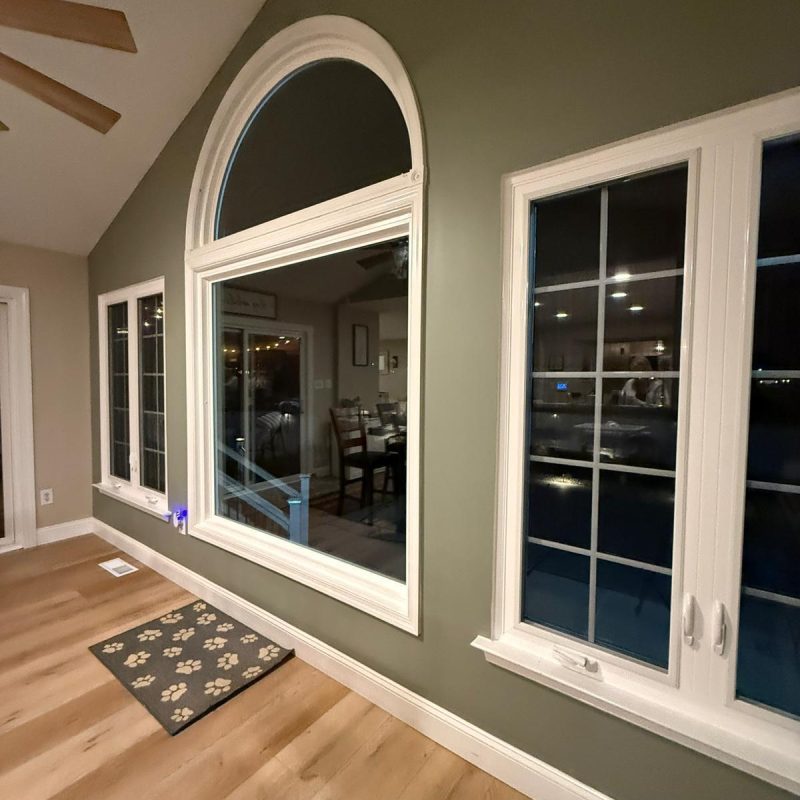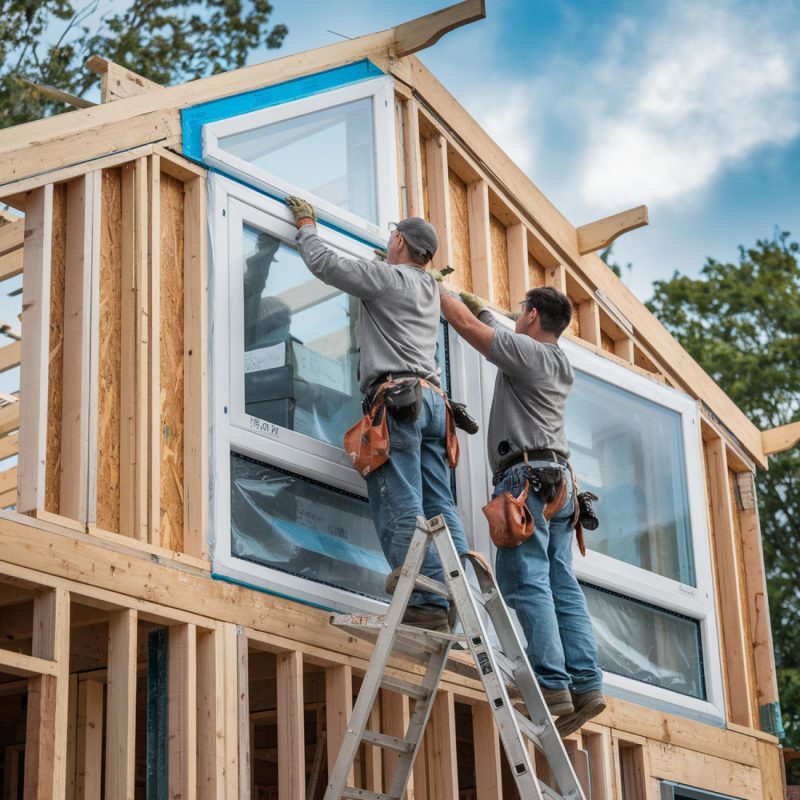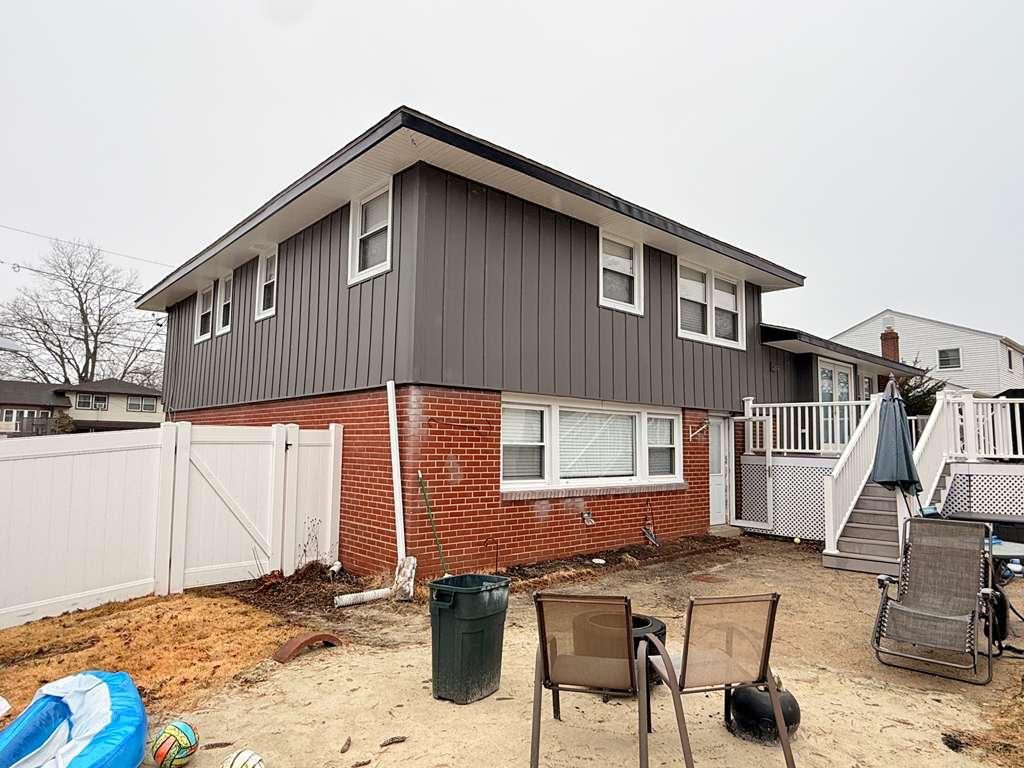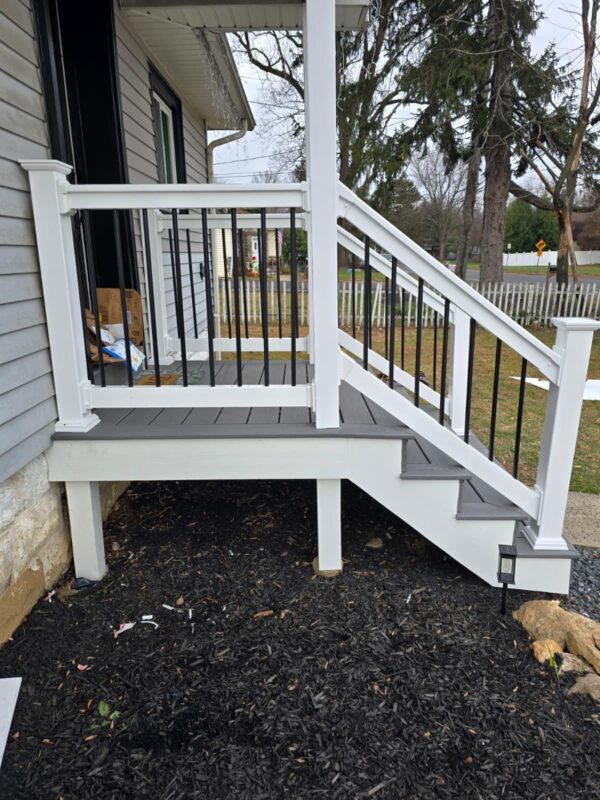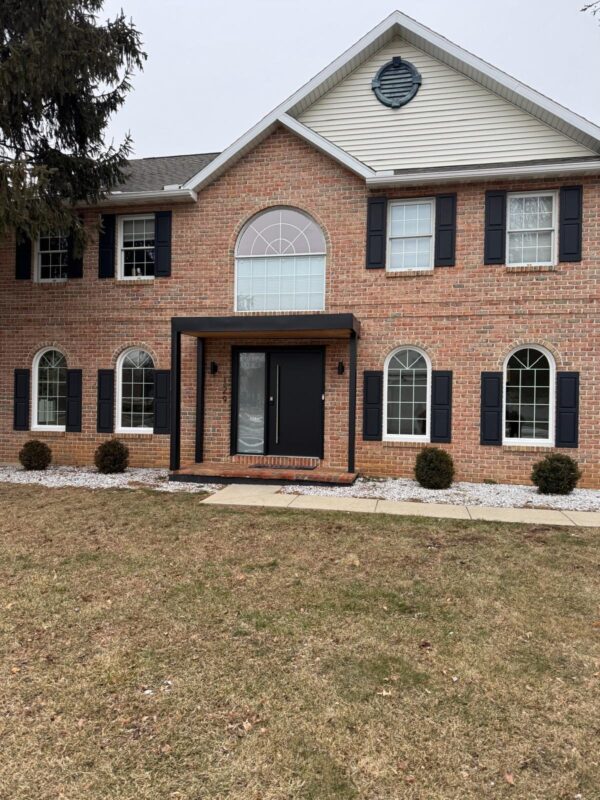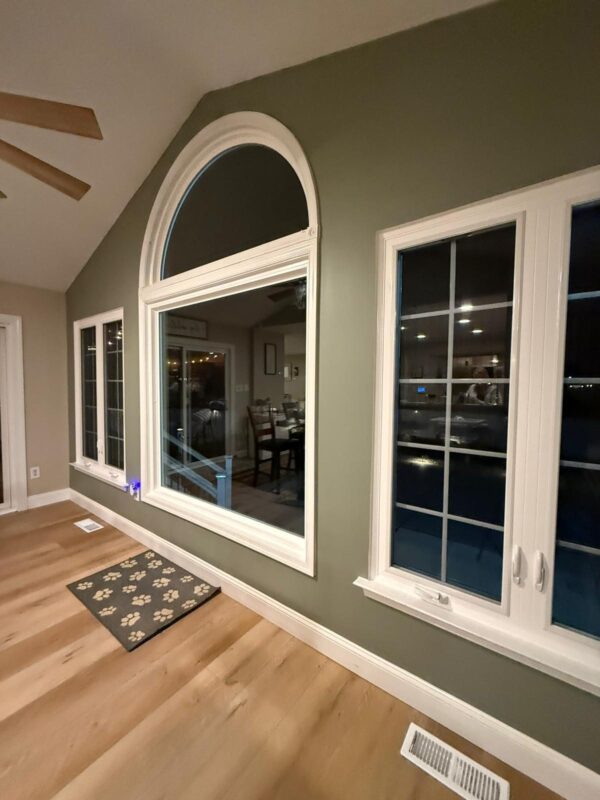
Homeowners across Bucks County, Philadelphia suburbs, Mercer County, Burlington County, and New Castle County experience the full range of Mid-Atlantic climate extremes. Winter freezing, spring flooding, summer heat, and fall moisture cycles create year-round challenges for every component of your home’s exterior envelope. The combination of temperature swings, precipitation patterns, and humidity fluctuations in Pennsylvania, New Jersey, and Delaware means that exterior materials face more stress than in single-season climates.
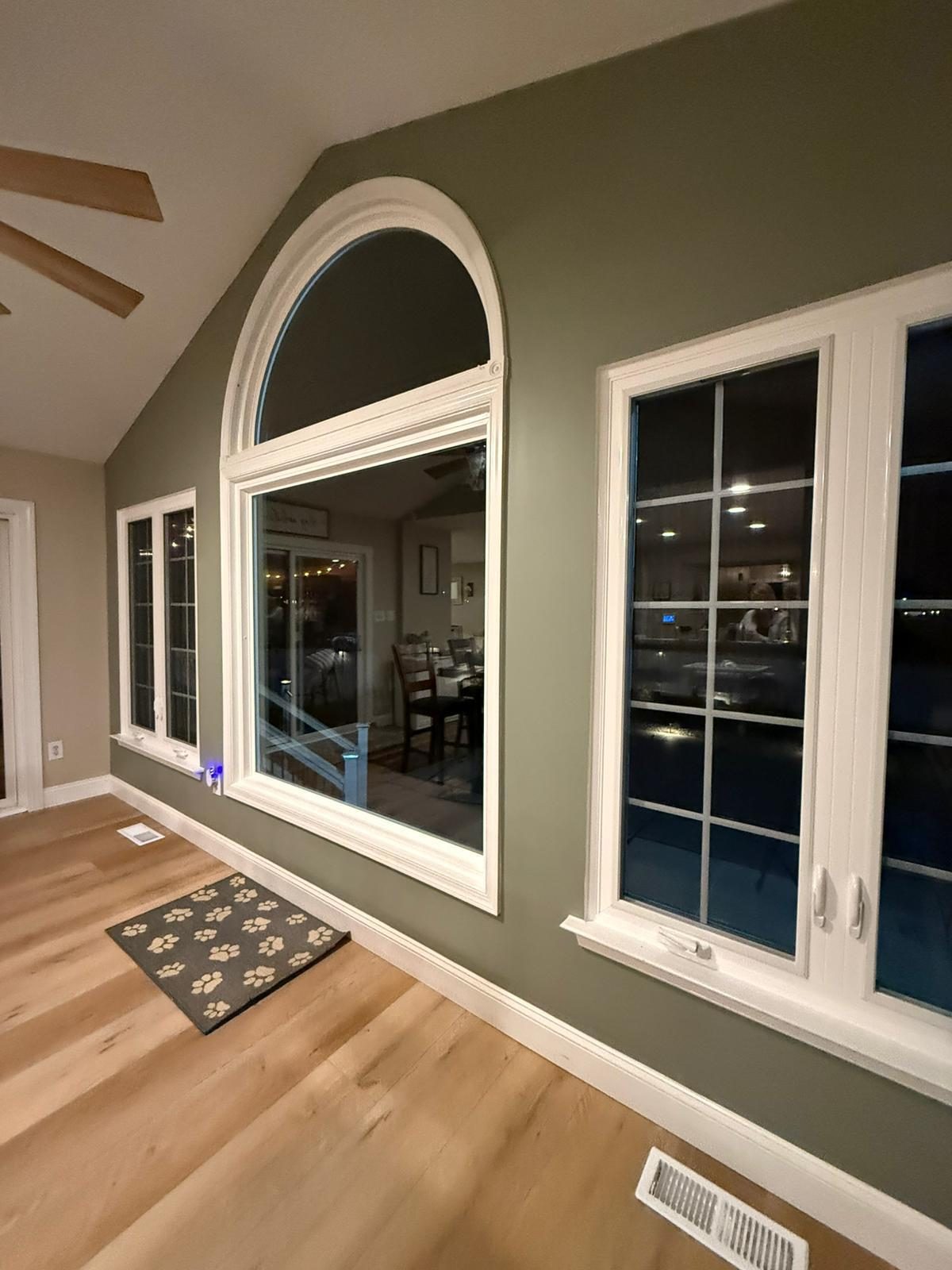
This guide examines how each season affects replacement windows, entry door installation PA NJ DE, siding renovation Tri State Area, and deck building Tri State Area projects. Understanding these patterns helps property owners schedule preventive work and choose materials engineered for local conditions. For broader context on managing all exterior components together, see our complete guide to exterior remodeling in the Tri State Area.
Winter Impact on Home Exteriors
January and February bring the most severe conditions for exterior materials across the region. Average temperatures drop below freezing for extended periods, often staying between 20 and 35 degrees Fahrenheit for weeks. Snowfall totals vary by location, with northern Bucks County typically seeing more accumulation than southern New Jersey townships, but the freeze-thaw cycle affects all three states equally.
Freeze-Thaw Damage to Siding and Trim
When moisture enters small cracks or gaps in siding, it expands during overnight freezing. This expansion forces the crack wider, allowing more water to penetrate during the next thaw. Vinyl siding becomes brittle below 20 degrees, making it vulnerable to cracking from ice buildup or accidental impact. Wood siding absorbs moisture that freezes and expands inside the grain structure, causing paint to peel and boards to warp.
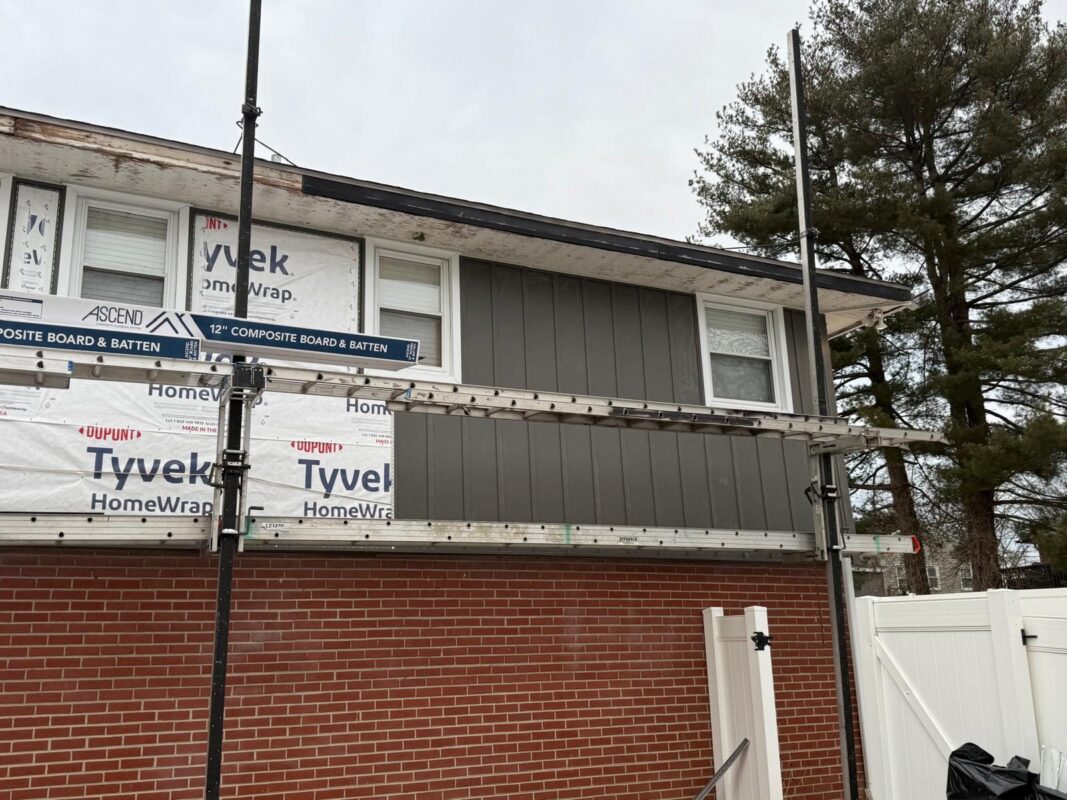
Fiber cement siding handles freeze-thaw cycles better than wood or vinyl because it does not absorb moisture at the same rate. The material remains stable through temperature changes and resists the expansion-contraction cycle that damages other products. Properties considering siding replacement PA NJ DE often choose fiber cement specifically for winter durability.
Window and Door Seal Failure from Cold
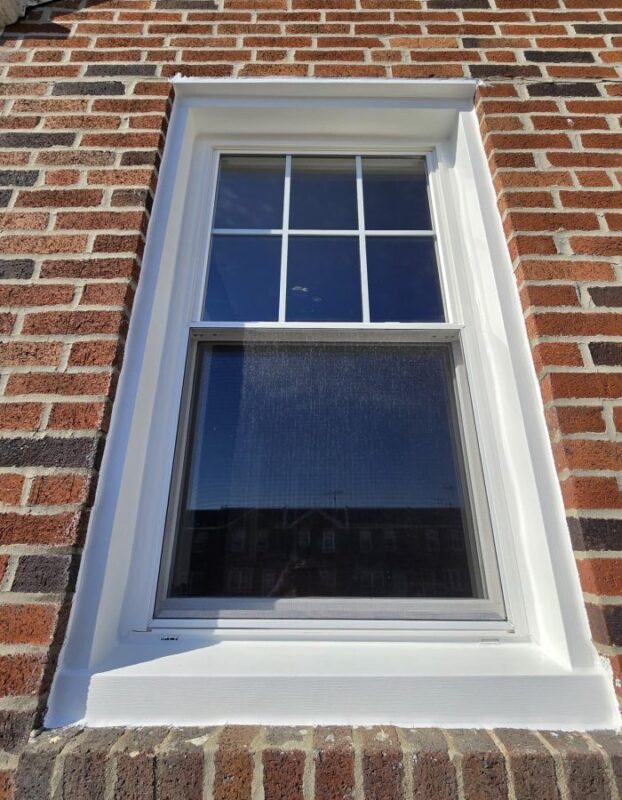
Older window seals contract in extreme cold, creating gaps between the sash and frame. Air infiltration increases, raising heating costs and creating drafts near windows. Double-pane windows with failed seals often show condensation or frost between the glass layers during cold spells. This condensation indicates the insulating gas has escaped and the window has lost most of its thermal efficiency.
Entry door weatherstripping compresses and hardens over repeated winters, losing its seal effectiveness. Gaps form at the bottom threshold where cold air enters freely. Steel doors without thermal breaks conduct cold directly through the door panel, creating frost on interior surfaces during the coldest nights. Modern front door replacement options include polyurethane foam cores that eliminate thermal bridging and maintain interior comfort.
Ice Dam Formation and Ventilation Issues
Poor attic ventilation combined with inadequate insulation creates conditions for ice dams on roof edges. Heat escaping through the roof melts snow, which refreezes at the eaves where the roof is coldest. The ice dam blocks proper drainage, forcing meltwater backward under shingles and into wall cavities. This water damages interior ceilings and exterior siding as it works through the building envelope.
Proper soffit and ridge ventilation keeps attic temperatures consistent with outdoor air, preventing the temperature differential that causes ice dams. Homes undergoing framing renovation Tri State Area projects should verify that ventilation pathways remain clear and that insulation does not block soffit vents.
Spring Moisture and Exterior Material Stress
March through May brings the highest precipitation totals across Pennsylvania, New Jersey, and Delaware. Rain events combine with snowmelt to saturate soil and test every joint, seal, and flashing detail on the home exterior. Spring also introduces rapid temperature swings, with warm afternoons following freezing mornings.
Water Intrusion Through Failed Flashing
Window and door flashing installed incorrectly or deteriorated from age allows spring rain to enter wall cavities. Water follows the path of least resistance, often traveling horizontally along studs before appearing as interior stains far from the actual entry point. Flashing failure around windows is one of the most common causes of hidden water damage in Tri State Area homes.
Professional window door siding installation Tri State Area includes integrated flashing systems that direct water away from openings. The flashing ties into the weather-resistant barrier and overlaps in a shingle pattern so that water flows outward at every layer. Homes with vinyl siding require J-channel flashing around every window and door opening to prevent water from running behind the siding plane.
Deck Rot from Trapped Moisture
Spring rain soaks into deck boards, railings, and structural framing. Wood decks without proper drainage or adequate airflow under the structure trap moisture against the wood surface. Decks built with boards tightly spaced and inadequate ground clearance show rot 40 to 60 percent faster than properly ventilated structures. The rot typically starts in horizontal surfaces like deck boards and stair treads, then progresses to the structural joists and beams.
Composite decking resists rot but still requires proper drainage and ventilation. Debris trapped between composite boards holds moisture against the material, promoting mold and mildew growth. Properties planning deck repair PA NJ DE should verify that all structural lumber remains sound and that any rotted framing members are replaced before installing new decking.
Foundation Settlement and Grading Issues
Heavy spring rain saturates soil around foundations, increasing hydrostatic pressure against basement walls. Poor grading that slopes toward the house directs surface water against the foundation instead of away from it. This water finds entry points through foundation cracks, window wells, and gaps around basement windows.
Exterior grading should slope at least 6 inches over the first 10 feet away from the foundation. Gutter downspouts need extensions that discharge water at least 5 feet from the foundation. Properties adding custom shed building Tri State Area structures should verify that the new building does not disrupt existing drainage patterns or create ponding near the main house.
Summer Heat and UV Degradation
June through August brings sustained heat and intense UV exposure across the region. Surface temperatures on south and west-facing walls routinely exceed 140 degrees Fahrenheit on sunny afternoons. This heat stresses siding materials, fades paint, and accelerates weathering on all exterior components.
Siding Expansion and Panel Warping
Vinyl siding expands significantly in summer heat. Panels installed too tightly without proper expansion gaps buckle and warp when temperatures rise. The warping creates visible waves in the siding profile and can pull panels loose from their mounting. Vinyl siding requires a gap of approximately one-quarter inch at all termination points to allow for thermal expansion.
Dark-colored siding absorbs more heat than light colors, increasing expansion and surface temperature. A dark brown or charcoal vinyl panel reaches higher temperatures than a light gray or cream panel on the same wall. This temperature difference affects both the material itself and the interior wall cavity, where higher temperatures reduce insulation effectiveness.
UV Breakdown of Wood and Paint
Ultraviolet radiation breaks down the lignin in wood siding and trim, causing the surface to turn gray and lose structural integrity. Paint and stain protect against UV damage, but these coatings themselves degrade under continuous sun exposure. South and west walls require repainting 20 to 30 percent more frequently than north-facing walls.
Cedar and redwood siding contain natural oils that provide some UV resistance, but these oils deplete over time. Once depleted, the wood absorbs moisture more readily and weathers rapidly. Regular maintenance with UV-blocking sealers extends the life of wood siding significantly.
Window Seal and Energy Efficiency Loss
Prolonged heat accelerates seal failure in double-pane windows. The insulating gas between panes expands during hot weather, placing stress on the edge seals. Over repeated heating cycles, these seals develop small leaks that allow gas to escape and moisture to enter. A window with failed seals loses 50 to 70 percent of its insulating value.
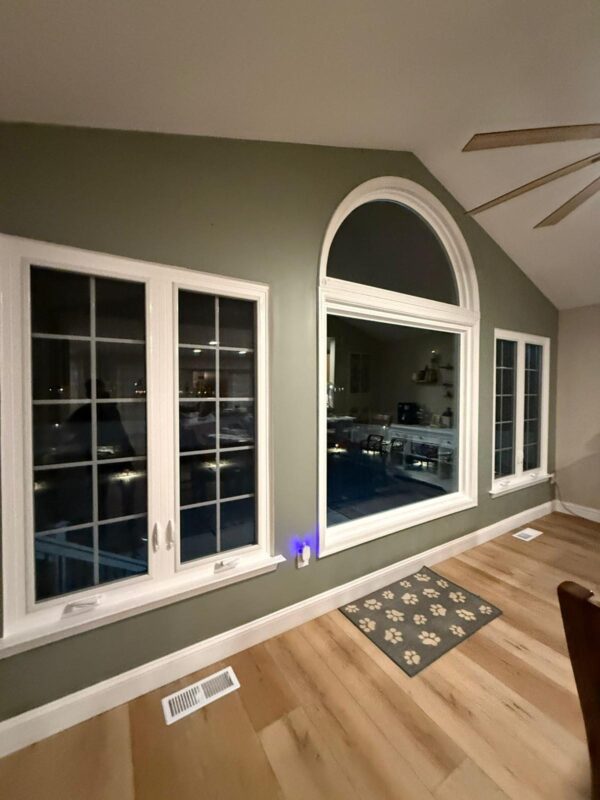
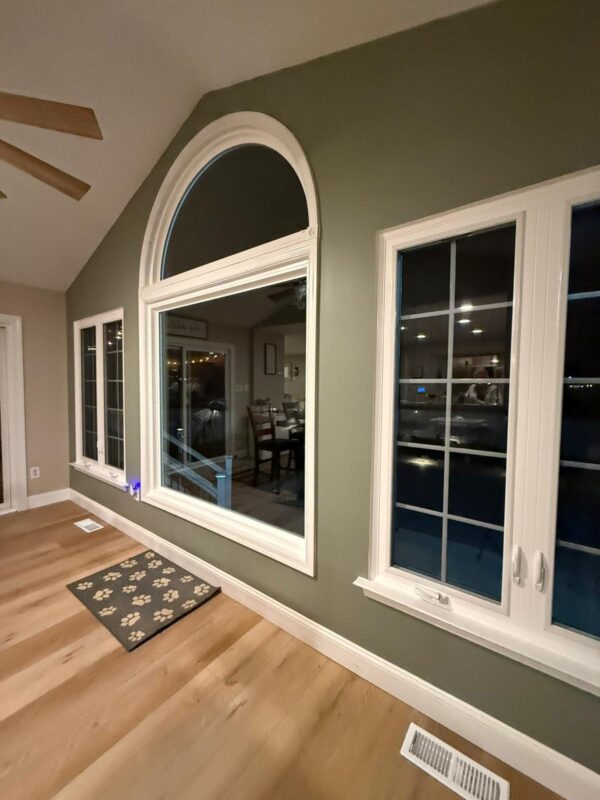
Homeowners planning residential window installation should choose products with dual or triple seals and low-E coatings that reflect heat. Low-E coatings reduce solar heat gain, keeping interior spaces cooler and reducing stress on the glass unit itself.
Material Selection Tip: When replacing exterior components, choose materials rated for the full range of local temperature extremes. Products tested only in moderate climates may fail prematurely under Tri State Area conditions.
Fall Preparation and Moisture Management
September through November brings cooler temperatures, falling leaves, and frequent rain. This season demands the most attention to drainage and maintenance, as preparing the home exterior for winter prevents damage during the coldest months.
Gutter Cleaning and Drainage Verification
Leaves and debris clog gutters during fall, preventing proper drainage and causing water to overflow onto siding and foundations. Overflowing gutters deposit water directly against the house, saturating soil and increasing the risk of basement water intrusion. Clogged gutters contribute to 30 to 40 percent of fall and winter water damage claims in the region.
Gutters should be cleaned at least twice during fall, once in mid-October and again in late November after leaf drop completes. Downspouts require verification that they discharge freely and that extensions remain in place. Properties with mature trees may need additional cleanings to maintain proper flow.
Sealant and Caulk Inspection
Exterior caulk around windows, doors, and penetrations degrades over time. Cracks in caulk allow water and air infiltration. Fall represents the ideal time to inspect and replace failed caulk before winter freezing opens gaps further. Quality polyurethane or hybrid sealants remain flexible through temperature changes and last 10 to 15 years when properly applied.
Pay particular attention to caulk joints at the top of window and door trim, where water runs down the wall and pools before entering the gap. Vertical joints on the sides of trim typically show less wear than horizontal top joints. Properties scheduling exterior door services should verify that new installations include proper sealant application at all trim junctions.
Deck Maintenance and Stair Safety
Fall rain and morning frost make deck surfaces slippery. Wood decks require inspection for loose boards, protruding nails, and structural issues that could worsen under snow load. Composite decks need cleaning to remove mold and mildew that accumulated during summer humidity. Stairs pose the greatest slip risk and should receive special attention.
Deck staining or sealing should be completed by mid-October before temperatures drop too low for proper curing. Most deck sealers require application temperatures above 50 degrees Fahrenheit and need 24 to 48 hours without rain. Properties considering new deck installation should plan to complete the project by early fall to allow the structure to weather through one winter before applying the first protective coating.
Material Selection for Year-Round Performance
Choosing exterior materials suited to Tri State Area weather patterns reduces maintenance requirements and extends component life. Not all products perform equally across the temperature and moisture extremes this region experiences.
Siding Material Comparison
| Material | Winter Performance | Summer Performance | Moisture Resistance | Expected Lifespan |
|---|---|---|---|---|
| Vinyl | Becomes brittle below 20°F, prone to crack from impact | Expands significantly, can warp if installed too tight | Does not absorb water but traps moisture behind panels | 20 to 30 years |
| Fiber Cement | Stable through freeze-thaw cycles, no brittleness | Minimal expansion, holds paint well | Resistant to moisture penetration, will not rot | 30 to 50 years |
| Wood (Cedar) | Absorbs moisture, prone to splitting if not sealed | UV degrades surface, requires regular maintenance | Absorbs water, rots if not properly maintained | 15 to 30 years with maintenance |
| Engineered Wood | Handles cold well but vulnerable to moisture intrusion | Stable in heat, requires paint maintenance | Swells when wet, must be kept sealed | 20 to 30 years |
Window and Door Material Considerations
Vinyl window frames resist moisture and do not require painting, but they expand and contract more than other materials. This movement can stress the glass seal over time. Fiberglass frames remain more dimensionally stable and better maintain seal integrity through temperature extremes.
Entry doors face similar trade-offs. Steel doors offer excellent security and energy efficiency when properly insulated, but they conduct temperature unless a thermal break is engineered into the design. Fiberglass doors provide the best balance of insulation, durability, and low maintenance for Tri State Area conditions.
Deck Material Selection
Pressure-treated lumber remains the most economical choice for deck framing and structural components. The treatment protects against rot and insect damage but does not eliminate the need for proper drainage and ventilation. Deck boards face the greatest weather exposure and benefit most from upgraded materials.
Composite decking resists rot, insects, and splintering. Early generation composite products experienced significant expansion and contraction, but modern formulations include stabilizers that reduce movement. Capped composite decking adds a protective shell around the composite core, improving stain resistance and color retention. Properties comparing options for deck restoration should evaluate the condition of existing framing before deciding whether to replace only the decking or rebuild the entire structure.
Contractor Selection and Installation Quality
Proper installation matters more than material selection for long-term exterior performance. Even premium products fail prematurely when installed incorrectly. Tri State Area homeowners should verify that contractors hold active licenses in the state where work will be performed. Pennsylvania requires a Home Improvement Contractor license, New Jersey issues Home Improvement Contractor registrations, and Delaware maintains contractor licensing through the Division of Professional Regulation.
Installation Details That Matter
- Flashing integration: Every window and door requires head flashing that overlaps the weather-resistant barrier and directs water outward, not into the wall cavity
- Siding fastening: Nails must be driven through the center of the slot, not tight against the panel, to allow for thermal expansion
- Deck ledger attachment: Ledger boards bolted to the house structure need proper flashing above to prevent water from entering the rim joist
- Soffit ventilation: Continuous soffit vents paired with ridge vents create airflow that prevents moisture buildup and ice dam formation
- Caulk application: Three-sided adhesion creates a weak joint; proper technique leaves the back side of the gap open so the sealant can move with the materials
Licensed contractors familiar with local building codes understand these details and implement them consistently. Properties scheduling full exterior renovation Tri State projects benefit from working with a single contractor who coordinates all trades and maintains quality control from start to finish.
Preventive Maintenance Calendar
Regular maintenance catches small issues before they become expensive repairs. A seasonal calendar helps homeowners stay ahead of weather-related damage.
Spring Tasks
- Inspect roof and gutters for winter damage
- Check window and door seals for cracks or gaps
- Verify grading directs water away from foundation
- Clean debris from deck structure and check for rot
- Inspect siding for loose panels or damaged sections
Summer Tasks
- Power wash siding, deck, and walkways
- Repaint or stain wood surfaces as needed
- Trim vegetation away from siding and roof
- Inspect and repair caulk around windows and doors
- Check attic ventilation and insulation
Fall Tasks
- Clean gutters and downspouts thoroughly
- Apply deck sealer before temperatures drop
- Inspect and repair exterior caulk
- Check weatherstripping on doors and windows
- Store outdoor furniture and protect exposed fixtures
Winter Tasks
- Remove snow from decks and railings promptly
- Clear ice from walkways and stairs
- Check for ice dam formation on roof edges
- Monitor attic temperature and ventilation
- Inspect for air leaks around windows and doors
When to Schedule Replacement vs. Repair
Weather damage accumulates over time. Small issues that receive prompt repair may extend component life for years, but some situations warrant full replacement rather than continued maintenance.
Replace windows when: Multiple panes show seal failure with condensation between glass layers, frames show rot or structural damage, or energy bills increase significantly despite other efficiency improvements. Windows more than 20 years old typically lack modern energy features and cost more to heat and cool than replacement would cost over a 5-year period.
Replace siding when: More than 30 percent of panels show damage, moisture intrusion has occurred behind the siding plane, or the existing material requires frequent repair. Homes with original wood siding showing extensive rot benefit from complete vinyl siding installation that eliminates ongoing maintenance.
Replace doors when: The frame shows rot or structural damage, weatherstripping no longer creates an effective seal even after replacement, or the door itself has warped and no longer closes properly. Entry doors are critical for security and energy efficiency; compromised doors should be replaced promptly.
Replace decks when: Structural framing shows rot or insect damage, more than 40 percent of deck boards require replacement, or the ledger board attachment to the house has failed. Attempting to repair extensively damaged deck structures often costs nearly as much as replacement while leaving underlying issues unaddressed.
Working with Weather During Exterior Projects
Timing exterior work around Tri State Area weather patterns improves installation quality and reduces delays. Some projects have narrow weather windows for optimal results.
Window and door installation can proceed during most weather conditions once the openings are protected. Contractors use temporary weatherproofing to seal openings between removal and installation. Rain delays exterior trim work but does not prevent the installation itself. Cold temperatures below 40 degrees make sealants difficult to apply properly.
Siding installation requires dry conditions and moderate temperatures. Vinyl siding should not be installed when temperatures fall below 40 degrees, as the material becomes too brittle to cut and fasten properly. Fiber cement siding has fewer temperature restrictions but still requires dry conditions for proper fastening and caulk application.
Deck construction tolerates a wider range of conditions. Structural framing can proceed in light rain, though workers may pause during heavy downpours. Deck boards should be installed when wood moisture content matches expected service conditions; installing very wet lumber leads to gaps as the boards dry and shrink. Staining and sealing require dry weather and temperatures above 50 degrees for proper curing.
The optimal exterior remodeling season in Pennsylvania, New Jersey, and Delaware runs from late April through October. This window provides consistent temperatures, lower precipitation compared to spring, and enough time for materials to cure before winter. Properties planning multiple exterior upgrades should consider the logistics of coordinating window, door, siding, and deck work within this timeframe. For guidance on sequencing multiple projects, see our complete guide to exterior remodeling.
Insurance and Weather Damage Claims
Homeowners insurance typically covers sudden weather damage but excludes damage from deferred maintenance. Understanding the difference helps property owners document claims properly and maintain coverage.
Covered events include wind damage that tears off siding or damages roofing, hail impact that breaks windows or dents metal components, and falling tree limbs that strike the home. Ice dam damage may be covered if the home has proper ventilation and the damage resulted from an unusual weather event rather than chronic poor maintenance.
Excluded events include rot from long-term water intrusion, pest damage, normal wear and deterioration, and damage resulting from failure to maintain the property. Siding that rots because gutters were not cleaned is typically not covered. Windows that fail due to age are considered a maintenance item, not an insured loss.
When weather damage occurs, document the damage with photographs before making temporary repairs. Contact your insurance carrier promptly to report the claim. Keep all receipts for emergency repairs and temporary weatherproofing. Licensed contractors provide detailed estimates that insurance adjusters use to determine claim values. Properties filing claims for structural repair PA NJ DE should work with contractors experienced in insurance restoration work who understand documentation requirements.
Start Your Exterior Weather Protection Plan
The Tri State Area’s year-round weather challenges require proactive exterior maintenance and strategic material choices. Homeowners who understand how each season stresses different components can schedule preventive work before damage occurs. Professional installation by licensed contractors ensures that windows, doors, siding, and decks perform as designed through temperature extremes and moisture cycles.
Santos Replacement provides licensed and insured exterior remodeling services across Pennsylvania, New Jersey, and Delaware. Our team handles window replacement, door installation, siding renovation, and deck construction with a single project manager from estimate through completion. We work throughout Bucks County, Philadelphia suburbs, Mercer County, Burlington County, and New Castle County.
Schedule a free in-home consultation to assess your exterior’s condition and discuss material options suited to local weather patterns. Our estimates include detailed specifications and project timelines. Contact Santos Replacement today to protect your home against Tri State Area weather year-round.
Frequently Asked Questions
What time of year causes the most damage to home exteriors in Pennsylvania, New Jersey, and Delaware?
Winter freeze-thaw cycles and spring moisture cause the most extensive damage across the Tri State Area. Ice formation inside cracks expands and widens gaps in siding, trim, and window seals. Spring rain then exploits these openings, driving water into wall cavities and structural framing. This combination of temperature extremes and precipitation accounts for 50 to 60 percent of weather-related exterior damage in the region. Properties with existing small cracks or gaps before winter often show significant deterioration by late spring.
How does Tri State Area weather affect the lifespan of exterior materials?
Temperature swings and moisture cycles reduce exterior material lifespan by 20 to 30 percent compared to mild climates. Vinyl siding rated for 40 years in moderate regions typically lasts 25 to 30 years in Pennsylvania, New Jersey, and Delaware. Wood siding requires maintenance every 3 to 5 years rather than every 5 to 7 years. Window seals fail 30 to 40 percent faster under repeated heating and cooling. Deck structures built with pressure-treated lumber show structural deterioration 5 to 7 years sooner than identical decks in consistently dry climates. Material selection, installation quality, and regular maintenance significantly influence actual service life.
Should I wait until spring to replace windows and doors, or can work proceed in winter?
Window and door replacement can proceed year-round with proper precautions. Professional contractors use temporary weatherproofing to protect openings during installation. The new units are typically installed and sealed within hours of removing the old components. Cold weather does limit exterior caulk application; most sealants require temperatures above 40 degrees for proper curing. Winter installation may include interior caulking with exterior sealing completed when temperatures rise. Properties in Pennsylvania, New Jersey, or Delaware should not delay necessary window or door replacement due to season alone, as drafty or damaged units waste energy throughout the coldest months.
What maintenance should homeowners perform between professional exterior work?
Homeowners should clean gutters twice each fall, inspect and repair caulk annually, trim vegetation away from siding, power wash exterior surfaces each summer, and check deck structures for loose boards or protruding fasteners. Window and door weatherstripping should be inspected before winter and replaced if it no longer creates a tight seal. Homeowners should also verify that grading slopes away from the foundation and that downspout extensions remain in place. These maintenance tasks prevent small issues from becoming expensive repairs and extend the life of professionally installed exterior components by 20 to 40 percent.
How do I know if weather damage requires repair or full replacement?
Isolated damage affecting less than 20 percent of a component typically warrants repair, while widespread damage affecting more than 40 percent justifies replacement. Window condensation between panes in multiple units indicates seal failure that requires window replacement. Siding with extensive cracking, warping, or moisture intrusion behind panels needs complete replacement. Decks with rotted structural framing require rebuilding, while surface damage limited to deck boards can be repaired with selective board replacement. Entry doors showing frame rot, structural warping, or repeated weatherstripping failure should be replaced. Schedule a professional inspection when uncertain; licensed contractors provide detailed assessments that identify whether repair or replacement offers better long-term value.