Homeowners across Pennsylvania, New Jersey, and Delaware face a predictable cycle: harsh winters followed by spring thaw that exposes accumulated damage. The freeze-thaw pattern common to the Tri State Area accelerates wear on exterior materials, creating gaps, cracks, and moisture intrusion points that compromise both structure and energy efficiency. Identifying these issues in late winter, before the spring rain season begins, prevents small problems from becoming major projects.
A thorough exterior inspection should occur in February or early March, when temperatures rise above freezing during daylight hours but before heavy spring precipitation arrives. This timing allows homeowners to schedule repairs with contractors before the busy spring renovation season fills calendars. Properties in Bucks County, Burlington County, Mercer County, Philadelphia suburbs, and New Castle County typically experience similar damage patterns due to comparable climate conditions.
Siding Damage and Moisture Intrusion
Vinyl and fiber cement siding expand and contract through freeze-thaw cycles, creating stress points that manifest as cracks, warping, or loose panels. Walk the perimeter of your home at a distance of ten to fifteen feet, scanning horizontally across each wall section. Look for:
- Cracked or split panels: horizontal cracks along the center of siding panels indicate thermal stress or impact damage from ice falling from rooflines
- Warped or buckled sections: panels that bulge outward or curl at the edges signal improper installation, moisture behind the siding, or structural movement
- Missing or loose panels: high winds during winter storms can dislodge panels that were not properly secured, especially near corners and J-channel transitions
- Faded or discolored areas: irregular fading patterns may indicate water intrusion behind the siding rather than simple UV exposure
- Gaps around trim and penetrations: check where siding meets windows, doors, vents, and outdoor fixtures for separated caulk or open seams
Moisture intrusion through damaged siding reaches wall sheathing and framing, where it can remain undetected for months while fostering rot and mold growth. A single cracked panel or failed caulk joint allows enough water entry to saturate insulation and compromise structural integrity. Properties with older vinyl siding, installed fifteen or more years ago, show higher incidence of cold-weather cracking due to material degradation over time.
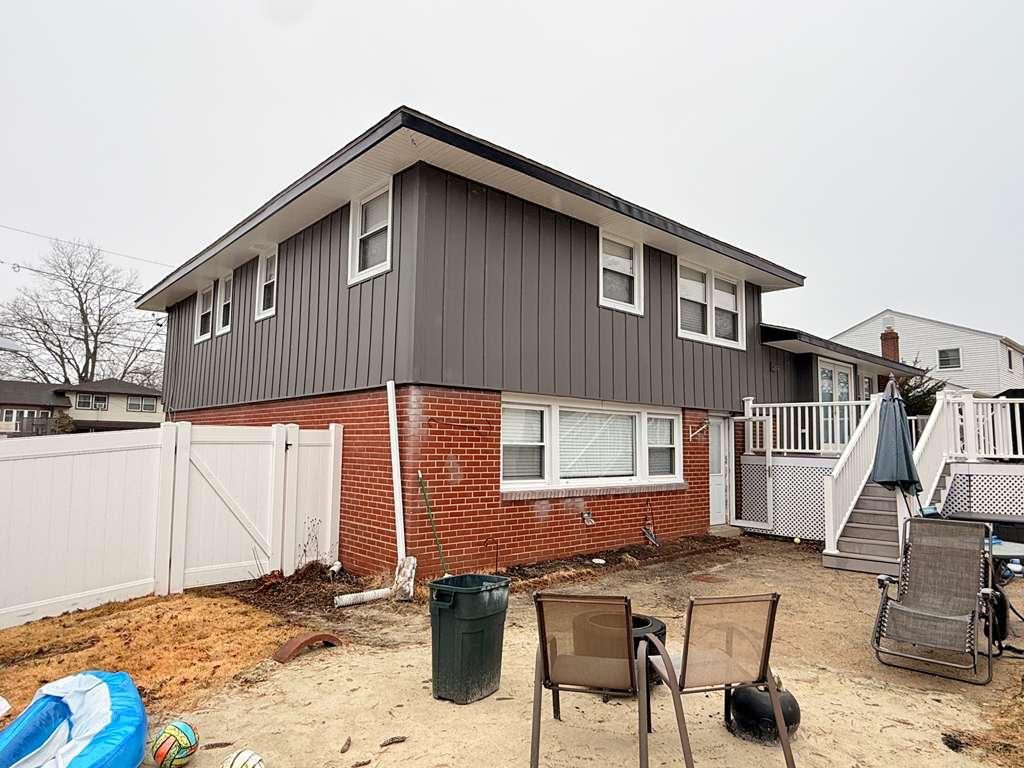
For homeowners planning broader exterior updates, comprehensive siding renovation Tri State Area services address underlying moisture damage while upgrading to modern materials with improved thermal performance and impact resistance. Early detection of siding failure prevents the need for sheathing and framing repair, keeping project scope and cost predictable.
Window and Door Seal Failure
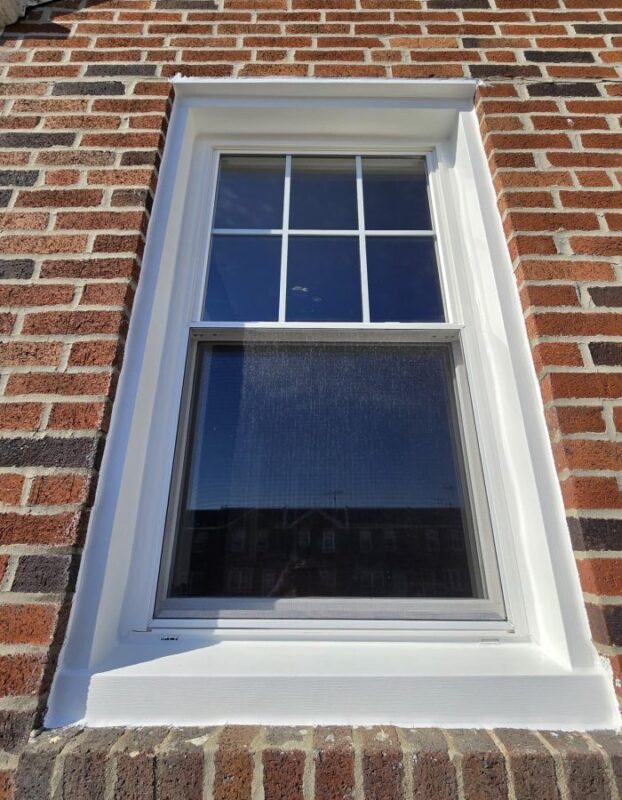
Windows and exterior doors undergo significant stress during winter as interior heat meets frigid outdoor air at the glazing and weatherstripping interface. Condensation, ice buildup, and repeated temperature cycling degrade seals and frames. Inspect each window and door from both interior and exterior:
- Interior condensation or frost: moisture accumulation between panes indicates seal failure in insulated glass units, requiring full sash replacement rather than simple repair
- Drafts around frames: hold a lit candle or incense stick near the perimeter of closed windows and doors on a windy day; flame movement reveals air infiltration through failed weatherstripping or frame separation
- Peeling paint or rot on wood frames: moisture intrusion causes paint to bubble and wood to soften, particularly on south and west-facing openings that receive direct sun after winter precipitation
- Daylight visible around closed doors: stand inside with lights off during daylight and inspect door perimeters for light leaks, which indicate gaps in weatherstripping or threshold seals
- Difficult operation: windows or doors that stick, bind, or require force to open or close have shifted frames, swollen wood components, or hardware failure from repeated freeze-thaw cycles
Failed window seals reduce R-value by thirty to forty percent, forcing heating systems to work harder and creating cold zones near windows where occupants feel uncomfortable despite adequate thermostat settings. Exterior doors with compromised weatherstripping allow continuous air exchange that accounts for ten to twenty percent of total heating load in cold months.
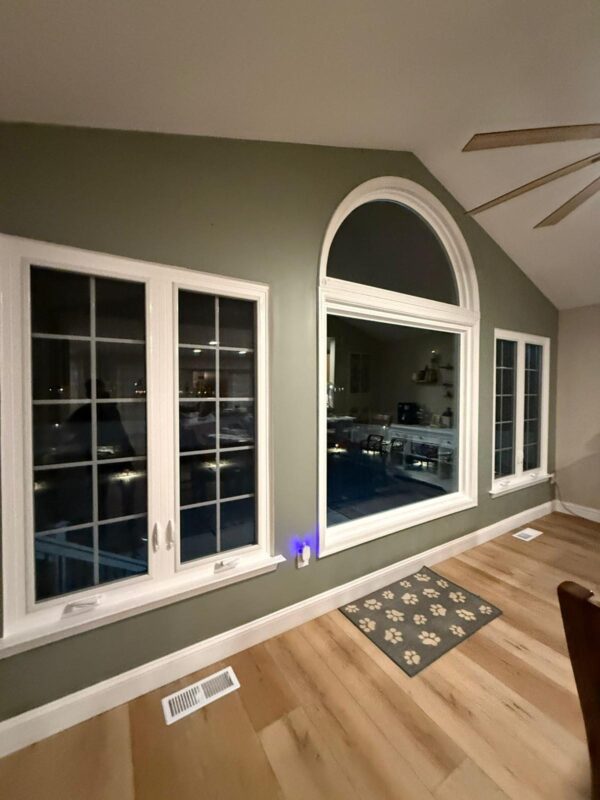
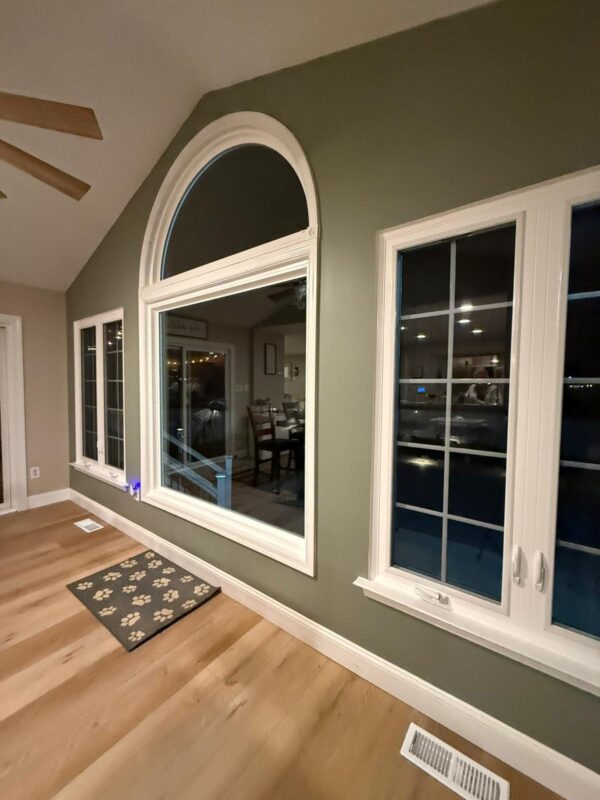
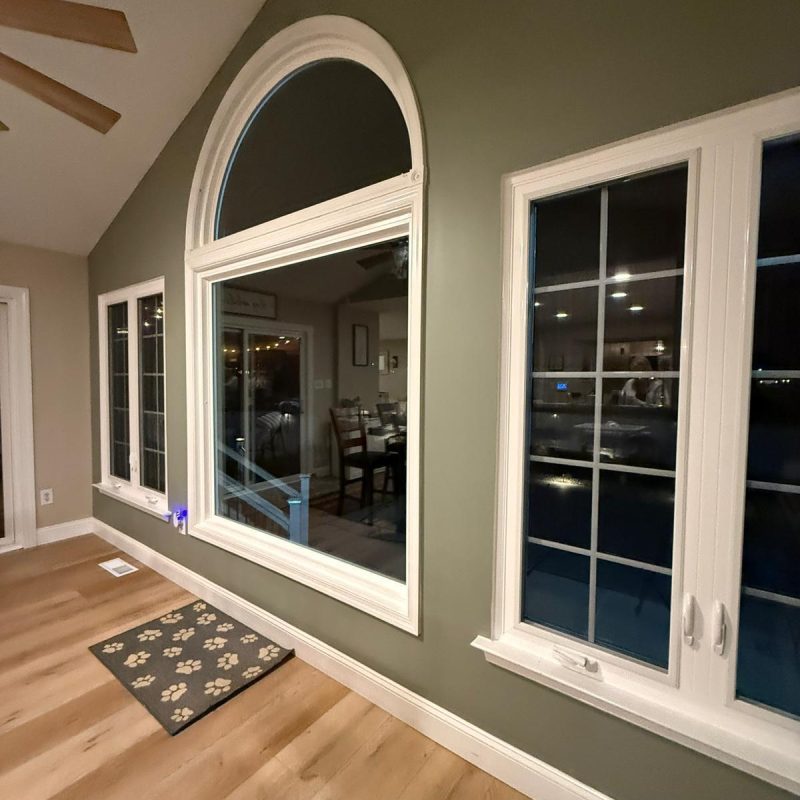
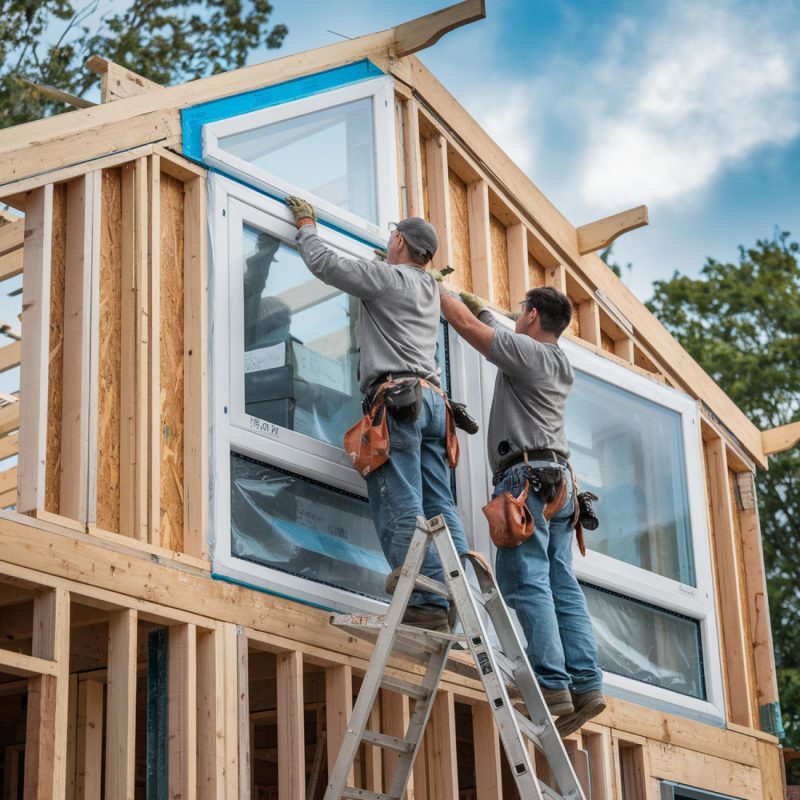
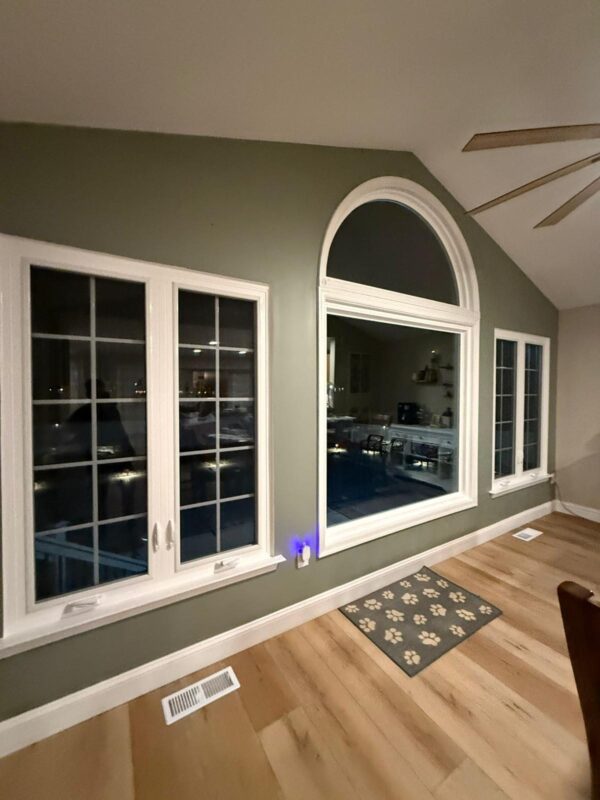
Professional window replacement Tri State Area contractors assess both visible damage and underlying frame condition, identifying whether isolated sash replacement suffices or full frame removal becomes necessary. Similarly, door replacement Tri State Area specialists evaluate threshold condition, jamb squareness, and hardware integrity to determine repair versus replacement recommendations.
Deck Structural and Surface Issues
Wood and composite decks face unique winter challenges across the Tri State Area. Snow accumulation creates sustained moisture contact with horizontal surfaces, while ice formation in board seams and fastener holes accelerates splitting and fastener failure. Spring inspection should cover both structural and cosmetic elements:
Structural Components
Examine support posts, beams, joists, and ledger board attachment before assessing surface boards and railings. Structural failure poses safety risk and requires immediate attention:
- Ledger board separation: the ledger, which connects the deck to the house, should remain tight against the band joist with no visible gap; separation indicates fastener corrosion or wood rot in either the ledger or house rim joist
- Post movement or lean: deck support posts should stand plumb and stable; posts that lean or rock when pushed indicate footing failure, post rot at ground level, or inadequate lateral bracing
- Joist sag or bounce: walk across the deck surface and note any excessive deflection or bouncing; these symptoms indicate undersized joists, joist rot, or hanger failure
- Rust on fasteners and hardware: corroded joist hangers, lag screws, or carriage bolts lose holding power; inspect hardware closely at beam-to-post connections and joist-to-beam attachments
Surface and Railing Condition
Once structural integrity checks out, assess surface boards, railing components, and stairs:
- Cracked, split, or cupped boards: surface boards that have cracked lengthwise or cupped into a concave shape collect water and accelerate rot; composite boards that have split at fastener points require replacement
- Popped fasteners: nails or screws that protrude above the deck surface indicate wood shrinkage, fastener corrosion, or improper installation; protruding fasteners create trip hazards and allow moisture entry
- Loose railing sections: test railing stability by pushing horizontally and vertically at mid-span between posts; movement indicates loose fasteners or rotted attachment points
- Stair tread wear: stairs receive concentrated traffic and show damage earlier than main deck surfaces; inspect stair stringers, treads, and handrail mounts carefully
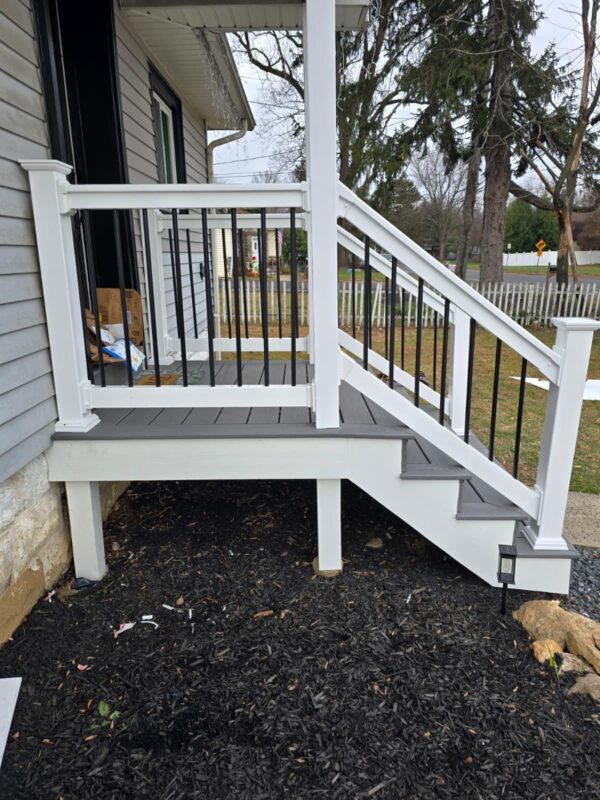
Homeowners planning deck upgrades should consider both deck renovation Tri State Area for structurally sound frames that need surface and railing replacement, and full deck building Tri State Area services for decks with compromised framing or outdated design that no longer meets current residential building codes.
Roof and Gutter Damage Patterns
Roof systems across the Tri State Area endure ice dams, snow load, and wind-driven rain during winter months. While comprehensive roof inspection requires professional assessment, homeowners can identify common damage indicators from ground level or attic access:
- Missing or damaged shingles: scan rooflines with binoculars for missing shingles, lifted tabs, or curled edges; wind frequently damages ridge caps and shingles near roof-to-wall transitions first
- Ice dam staining: dark streaks or stains on exterior walls just below the roofline indicate ice dam water intrusion; interior ceiling stains in upper-floor rooms or attics confirm active leaks
- Sagging gutters or downspouts: gutters that sag, pull away from fascia boards, or have separated joints fail to drain properly and direct water against siding or foundation walls
- Granule accumulation in gutters: asphalt shingles shed granules as they age; heavy granule deposits in gutters or at downspout outlets indicate advanced shingle wear
- Fascia and soffit rot: inspect fascia boards and soffit panels for soft spots, discoloration, or visible rot; these symptoms indicate prolonged moisture exposure from gutter overflow or roof leaks
Gutter systems clogged with fall leaves and winter debris cause water to overflow and run down exterior walls, saturating siding, window frames, and foundation perimeters. Spring cleaning before the first heavy rains prevents this overflow pattern. Properties with mature trees require gutter guards or semi-annual cleaning to maintain proper function.
Foundation and Grading Concerns
Freeze-thaw cycles affect soil around home foundations, creating settlement, heaving, or changes in grading that direct water toward rather than away from the structure. Walk the home perimeter and note:
- Cracks in foundation walls: new or widening cracks in poured concrete or block foundations indicate settlement or frost heave; horizontal cracks and cracks wider than one-eighth inch require professional structural evaluation
- Negative grading: ground that slopes toward the foundation rather than away directs surface water and snowmelt into basement walls; ideal grade drops six inches over the first ten feet away from the foundation
- Settled areas near downspouts: depressions in soil at downspout discharge points indicate concentrated water flow that requires downspout extensions or underground drainage
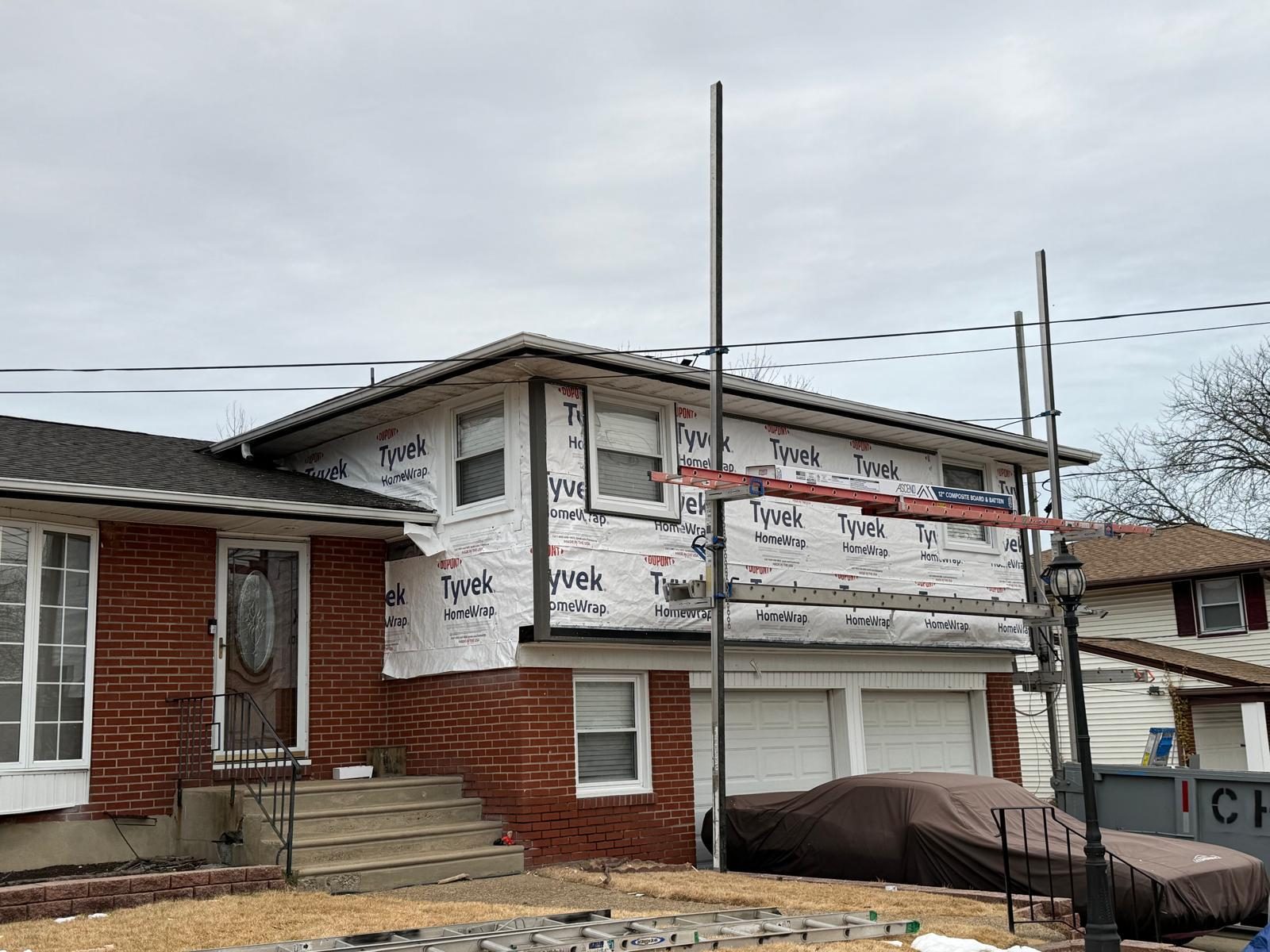
- Exposed foundation below siding: siding should extend below grade level to prevent water intrusion behind the bottom edge; visible foundation below siding edge indicates soil settlement or improper original installation
Foundation moisture intrusion creates basement dampness, musty odors, and eventual interior damage. Properties built on expansive clay soils, common in parts of Bucks County and Mercer County, show higher incidence of foundation movement from seasonal moisture changes.
Exterior Trim and Penetration Points
Areas where different materials meet create vulnerability to water intrusion. Inspect all transition points and penetrations:
- Corner boards and trim: check outside corners where siding meets trim boards for separated joints, lifted caulk, or gaps that expose raw wood or sheathing
- Window and door trim: exterior casing should fit tight against siding with intact caulk joints; gaps allow water behind siding and into wall cavities
- Vent and fixture penetrations: dryer vents, exhaust fans, outdoor electrical outlets, and hose bibs require weathertight seals and flashing; check for gaps, cracked caulk, or missing flashing
- Chimney flashing: inspect where chimney meets roofline and siding for separated or corroded flashing, open mortar joints, or damaged chimney caps
Penetration failures account for a significant percentage of exterior moisture problems because water travels inside wall cavities before symptoms appear at interior surfaces. By the time interior damage becomes visible, structural components may have experienced months of saturation.
Establishing a Spring Repair Priority
Once inspection identifies damage points, prioritize repairs based on risk and urgency:
- Immediate safety hazards: loose deck railings, unstable stairs, or structural failures that pose injury risk require immediate professional attention regardless of season or budget
- Active water intrusion: roof leaks, failed window seals with interior condensation, and foundation cracks that allow water entry should be addressed before spring rain season
- Progressive damage: small siding cracks, minor trim separation, and early wood rot spread rapidly once spring moisture arrives; these repairs prevent larger projects later in the year
- Energy efficiency: drafty windows and doors, failed weatherstripping, and missing insulation cost money every month in higher utility bills but pose no structural risk; schedule these upgrades after critical repairs complete
- Cosmetic improvements: faded paint, minor cosmetic deck wear, and aesthetic concerns can wait until after structural and water-intrusion issues resolve
Homeowners managing multiple exterior issues benefit from consulting contractors who handle integrated projects. Services combining window door siding installation Tri State Area address multiple failure points in a single project timeline, often at lower total cost than sequential single-trade repairs. For a comprehensive overview of coordinating exterior work, review our complete guide to exterior remodeling in the Tri State Area.
Working With Licensed Contractors in PA, NJ, and DE
Exterior repair and renovation work in the Tri State Area requires proper licensing and insurance across state lines. Pennsylvania requires Home Improvement Contractor registration for projects above a threshold value. New Jersey mandates Home Improvement Contractor licensing through the Division of Consumer Affairs. Delaware requires contractor registration and insurance for most residential work.
Verify contractor credentials before signing contracts or making deposits:
- State licensing: confirm active PA HIC, NJ HIC, or DE contractor license numbers through state online databases
- Insurance coverage: request certificates of insurance showing general liability and workers compensation coverage active through project completion dates
- References and portfolio: review completed projects in your specific service area and material type; ask for recent customer references and follow up with calls
- Written estimates: obtain detailed written estimates specifying materials by brand and grade, scope of work, timeline, payment schedule, and warranty terms
- Building permits: discuss permit requirements for your specific project; structural work, window and door replacement, and deck construction often require municipal permits and inspections
Spring represents peak season for exterior contractors across the Tri State Area. Scheduling repair work in late winter or early spring, before homeowner demand peaks in May and June, often results in faster project completion and occasionally more favorable pricing.
Frequently Asked Questions
How much damage can one winter cause to exterior components?
A single severe winter with multiple freeze-thaw cycles can reduce the remaining service life of already-aged exterior components by twenty to thirty percent. New, properly installed materials withstand seasonal stress with minimal damage, but components approaching the end of their typical lifespan often fail suddenly after harsh winter conditions. Vinyl siding older than twenty years, wood deck boards older than fifteen years, and windows with failed seals older than twenty-five years show accelerated deterioration after severe winter weather across the Tri State Area.
Should I wait until spring weather stabilizes to schedule exterior repairs?
No. Scheduling inspections and repair contracts in late winter allows work to begin as soon as temperatures consistently remain above forty degrees Fahrenheit, typically mid-March to early April in the Tri State Area. Many exterior materials require minimum installation temperatures, but contractor calendars fill quickly once spring arrives. Homeowners who wait until April or May to start the contractor search often face delays of four to eight weeks before work begins. Early scheduling secures project slots during the optimal spring installation window.
Can I repair small exterior damage myself or should I hire professionals?
Homeowners with basic carpentry skills can handle minor repairs such as replacing individual damaged siding panels, recaulking trim joints, or replacing deck boards on structurally sound frames. However, projects requiring structural assessment, work above single-story height, or repairs affecting water-intrusion control around windows and doors typically require professional expertise. Improper DIY repairs to critical areas often create larger problems by concealing damage without addressing root causes or by introducing new moisture pathways through incorrect flashing and sealing techniques.
What exterior damage should I address before listing my home for sale?
Home inspections during real estate transactions identify and document all visible exterior damage, giving buyers leverage for price reduction or repair requirements in purchase agreements. Address obvious damage before listing: replace cracked or missing siding panels, repair or replace damaged decks and railings, fix drafty windows and doors, and ensure gutters and downspouts function properly. Homes with well-maintained exteriors photograph better, attract more buyer interest, and support asking prices without negotiation delays over repair credits. Deferred maintenance visible during showings signals potential buyers that additional hidden problems likely exist.
Does homeowners insurance cover winter exterior damage?
Standard homeowners insurance policies cover sudden, accidental damage from specific weather events such as wind damage to siding or roofs, but exclude gradual deterioration, maintenance-related failures, and damage from repeated freeze-thaw cycles classified as normal wear. Ice dam damage to roofs and interiors may receive partial coverage depending on policy language and the specific cause of the ice dam formation. Review your policy declarations and exclusions, document damage with dated photographs, and consult your insurance agent before assuming coverage. Most exterior winter damage falls under homeowner maintenance responsibility rather than insured casualty loss.