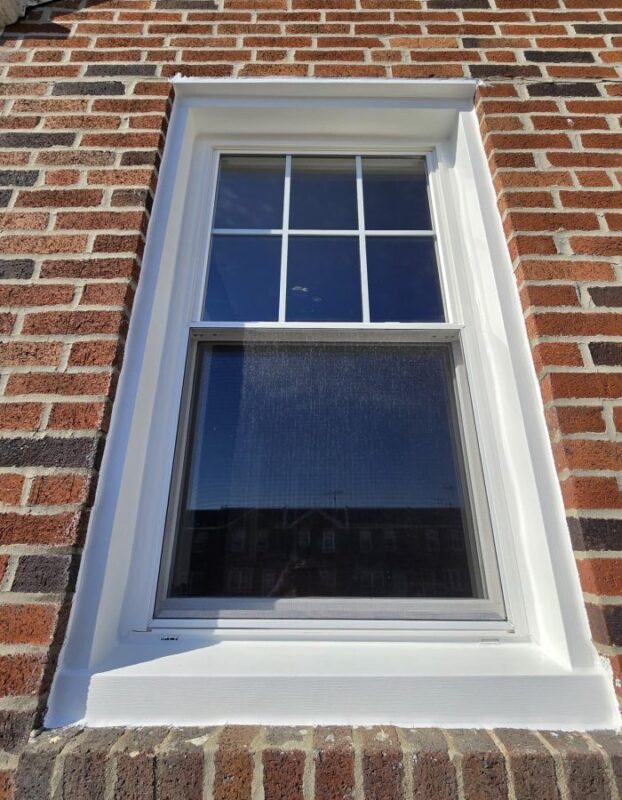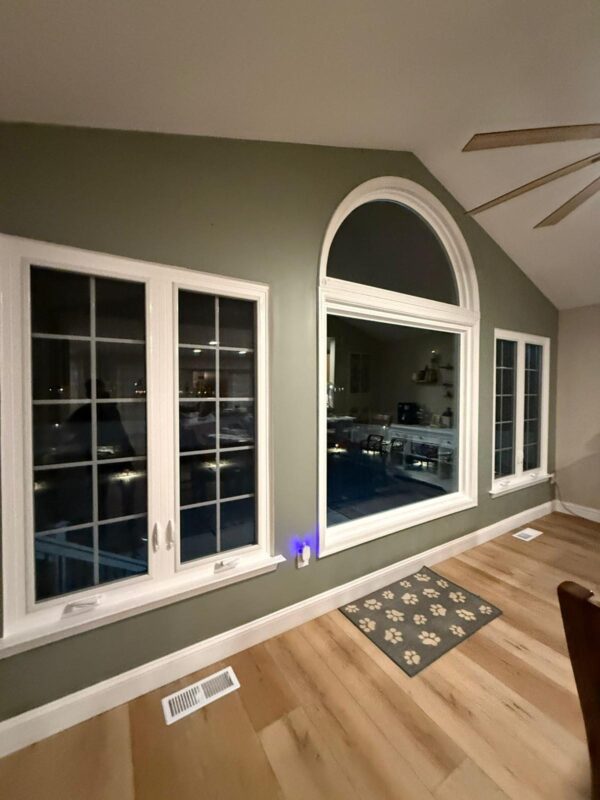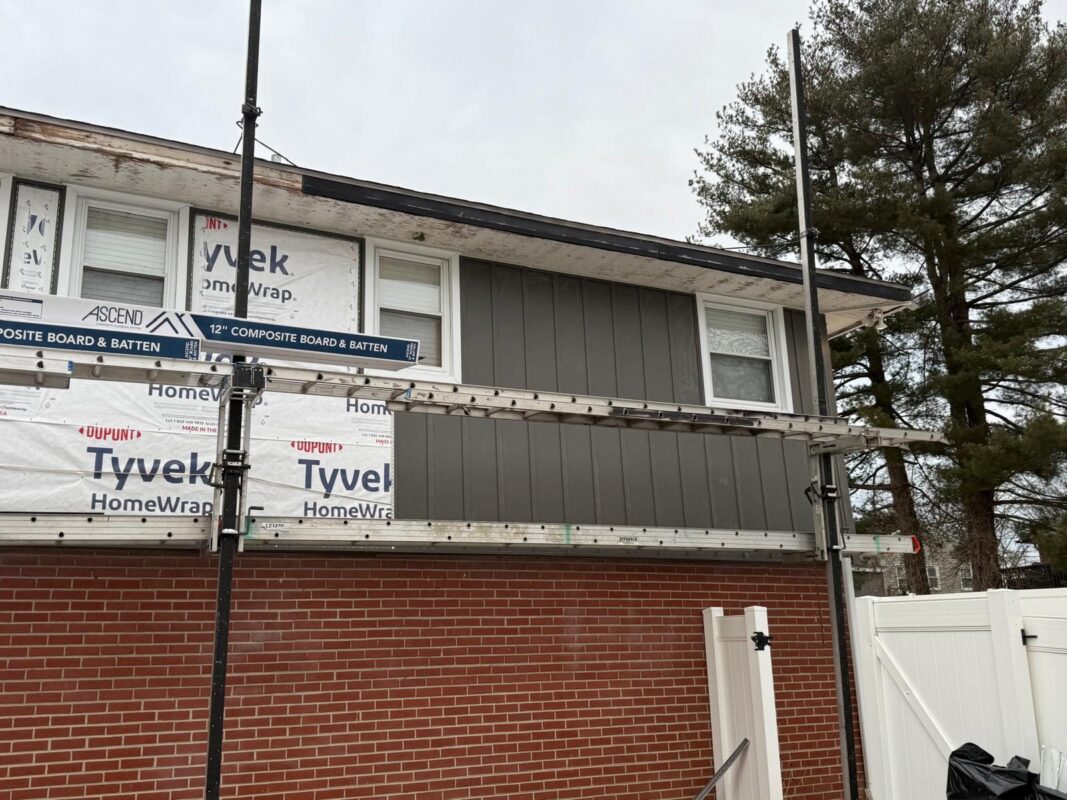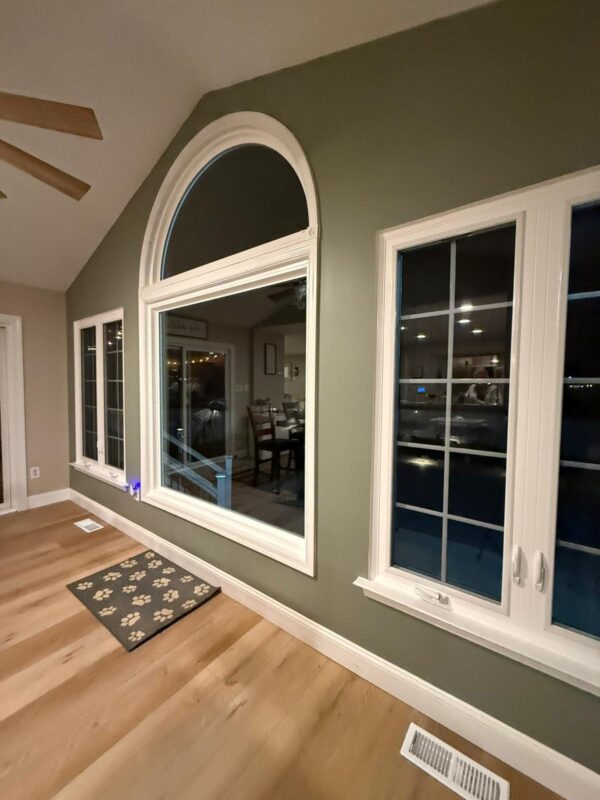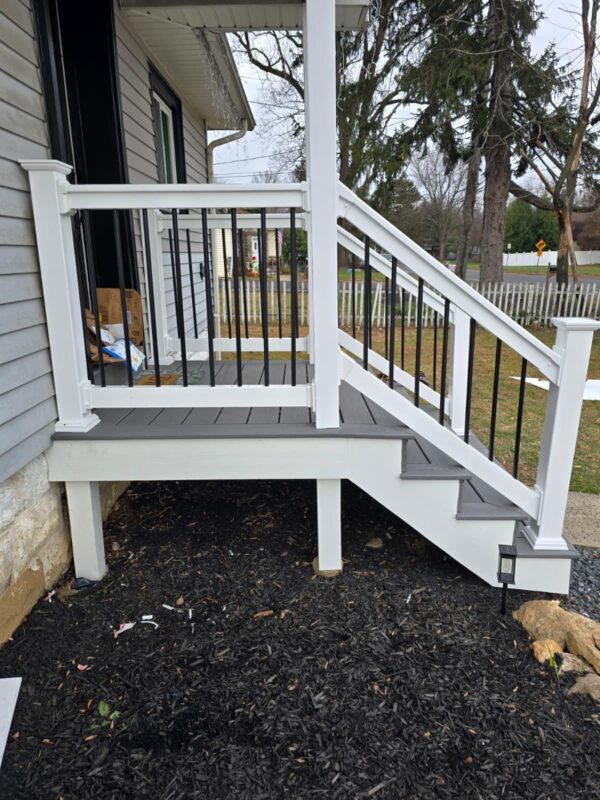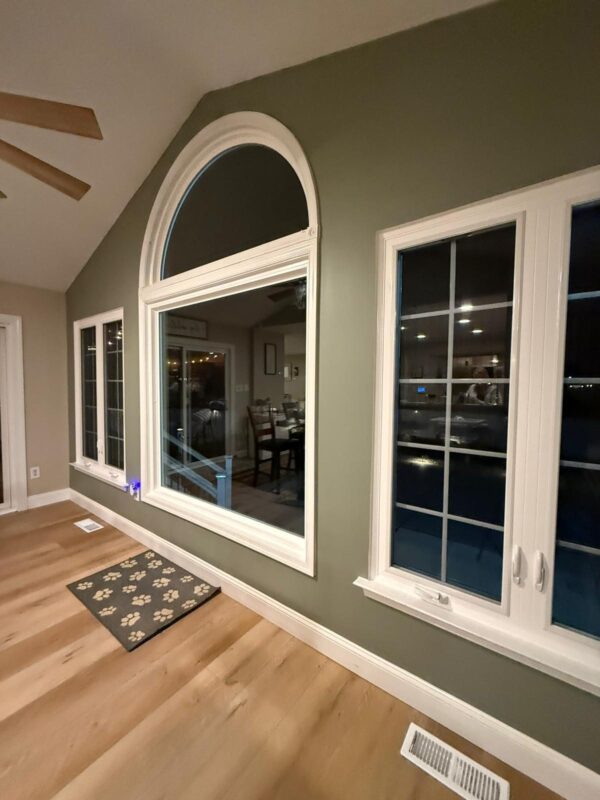
Homeowners planning exterior renovations across the Tri State Area quickly discover that project costs vary by location. A window replacement quote in Bucks County, Pennsylvania may differ from a similar project in Burlington County, New Jersey, or New Castle County, Delaware. These differences stem from permit fees, labor markets, material delivery zones, and state-specific contractor licensing requirements rather than quality or scope.
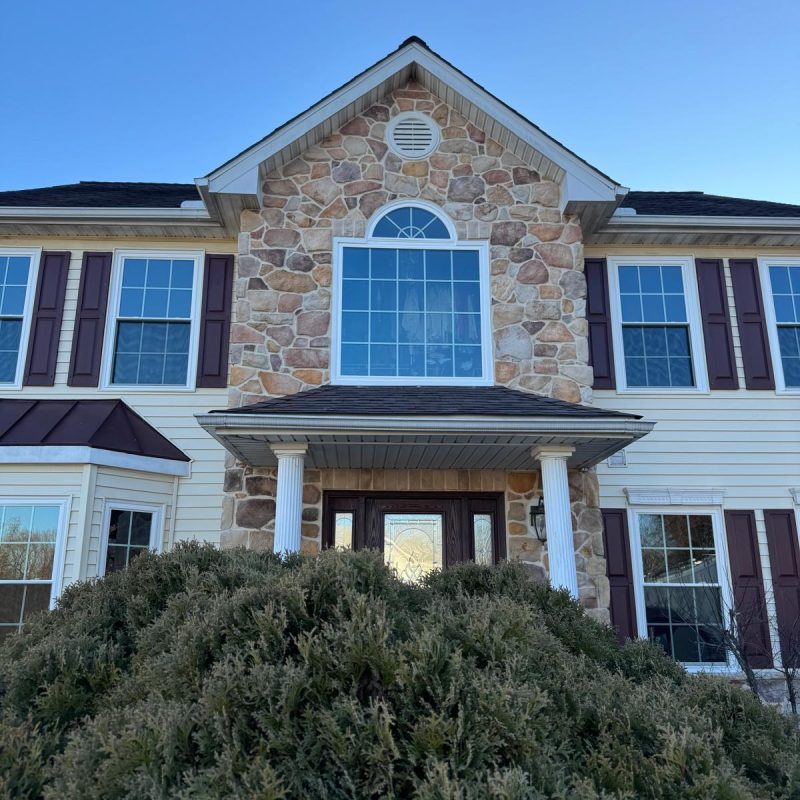
Understanding regional cost factors helps property owners compare estimates accurately and budget for projects like window replacement Tri State Area, siding renovation Tri State Area, or deck building Tri State Area installations. This guide breaks down how Pennsylvania, New Jersey, and Delaware regulations and market conditions influence final project pricing.
Pennsylvania Exterior Remodeling Cost Factors
Pennsylvania’s Home Improvement Consumer Protection Act requires contractors to register with the state Attorney General and maintain specific insurance coverage. Compliance costs for PA HIC registration and insurance requirements influence contractor pricing structures across Bucks County and nearby areas.
Permit Requirements in Pennsylvania
Pennsylvania townships handle building permits at the local level. Bucks County municipalities like Newtown, Yardley, and Bensalem each set their own permit fees and inspection schedules. Window replacement projects typically require permits when changing opening sizes or structural framing. Door replacement Tri State Area work follows similar rules when modifying headers or load-bearing elements.
Permit fees in Bucks County townships typically range from minimal amounts for simple replacements to higher fees for structural changes. Inspection requirements add timeline considerations rather than substantial cost increases. Contractors familiar with local building departments streamline the approval process, reducing project delays.
Material Delivery Logistics in Pennsylvania
Langhorne’s central location in Bucks County provides efficient access to major material suppliers serving the Philadelphia suburbs. Contractors based in Pennsylvania often secure better delivery schedules and reduced freight charges compared to out-of-state companies serving the same area.
Bulk material purchases for window door siding installation Tri State Area projects benefit from Pennsylvania’s distribution network. Vinyl siding, fiber cement panels, and lumber shipments arrive faster with lower surcharges when the contractor maintains established supplier relationships within the state.
New Jersey Exterior Remodeling Cost Factors
New Jersey’s Contractors Registration Act requires home improvement contractors to register with the Division of Consumer Affairs and maintain specific bonding. The NJ HIC registration process and bonding requirements create baseline compliance costs that influence contractor pricing across Mercer County, Burlington County, and other southern New Jersey areas.
Permit Requirements in New Jersey
New Jersey municipalities enforce the Uniform Construction Code through local construction officials. Permit applications for exterior work require more documentation than Pennsylvania equivalents in many jurisdictions. Window replacement, framing renovation Tri State Area projects, and siding installations all trigger UCC permit requirements.
Construction permit fees in New Jersey typically exceed Pennsylvania rates for comparable projects. The state’s more centralized code enforcement system creates consistency across jurisdictions but adds administrative costs. Inspection schedules often require multiple site visits, extending project timelines compared to Pennsylvania townships.
Labor Market Considerations in New Jersey
Southern New Jersey’s labor market connects to both the Philadelphia metro area and the broader New Jersey construction industry. Prevailing wage considerations and competition for skilled trades influence contractor labor costs. The state’s higher cost of living compared to much of Pennsylvania affects crew wages and overhead expenses.
Contractors serving Burlington County and Mercer County balance Pennsylvania material sourcing with New Jersey labor rates. Projects requiring specialized trades like framing building Tri State Area work or structural modifications may see greater cost variation based on crew availability during peak construction seasons.
Delaware Exterior Remodeling Cost Factors
Delaware requires contractors performing home improvement work exceeding specific thresholds to register with the Division of Revenue and maintain general liability insurance. The state’s smaller geographic footprint and concentrated population in New Castle County create distinct market dynamics compared to Pennsylvania and New Jersey.
Permit Requirements in Delaware
Delaware’s building permit system operates through county and municipal building departments. New Castle County, covering most of northern Delaware’s residential areas, maintains its own permit fee schedule and inspection protocols. Projects like deck renovation Tri State Area work, window installations, and siding replacements require permits based on scope and structural impact.
Permit fees in Delaware generally fall between Pennsylvania and New Jersey rates. The state’s streamlined approval process for routine exterior work often results in faster permit turnaround compared to New Jersey jurisdictions. Inspection requirements focus on safety and code compliance without excessive documentation demands.
Material Delivery and Market Competition
Delaware’s position as a small state creates unique material delivery considerations. Contractors serving New Castle County often source materials from Pennsylvania or Maryland suppliers. Delivery fees depend on whether the contractor maintains relationships with distributors treating Delaware as part of a regional delivery zone or charges premium rates for out-of-territory shipments.
The smaller contractor pool in Delaware compared to southeastern Pennsylvania means less market competition for some specialty services. Custom shed building Tri State Area projects or complex structural work may command premium pricing when fewer licensed contractors bid on the work. However, Delaware’s lack of state sales tax on most goods provides material cost savings that partially offset other regional pricing factors.
Comparing Costs Across State Lines
A typical exterior remodeling project involves multiple cost components that shift based on state location. Breaking down how each factor changes across Pennsylvania, New Jersey, and Delaware clarifies regional pricing patterns.
Licensing and Insurance Compliance Costs
Pennsylvania’s PA HIC registration, New Jersey’s bonding requirements, and Delaware’s contractor registration each impose different compliance costs. Contractors operating across state lines must maintain all applicable registrations and insurance policies, spreading these overhead expenses across their project portfolio.
Multi-State Coverage: Contractors licensed and insured in all three states demonstrate established business operations and commitment to regulatory compliance. This multi-state capability provides continuity when projects span state borders or homeowners relocate within the region.
For homeowners comparing quotes, contractor registration verification confirms legitimate business status. Pennsylvania residents can check PA HIC status through the Attorney General website. New Jersey homeowners verify NJ HIC registration through Consumer Affairs. Delaware property owners confirm contractor registration through the Division of Revenue.
Permit Fees and Timeline Impact
Permit costs represent a small percentage of total project expense but signal broader regulatory differences. New Jersey’s higher permit fees and more extensive documentation requirements extend project timelines compared to Pennsylvania townships or Delaware counties. These timeline extensions translate to labor costs as crews manage longer project schedules.
| Cost Factor | Pennsylvania | New Jersey | Delaware |
|---|---|---|---|
| Permit Process | Township level, variable fees | UCC centralized, higher fees | County level, moderate fees |
| Inspection Requirements | Minimal for standard work | Multiple required visits | Standard code compliance |
| Timeline Impact | Shortest approval cycles | Longest documentation needs | Moderate processing time |
| Contractor Licensing | PA HIC registration required | NJ HIC with bonding required | DE registration for larger projects |
Material Sourcing and Delivery Logistics
Pennsylvania’s robust distribution network serving the Philadelphia suburbs provides baseline pricing for materials like vinyl siding, replacement windows, composite decking, and lumber. Contractors based in Bucks County access this supply chain efficiently, keeping delivery costs low for local projects.
New Jersey projects in Burlington and Mercer counties benefit when contractors source materials from the same Pennsylvania suppliers, adding modest delivery fees. Delaware projects in New Castle County face similar logistics, with delivery costs depending on whether the supplier includes Delaware in standard service areas.
The actual material cost differences across state lines remain minimal for most products. A specific vinyl siding profile or window model costs the same from the manufacturer regardless of installation location. Delivery logistics and local availability drive any regional pricing variation.
Project-Specific Cost Considerations
Different exterior remodeling projects encounter distinct regional cost factors based on their scope, material requirements, and labor intensity.
Window and Door Replacement Projects
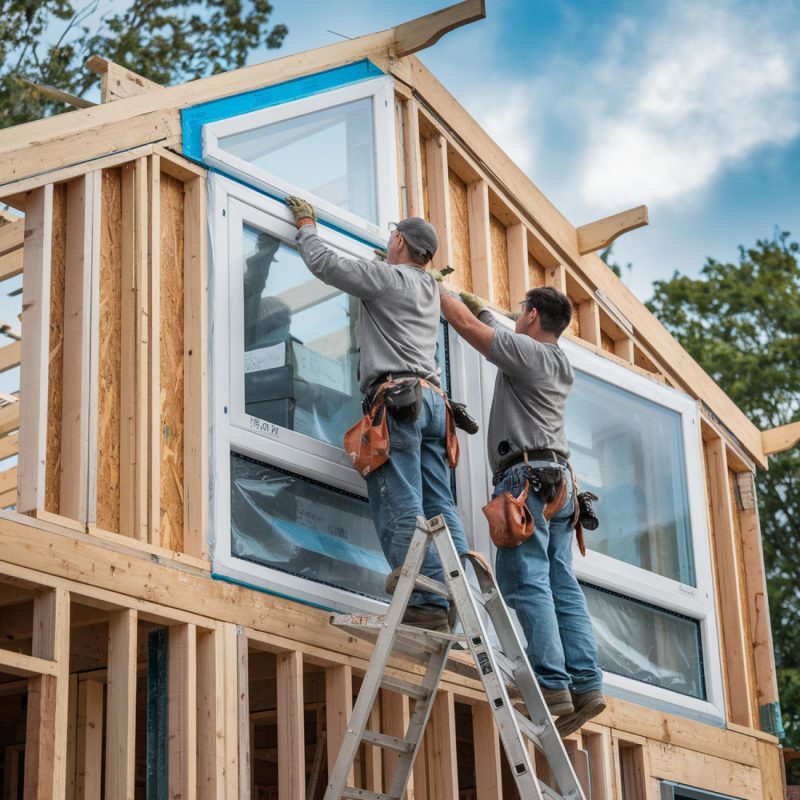
Window replacement work involves similar labor across all three states once material arrives on site. Cost differences stem from permit requirements and delivery logistics rather than installation techniques. Pennsylvania townships with minimal permit requirements for like-for-like replacements reduce total project cost compared to New Jersey municipalities requiring full UCC permit applications.
Entry door installations follow similar patterns. When door replacement Tri State Area projects modify structural openings or install new doors in different locations, permit requirements intensify across all states. New Jersey’s documentation requirements add administrative time that translates to slightly higher project costs.
Siding Installation and Renovation
Full home siding replacement represents a material-intensive project where delivery logistics significantly impact cost. Pennsylvania contractors serving Langhorne, Newtown, and surrounding areas benefit from proximity to major distribution centers. Bulk vinyl or fiber cement siding shipments arrive with minimal freight surcharges.
New Jersey projects may incur higher delivery fees when suppliers charge premium rates for Burlington or Mercer County addresses. Delaware homeowners in New Castle County face similar considerations. Contractors who pre-negotiate regional delivery rates across all three states provide more consistent pricing regardless of project location.
Deck Building and Renovation
Deck projects involve substantial lumber or composite material purchases plus structural fasteners, ledger boards, and railing systems. Pennsylvania’s lumber supply network serves the Tri State area efficiently, with Bucks County contractors accessing competitive wholesale pricing.
Permit requirements for decks vary by height, size, and attachment to the main structure. All three states require permits for most deck construction, but inspection protocols differ. New Jersey’s more rigorous inspection schedule may add cost through extended crew time on site for multiple inspection visits.
Deck building Tri State Area contractors experienced with regional requirements streamline the permit and inspection process. Their familiarity with building officials across Pennsylvania, New Jersey, and Delaware reduces delays that drive up labor costs.
Structural Framing and Additions
Framing work for additions, dormers, or structural modifications requires engineering documentation and comprehensive permits across all three states. New Jersey’s Uniform Construction Code imposes the most extensive documentation requirements, potentially requiring sealed engineering drawings for structural changes that Pennsylvania townships might approve with contractor-prepared plans.
The specialized labor required for residential framing PA NJ DE projects faces similar wage rates across the region, with modest variations based on local market conditions. Material costs for dimensional lumber, engineered lumber, and structural connectors remain consistent regardless of state, driven by national commodity markets rather than local factors.
Understanding Total Project Cost Components
Breaking down a typical exterior remodeling estimate reveals how state-specific factors influence each line item.
Labor Cost Variations
Labor represents the largest project cost component for most exterior remodeling work. Skilled trades like carpenters, siding installers, and window technicians command similar hourly rates across the Tri State area, with modest premiums in New Jersey’s higher cost-of-living market.
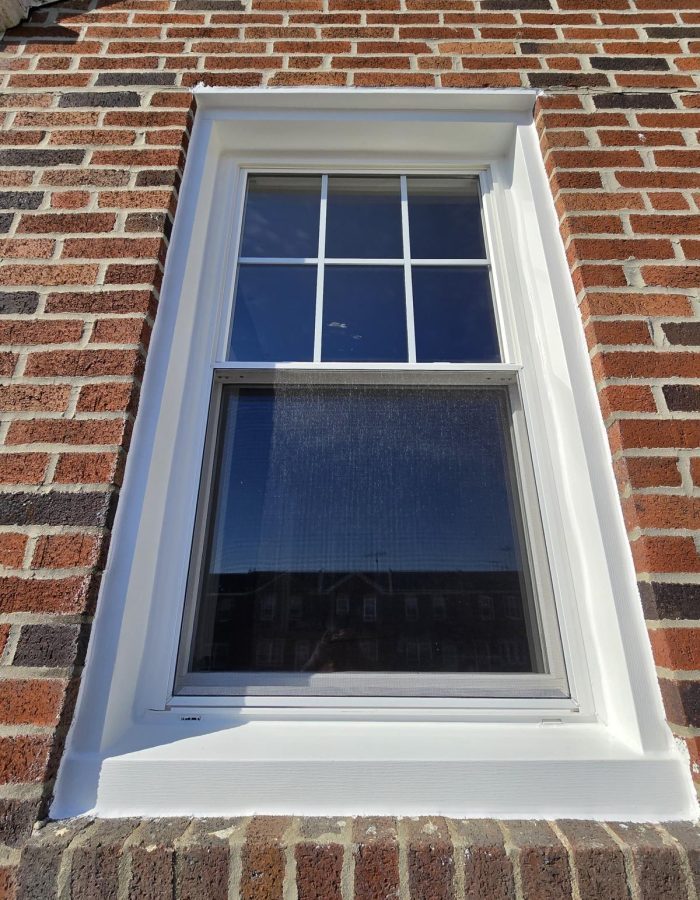
Project timeline directly affects total labor cost. Permit delays, inspection scheduling, and material delivery coordination all extend the calendar period crews remain assigned to a project. New Jersey’s more complex permitting process tends to extend timelines compared to Pennsylvania townships, translating to incrementally higher labor costs even when hourly rates remain comparable.
Material Cost Consistency
The actual cost of materials like windows, doors, siding panels, decking boards, and framing lumber remains remarkably consistent across Pennsylvania, New Jersey, and Delaware. Manufacturers set wholesale pricing regionally rather than by individual states, and most Tri State area contractors access the same supplier networks.
Delivery fees represent the primary material cost variable. Contractors based in Pennsylvania serving New Jersey or Delaware projects may pass through higher delivery charges. Multi-state contractors who’ve negotiated flat delivery zones covering the entire Tri State area eliminate this cost variable, providing consistent material pricing regardless of project location.
Permit and Administrative Costs
Permit fees, inspection charges, and administrative overhead for regulatory compliance represent a small but measurable project cost component. These costs scale with project complexity rather than size, meaning smaller projects see permit fees consume a larger percentage of total cost compared to extensive renovations.
Pennsylvania’s decentralized township system creates the widest permit cost variation, with some municipalities charging minimal fees while others assess permits based on project value. New Jersey’s centralized UCC system produces more predictable permit costs but generally at higher levels than Pennsylvania. Delaware’s county-level approach falls between these extremes.
Selecting a Contractor for Multi-State Projects
Homeowners in border areas or managing properties in multiple states benefit from contractors holding licenses and insurance coverage across Pennsylvania, New Jersey, and Delaware. Multi-state capability demonstrates established operations and eliminates concerns about out-of-territory contractors unfamiliar with local requirements.
Contractors like Santos Replacement Langhorne maintain Pennsylvania HIC, New Jersey HIC, and Delaware registration to serve the entire Tri State area. This licensing portfolio confirms compliance with each state’s contractor regulations and insurance requirements. Single project managers handling work across state lines provide continuity and eliminate coordination issues between multiple contractors.
When comparing estimates from contractors based in different states, verify their registration status in the state where the project will occur. A Pennsylvania contractor must hold NJ HIC registration to legally perform work in New Jersey, even if their Pennsylvania credentials are current. Similarly, Delaware projects require appropriate Delaware contractor registration regardless of the contractor’s home state.
Questions to Ask Tri State Contractors
Before requesting estimates, confirm contractor qualifications across relevant states:
- Do you hold active PA HIC, NJ HIC, and/or Delaware contractor registration for the states where you work?
- Can you provide registration numbers for verification with state agencies?
- Do you maintain general liability insurance coverage across all three states?
- How do you handle permit applications in different jurisdictions?
- Do you use the same project manager across state lines or hand off between regional teams?
These questions identify contractors with genuine multi-state capabilities versus companies claiming Tri State coverage while subcontracting work across state borders. Direct employment of crews and single point-of-contact project management produces more consistent results than fragmented multi-contractor approaches.
Planning Your Tri State Exterior Remodeling Budget
Accurate budget planning accounts for regional cost factors while maintaining flexibility for project-specific variables. Homeowners benefit from understanding how state location influences final pricing without overemphasizing these differences.
Obtaining Comparable Estimates
Request estimates from contractors licensed in the state where work will occur. Comparing a Pennsylvania contractor’s Pennsylvania quote against a New Jersey contractor’s New Jersey quote introduces variables beyond project scope. Instead, seek quotes from multi-state contractors who can bid consistently regardless of location, or from contractors experienced in the specific state where the project will occur.
Detailed estimates break down labor, materials, permits, and project management separately. This transparency reveals where regional cost differences appear versus which components remain consistent across states. Lump-sum bids obscure these distinctions, making it difficult to assess whether pricing differences reflect legitimate regional factors or contractor markup strategies.
Timeline and Seasonal Considerations
Project timelines vary by state based on permit processing speed and inspection scheduling. Pennsylvania townships often approve routine permits within days, while New Jersey UCC applications may require weeks. Delaware’s county-level system typically processes permits faster than New Jersey but slower than Pennsylvania’s most efficient townships.
These timeline differences affect project scheduling and may influence seasonal pricing. Spring and summer represent peak construction seasons across the Tri State area, with contractors booking schedules months in advance. Projects requiring extended permit timelines may miss optimal weather windows if started late in the season.
Off-season scheduling in fall or winter sometimes provides cost advantages as contractor demand decreases. However, weather-dependent exterior work faces installation challenges during cold months. Balancing seasonal pricing with practical installation considerations requires discussing timeline options with contractors during the estimate phase.
Long-Term Cost Considerations
Beyond initial installation costs, exterior remodeling projects generate long-term value through energy efficiency, reduced maintenance, and improved home value. These benefits accrue regardless of state location, though specific advantages may vary based on regional climate and real estate markets.
Energy Efficiency Returns
Window and door replacement projects throughout the Tri State area reduce heating and cooling costs year-round. Pennsylvania’s cold winters and New Jersey’s hot summers both stress building envelopes, making energy-efficient windows valuable across both states. Delaware’s moderate climate still benefits from improved thermal performance, though annual savings may differ slightly from northern locations.
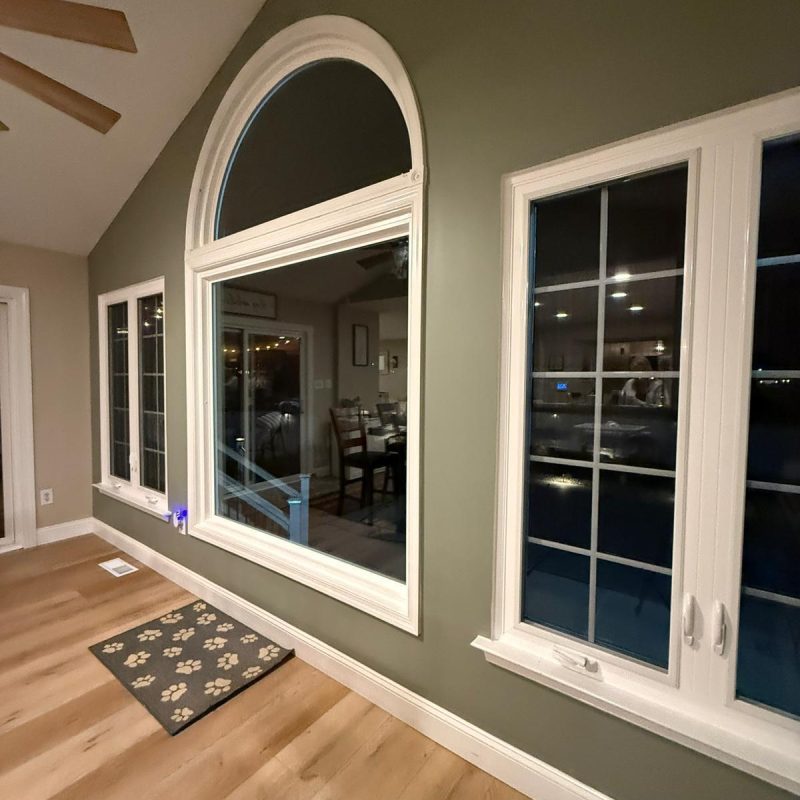
Utility cost savings from energy-efficient windows compound over decades, often recovering a significant portion of initial installation costs. The percentage varies based on existing window condition, home insulation levels, and HVAC system efficiency. However, the fundamental value of reduced energy consumption applies consistently across Pennsylvania, New Jersey, and Delaware.
Maintenance Cost Reduction
Vinyl and fiber cement siding eliminate periodic painting and wood repair associated with older wood siding. This maintenance reduction generates ongoing cost savings that accumulate over the decades-long lifespan of modern siding systems. The humid summers common across the Tri State area accelerate wood deterioration, making low-maintenance siding particularly valuable throughout Pennsylvania, New Jersey, and Delaware.
Composite decking similarly reduces maintenance demands compared to traditional wood decks requiring annual staining or sealing. While composite materials carry higher upfront costs, the elimination of recurring maintenance expenses shifts the cost equation over a deck’s 25-plus-year lifespan. This long-term calculation remains consistent across all three states.
Property Value Enhancement
Real estate markets throughout the Tri State area reward well-maintained exteriors and updated home systems. New windows, fresh siding, and quality decks enhance curb appeal and reduce buyer concerns about deferred maintenance. While specific value increases depend on local market conditions, the fundamental principle that exterior improvements support property value applies across Pennsylvania, New Jersey, and Delaware.
Bucks County’s strong residential market, Burlington County’s growing communities, and New Castle County’s proximity to Wilmington and Philadelphia all demonstrate how exterior improvements support home values. Sellers benefit from the visual impact of exterior updates, while buyers appreciate move-in-ready properties without immediate renovation needs.
For comprehensive information about exterior project planning across the region, consult our complete guide to exterior remodeling in the Tri State Area, which covers project sequencing, contractor selection, and regional considerations in detail.
Working with a Licensed Tri State Contractor
Santos Replacement maintains Pennsylvania HIC, New Jersey HIC, and Delaware contractor registration to serve homeowners throughout the Tri State area. The company’s Langhorne, Pennsylvania base provides efficient access to Bucks County, Philadelphia suburbs, southern New Jersey, and northern Delaware.
Single project managers handle each project from initial consultation through final inspection, maintaining continuity regardless of state location. The team coordinates permit applications with local building departments across Pennsylvania townships, New Jersey municipalities, and Delaware counties, streamlining approval processes and reducing project delays.
Free in-home estimates provide detailed cost breakdowns including materials, labor, permits, and project management. This transparency helps homeowners understand how regional factors influence pricing while comparing options across different project scopes and material selections.
Frequently Asked Questions
Why do exterior remodeling costs differ between Pennsylvania, New Jersey, and Delaware?
Cost variations stem from state-specific permit fees, contractor licensing requirements, inspection protocols, and material delivery logistics rather than differences in material quality or installation techniques. New Jersey’s Uniform Construction Code typically requires more documentation than Pennsylvania’s township-level system, while Delaware’s county-based approach falls between these extremes. Labor markets and cost of living also influence contractor overhead and crew wages across the three states.
Do I need to hire a contractor licensed in the specific state where my project is located?
Yes. Pennsylvania requires PA HIC registration for contractors performing home improvement work. New Jersey mandates NJ HIC registration with bonding. Delaware requires contractor registration for projects exceeding specific thresholds. A contractor licensed in one state cannot legally perform work in another state without obtaining that state’s required registrations. Multi-state contractors hold licenses in all states where they operate.
How do permit requirements differ for window replacement across PA, NJ, and DE?
Pennsylvania townships set individual permit requirements, with many allowing like-for-like window replacements without permits. New Jersey’s Uniform Construction Code requires permits for most window replacement work regardless of whether openings change size. Delaware’s county-level system typically requires permits for window replacement projects. All three states require permits when structural changes modify window openings or load-bearing elements.
Does material cost vary significantly between the three states?
Material costs remain remarkably consistent across Pennsylvania, New Jersey, and Delaware because manufacturers set regional wholesale pricing rather than state-specific rates. Most contractors access the same supplier networks serving the greater Philadelphia region. The primary variable is delivery fees, which depend on whether suppliers include specific areas in standard delivery zones or charge premium rates for certain locations. Delaware’s lack of sales tax on most goods provides modest savings on material purchases.
What should I look for when comparing estimates from contractors in different Tri State locations?
Verify that contractors hold required licenses for the state where work will occur. Request detailed estimates breaking down labor, materials, permits, and project management separately to identify where regional differences appear. Compare project timelines accounting for permit processing speed in each state. Ask whether the same project manager and crews will handle the work or if the company subcontracts across state lines. Multi-state contractors with direct employees typically provide more consistent service than companies coordinating multiple regional subcontractors.
Schedule Your Tri State Area Exterior Remodeling Consultation
Understanding regional cost factors helps homeowners budget accurately for window replacement, siding installation, door replacement, deck building, and other exterior projects across Pennsylvania, New Jersey, and Delaware. While permit requirements and administrative processes vary by state, the fundamental value of quality materials and professional installation remains consistent throughout the Tri State area.
Santos Replacement provides free in-home estimates for homeowners throughout Bucks County, Pennsylvania, southern New Jersey, and northern Delaware. The team discusses project goals, reviews material options, and provides detailed cost breakdowns accounting for all regional requirements. Single project managers maintain continuity from estimate through final inspection, coordinating permits and inspections across state lines.
Contact Santos Replacement to schedule a free consultation for your exterior remodeling project. The company’s multi-state licensing and regional experience helps homeowners navigate cost factors while planning window, door, siding, deck, and framing projects throughout the Tri State area.