Homeowners across Bucks County, Philadelphia suburbs, Mercer County, Burlington County, and New Castle County face wind, hail, ice, and fallen tree damage every season. Filing an insurance claim and securing accurate repair estimates often determines whether the restoration happens quickly or drags into months of delay. A licensed and insured exterior contractor who understands carrier documentation requirements, supplemental estimates, and code compliance shortens the timeline from loss to final certificate of completion.
Santos Replacement serves as the single project manager for storm damage projects in the Tri State Area, coordinating structural framing, window replacement, siding renovation, and deck repair with adjuster inspections and carrier approvals. The team carries Pennsylvania HIC, New Jersey HIC, and Delaware contractor licenses, allowing uninterrupted work across state lines when a single storm system impacts multiple counties.
Common Storm Damage Scenarios in the Tri State Region
Each weather event creates distinct failure modes that require specific documentation and repair methods:
- Wind damage to siding and trim: Gusts above 50 mph lift vinyl panels, tear off aluminum soffit, and crack fiber cement boards. Adjusters look for creased panels, missing J-channel, and exposed sheathing as proof of wind direction and force.
- Hail impact on windows and doors: Ice balls larger than one inch chip glass, dent aluminum cladding, and crack composite entry doors. Insurance carriers require diameter measurements, impact counts per square foot, and photos showing screen damage or broken seals.
- Fallen tree and branch strikes: Limbs puncture roofs, shear deck railings, and crush window frames. Adjusters measure the diameter of the fallen wood, document the point of impact, and verify that structural framing beneath siding or roof sheathing remains sound.
- Ice dam water intrusion: Freezing and thawing cycles force water under shingles, through window flashing, and into wall cavities. Carriers investigate whether the damage stems from an isolated event or deferred maintenance, which shifts liability.
Each scenario requires photographs taken before debris removal, measurements recorded while damage remains visible, and written descriptions linking the weather event to the structural failure. Contractors who document losses immediately after the storm provide adjusters with the evidence needed to approve the initial estimate without requiring a second site visit.
Working With Insurance Adjusters on Exterior Repairs
Adjusters follow carrier guidelines that define covered perils, depreciation schedules, and allowable repair methods. Homeowners who understand the process close claims faster and avoid out-of-pocket shortfalls.
Initial Inspection and Scope Agreement
The adjuster visits the property within three to ten days after the claim is filed, depending on the volume of claims in the region. The contractor should attend this inspection to point out hidden damage, explain code upgrade requirements, and confirm that the scope covers all affected components. When wind lifts siding on the south elevation, for example, the contractor checks whether underlying sheathing or house wrap also needs replacement. Adjusters often write initial estimates based on visible damage alone, then issue supplemental approvals as concealed issues emerge during demolition.
Code Compliance and Upgrade Costs
Pennsylvania, New Jersey, and Delaware enforce updated building codes whenever repairs exceed a threshold percentage of the structure’s value. Window replacements require egress compliance in bedrooms, siding projects trigger energy code sheathing upgrades, and deck restorations must meet current railing height and baluster spacing rules. Some carriers cover code upgrades as part of the claim, while others require the homeowner to pay the difference between the damaged component’s original installation and the code compliant replacement. The contractor’s estimate should itemize code related line items separately so the adjuster can present them to the carrier’s underwriting team.
Depreciation Holdback and Final Payment
Most carriers issue two payments: an initial check covering actual cash value (replacement cost minus depreciation) and a final check releasing the held depreciation once work is complete and inspected. The contractor provides a certificate of completion, final invoice, and photographs of the finished repair to trigger the depreciation release. Homeowners who delay scheduling the work risk policy expiration or claim closure, forfeiting the depreciation holdback permanently.
Scope of Exterior Storm Damage Services
A full service contractor handles multiple trades under a single project manager, reducing coordination delays and ensuring that flashing, trim, and structural details integrate correctly across window, siding, and framing repairs.
Window and Door Replacement After Impact or Water Intrusion
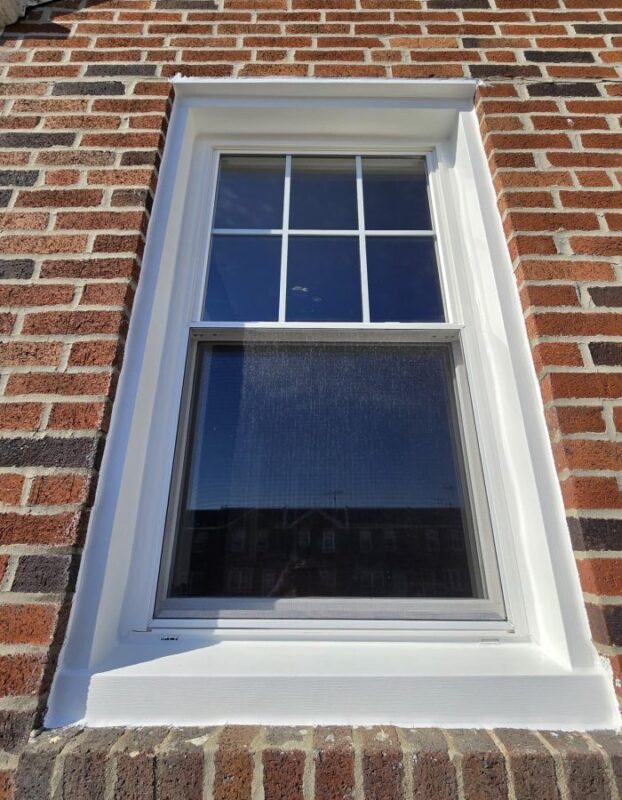
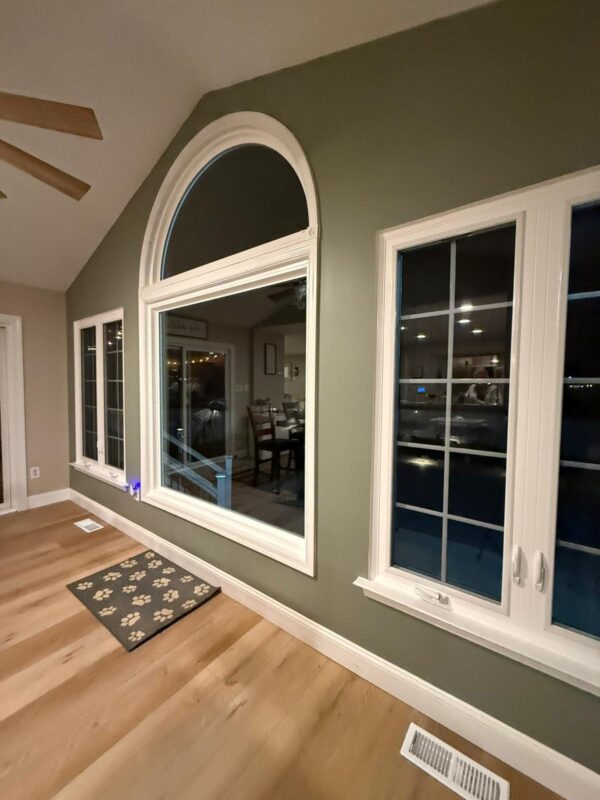
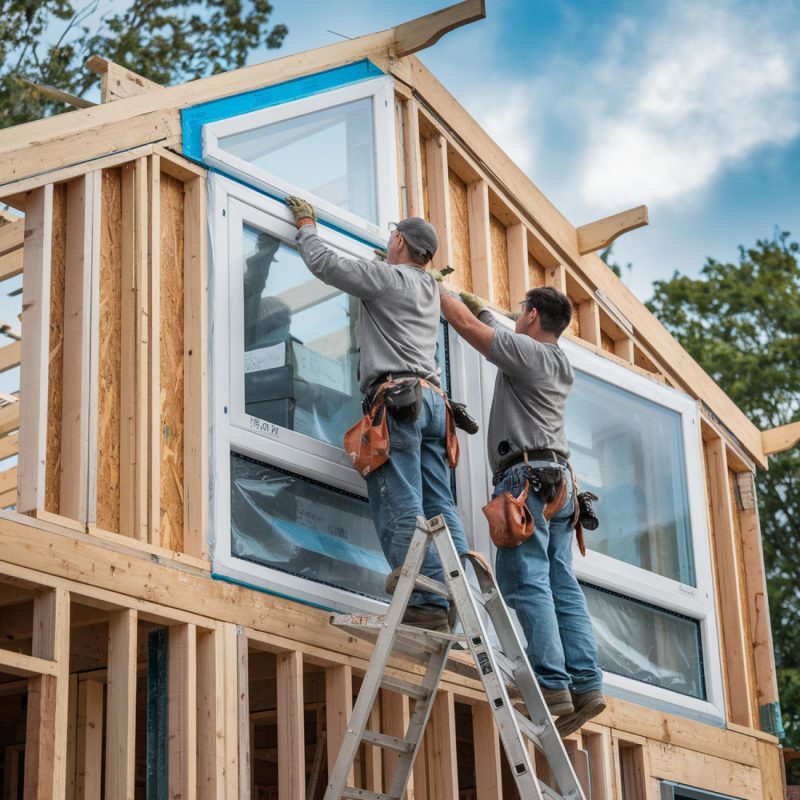
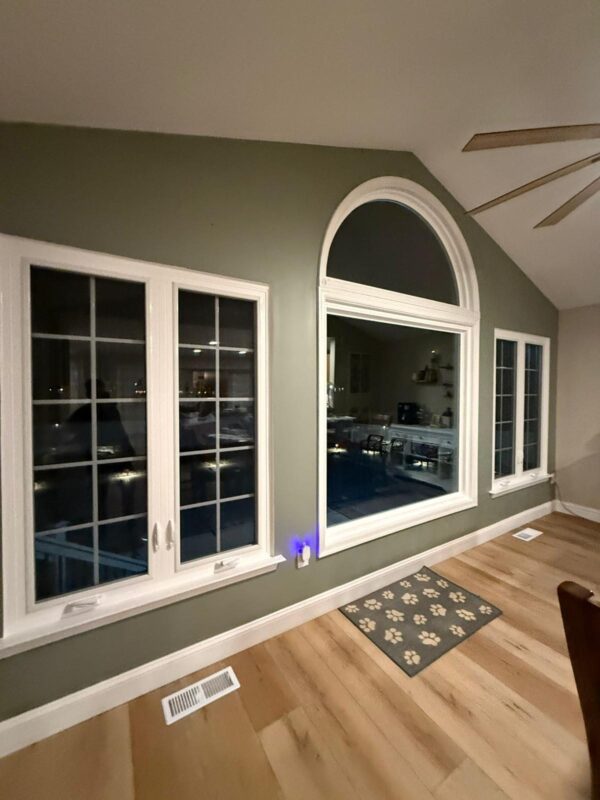
Broken glass, damaged frames, and compromised weatherstripping require complete unit replacement when repair would leave visible defects or void manufacturer warranties. The contractor removes the old window, inspects the rough opening for rot or mold, installs new flashing integrated with the weather resistant barrier, sets the replacement unit level and square, insulates the gap with low expansion foam, and applies exterior trim that matches the existing siding profile. Entry door installation follows the same sequence, with added attention to threshold height, lock bore alignment, and hinge reinforcement to meet insurance carrier security standards.
Siding and Trim Restoration
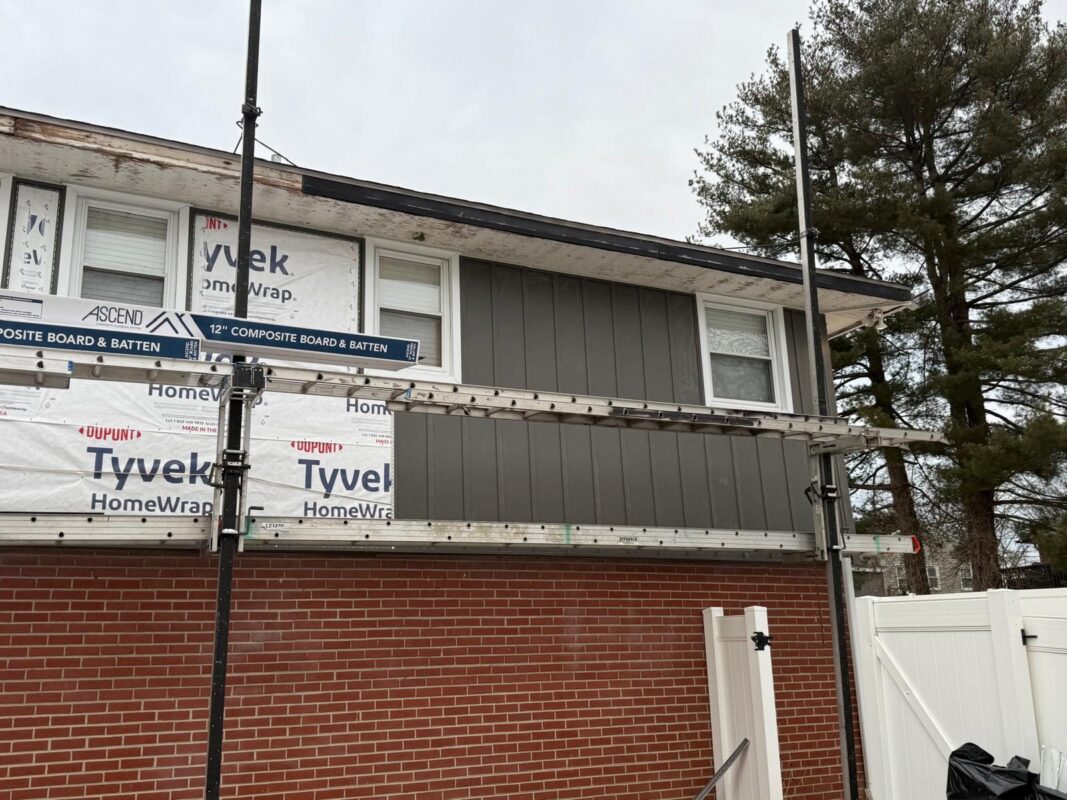
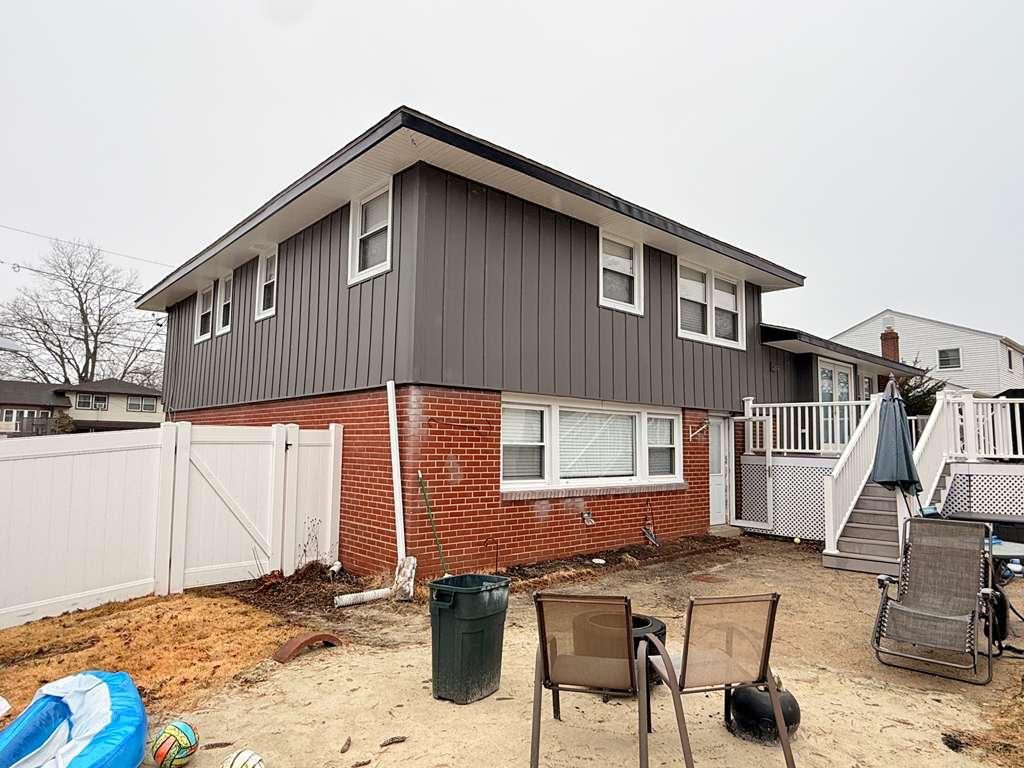
Wind and hail damage often affects multiple elevations, requiring partial or full home siding replacement to maintain color match and panel alignment. The contractor removes damaged sections, inspects sheathing for water stains or soft spots, replaces rotted areas, wraps the exterior with house wrap or rigid foam depending on energy code requirements, and installs new siding with proper J-channel, starter strip, and corner trim. Fiber cement, vinyl, and engineered wood siding each carry different installation requirements that impact flashing details and fastener schedules. Adjusters approve material upgrades when the original product is discontinued or when matching existing faded siding proves impossible.
Deck Repair and Structural Reinforcement
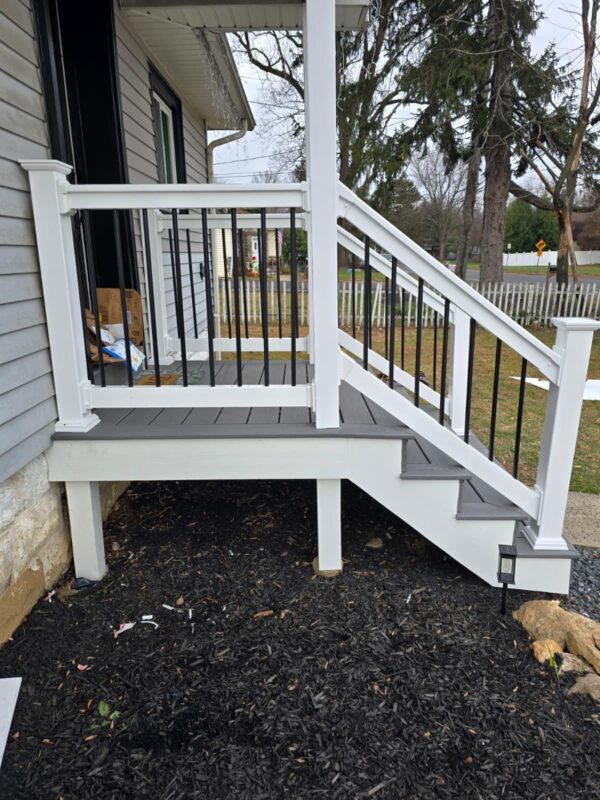
Fallen trees crush deck boards, snap joists, and shift ledger attachments, creating safety hazards that require immediate attention. The contractor evaluates whether the damage is limited to decking and railings or extends into the structural framing and foundation. Localized board replacement costs less than rebuilding the entire deck, but insurance carriers approve full replacement when structural damage exceeds a certain percentage of the deck’s value. New deck construction after total loss follows current code for joist sizing, ledger flashing, post footings, and railing baluster spacing, often exceeding the original deck’s specifications.
Framing and Structural Repairs
Severe storms occasionally compromise load bearing walls, roof trusses, or floor joists, requiring licensed framing contractors to sister damaged members, install temporary supports, and obtain engineer stamped drawings before reconstruction begins. Adjusters require structural engineering reports when damage affects primary support systems, and most carriers cover the engineering fee as part of the claim. The contractor coordinates the engineer’s site visit, implements the repair plan, and schedules municipal inspections to close the permit and release final insurance payment.
Choosing a Licensed Contractor for Insurance Work
Carrier approved vendor lists and online directories provide starting points, but homeowners benefit from verifying credentials, insurance coverage, and claim experience before signing a contract.
| Credential | Why It Matters for Storm Claims |
|---|---|
| PA HIC License | Required for any project over a nominal threshold in Pennsylvania; adjusters verify license status before approving contractors. |
| NJ HIC Registration | New Jersey enforces registration for home improvement work; unlicensed contractors cannot pull permits or issue warranties recognized by carriers. |
| DE Contractor License | Delaware requires state licensure for structural, siding, and window work; insurance companies confirm licensure during claim reviews. |
| General Liability Insurance | Protects the homeowner if the contractor causes additional damage during repair; carriers require certificate of insurance before work begins. |
| Workers Compensation | Covers crew injuries on site; without it, the homeowner’s policy may become liable for medical costs. |
Contractors who regularly handle insurance repairs understand carrier estimate formats, speak the adjuster’s language during inspections, and know which line items typically require supplemental approvals. A contractor unfamiliar with insurance protocols may under-document damage, omit code upgrades, or miss concealed issues, leaving the homeowner responsible for cost overruns.
Timeline and Process for Storm Damage Claims
The sequence from initial damage to final payment typically spans four to eight weeks, depending on material availability, permit processing, and adjuster responsiveness.
- Emergency mitigation (day one to three): Tarp damaged roofs, board broken windows, and remove standing water to prevent further loss. Carriers cover reasonable mitigation costs even before the adjuster arrives.
- Adjuster inspection (day three to ten): The carrier schedules the site visit, measures damage, and issues an initial estimate. The homeowner and contractor attend to ensure complete documentation.
- Estimate review and supplemental requests (day ten to fifteen): The contractor compares the adjuster’s scope to actual damage, identifies missing items, and submits a supplemental request with photos and justifications.
- Approval and contract signing (day fifteen to twenty): Once the carrier approves the full scope, the homeowner signs the contractor agreement and schedules the start date.
- Permit application and material ordering (day twenty to thirty): The contractor pulls local permits and orders windows, siding, or framing lumber. Lead times vary by product and season.
- Demolition and concealed damage inspection (day thirty to thirty-five): Removing damaged siding or windows often reveals sheathing rot, mold, or structural issues not visible during the initial inspection. The contractor photographs findings and submits a second supplemental estimate.
- Reconstruction and inspection (day thirty-five to fifty): The crew completes framing repairs, installs new windows and siding, and schedules the municipal final inspection.
- Certificate of completion and depreciation release (day fifty to sixty): The contractor provides the homeowner with final photos, paid invoices, and the inspection certificate. The homeowner submits these to the carrier to release held depreciation.
Delays occur when permits require engineering stamps, when materials go on backorder, or when adjusters take weeks to approve supplemental requests. Contractors who maintain regular communication with both the homeowner and the adjuster minimize these gaps.
Preventing Future Storm Damage Through Upgrades
Insurance claims offer an opportunity to improve the home’s resilience beyond simply restoring pre-loss conditions. Many carriers approve impact resistant materials, enhanced flashing systems, and code exceeding fastener schedules when the upgrade cost remains within a reasonable percentage above standard replacement.
Impact resistant windows: Laminated glass and reinforced frames reduce breakage during hail and wind borne debris events. Some carriers offer premium discounts for homes with certified impact windows.
High wind rated siding: Vinyl and fiber cement products tested to ASTM standards for wind uplift resist panel separation during storms. Proper fastening at code specified intervals further improves performance.
Hurricane ties and structural connectors: Simpson Strong-Tie and similar manufacturers produce metal brackets that connect rafters to walls, joists to beams, and ledgers to house framing, reducing the likelihood of separation during high wind events.
Improved flashing and drainage: Self-adhering membrane under window sills, kick-out flashing at roof-to-wall intersections, and properly lapped house wrap prevent water intrusion even when shingles or siding sustain damage.
Adjusters approve these upgrades more readily when the contractor includes manufacturer spec sheets, code references, and cost breakdowns in the supplemental estimate. Homeowners gain long-term protection and potential insurance discounts while the claim covers the majority of the expense.
Multi-Trade Coordination for Comprehensive Repairs
Storm damage rarely affects a single component in isolation. A fallen tree may break windows, dent siding, crush a deck railing, and shift roof sheathing, requiring coordinated window, door, and siding installation alongside structural framing repair. A single project manager who oversees carpentry, glazing, and exterior finishing ensures that flashing details integrate correctly, that trim profiles match across trades, and that the adjuster sees a unified scope rather than fragmented bids from multiple contractors.
Santos Replacement assigns one project manager from initial inspection through final certificate, eliminating the coordination burden from the homeowner and reducing the risk of miscommunication between the insurance carrier and the repair team. The project manager attends adjuster meetings, submits all supplemental requests, schedules municipal inspections, and provides the documentation required to release depreciation holdback.
Practical tip: Request a pre-repair meeting with your contractor and adjuster together on site. Walk through the scope line by line, confirm material specifications, and resolve any discrepancies before demolition begins. This single meeting prevents most mid-project disputes and supplemental delays.
Regional Considerations Across Pennsylvania, New Jersey, and Delaware
Each state enforces distinct permitting processes, contractor licensing rules, and building codes that affect storm damage repairs.
Pennsylvania: Bucks County townships issue permits through local building departments, each with unique inspection schedules and code interpretations. Contractors must verify whether the municipality has adopted the 2018 or 2021 International Residential Code, as energy and structural requirements differ. Pennsylvania Home Improvement Contractor registration is mandatory for projects above a nominal dollar threshold, and adjusters verify HIC status before approving estimates.
New Jersey: Mercer and Burlington County municipalities require HIC registration for nearly all exterior work. New Jersey enforces strict lead paint regulations on homes built before 1978, adding testing and containment costs to siding and window projects. Adjusters familiar with New Jersey claims typically approve lead-safe work practice line items without dispute.
Delaware: New Castle County requires state contractor licensure for framing, siding, and window installation. Delaware’s proximity to coastal storm tracks increases the frequency of wind and flood claims, and adjusters in the region expect contractors to provide wind-rated material certifications and coastal construction details even in inland areas.
A contractor licensed in all three states navigates these variations without requiring the homeowner to coordinate separate vendors or translate adjuster requirements across jurisdictions.
Conclusion
Storm damage repairs across the Tri State Area require licensed contractors who understand insurance carrier documentation, code compliance, and multi-trade coordination. Homeowners who involve a qualified exterior contractor during the adjuster’s initial inspection, document all concealed damage during demolition, and submit complete final paperwork maximize claim approvals and minimize out-of-pocket costs. Santos Replacement handles the full sequence from emergency mitigation through final inspection, serving Pennsylvania, New Jersey, and Delaware homeowners with a single project manager and unified scope.
Ready to file a claim or restore storm damaged windows, siding, decks, or framing? Contact Santos Replacement for a free inspection and insurance documentation support across the Tri State Area.
Frequently Asked Questions
How soon after a storm should I contact a contractor for damage inspection?
Contact a licensed contractor within 24 to 48 hours after the storm to document damage before weather conditions change or debris is removed. Early documentation provides the clearest evidence for insurance adjusters and prevents disputes over whether damage resulted from the reported event or pre-existing wear. The contractor photographs all affected areas, measures impact counts or wind-lifted panels, and provides a preliminary scope that supports your claim filing.
Will my insurance cover code upgrades required during storm repairs?
Coverage for code upgrades varies by carrier and policy. Many insurers cover mandatory upgrades when local ordinances require bringing repaired components up to current standards, but some policies limit this coverage to a percentage of the claim value or exclude it entirely. Your contractor should itemize code-related costs separately in the estimate so the adjuster can submit them for underwriting review. Common covered upgrades include egress window sizing, deck railing height, and energy code sheathing improvements.
Can I choose my own contractor, or must I use the insurance company’s preferred vendor?
Homeowners have the right to select any licensed and insured contractor regardless of carrier preferred vendor lists. Insurance companies cannot require you to use a specific contractor as a condition of claim approval. Preferred vendors may offer faster adjuster coordination or streamlined paperwork, but independent contractors often provide more personalized service and greater flexibility in material selection. Verify that your chosen contractor holds the appropriate state licenses for Pennsylvania, New Jersey, or Delaware and carries current liability and workers compensation insurance.
What happens if hidden damage is found after the initial insurance estimate?
Hidden damage discovered during demolition is common and expected in storm repairs. The contractor documents the concealed issue with photographs, measurements, and a written description, then submits a supplemental estimate to the insurance adjuster. Most carriers approve legitimate supplemental requests within a few days, especially when the contractor provides clear evidence linking the hidden damage to the original storm event. Delays occur when documentation is incomplete or when the adjuster questions whether the issue pre-dated the storm, so thorough photo records and prompt submission are critical.
How long does it take to receive the final insurance payment after repairs are complete?
Most carriers release the depreciation holdback within 10 to 20 business days after receiving the certificate of completion, final invoice, and completion photographs from the homeowner. The contractor provides these documents immediately after the municipal final inspection is approved. Delays happen when the homeowner does not submit the paperwork promptly or when the carrier requires additional documentation such as lien waivers or manufacturer warranties. Maintaining organized records and submitting all required documents in a single package shortens the payment timeline.