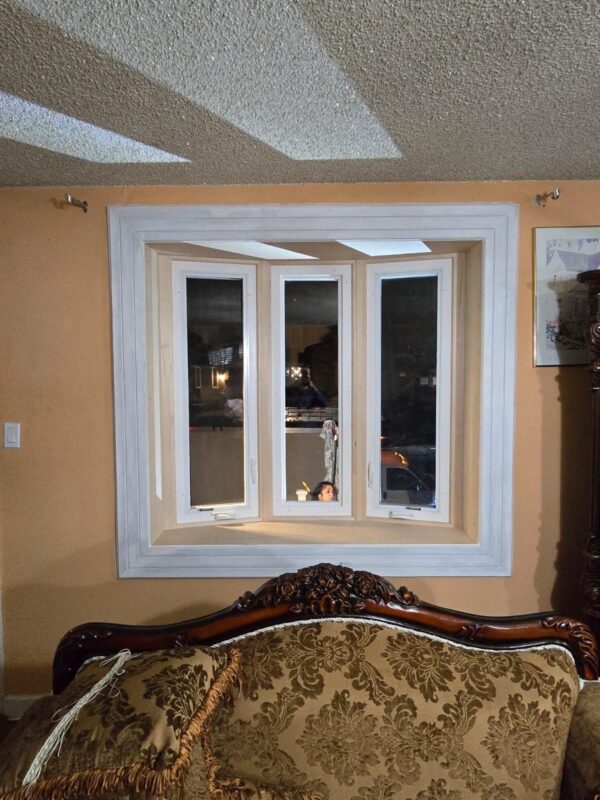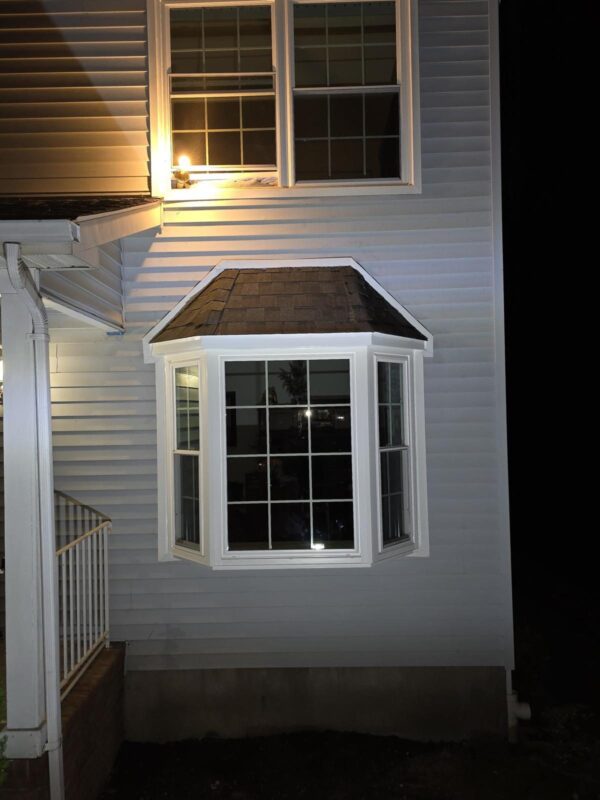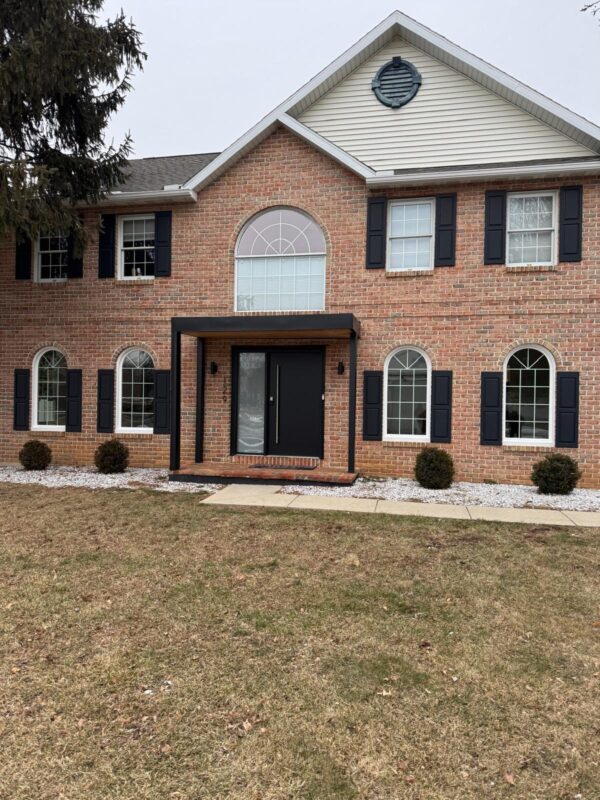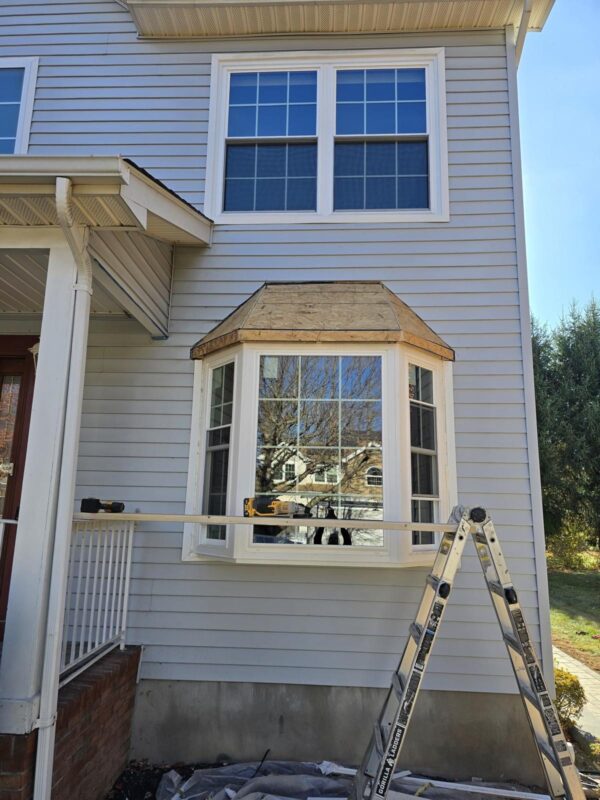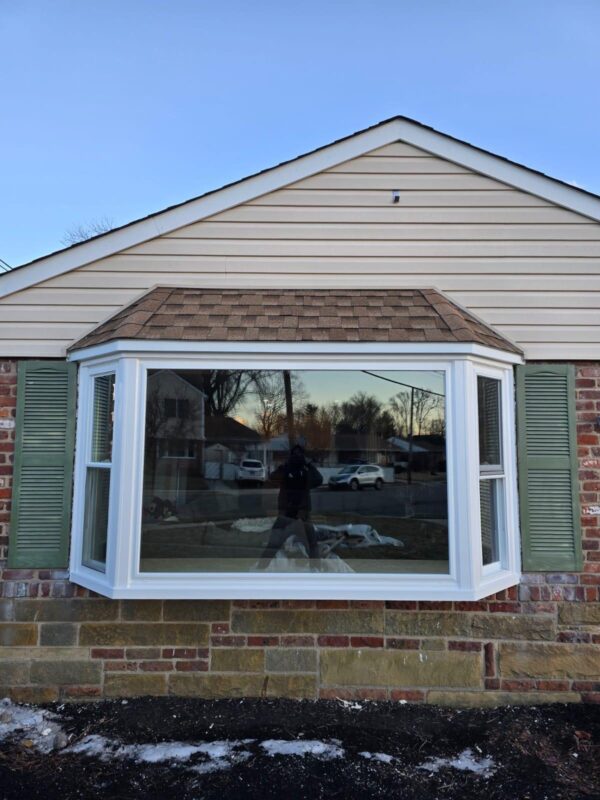
Older homes across Bucks County, Philadelphia, and the Tri State Area present unique challenges when it comes to window replacement. Many properties built before 1950 feature non-standard window openings, irregular rough opening dimensions, and structural quirks that standard off-the-shelf windows simply cannot accommodate. Custom window sizing becomes essential to maintain architectural integrity while improving energy efficiency and comfort.
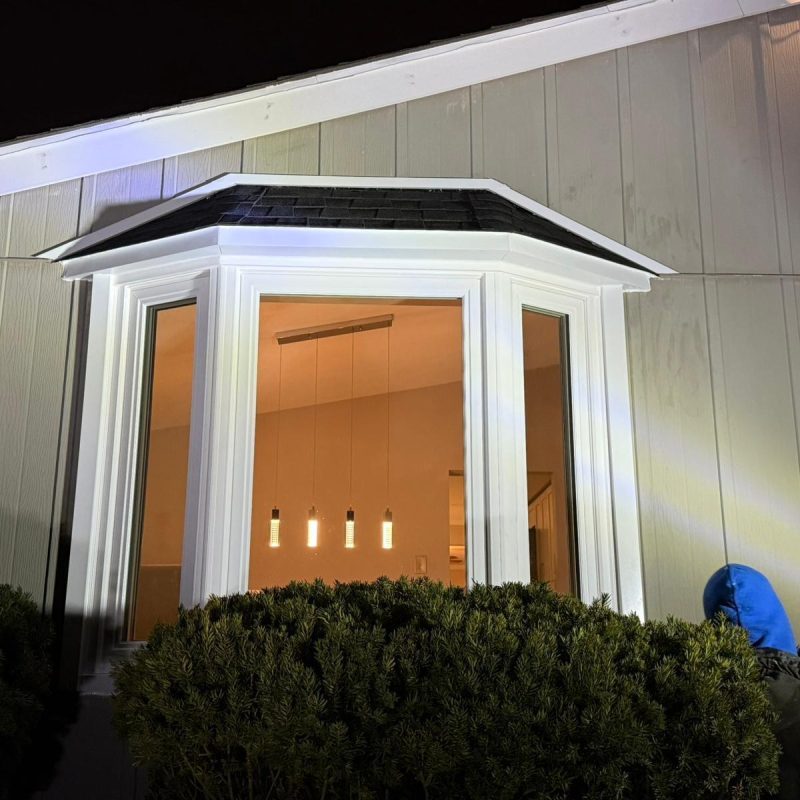
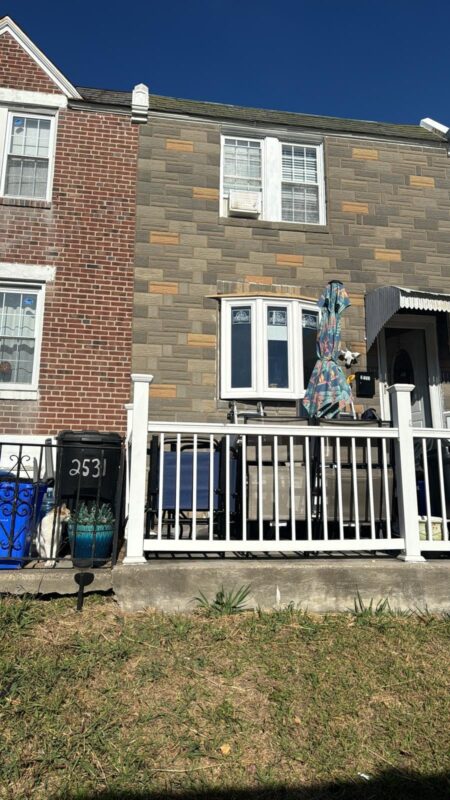
Homeowners in Langhorne, Newtown, Yardley, and surrounding townships frequently discover that their original windows measure just slightly off from modern standard sizes. A typical opening might be 34.5 inches wide instead of the standard 36 inches, or the sill height may vary from one window to the next within the same room. These variations stem from hand-framing techniques used in earlier construction eras, where precise uniformity was not the priority it is today.
Why Older Pennsylvania Homes Need Custom Window Sizing
Historic construction methods across Pennsylvania relied on dimensional lumber that varied in actual size from piece to piece. Carpenters often adjusted framing on-site, creating openings that fit available materials rather than adhering to standardized dimensions. Over decades of settling, these openings may have shifted further, creating frames that are slightly out of square or plumb.
Structural settling is particularly common in homes built on fieldstone foundations or without modern footings. As the structure settles, window openings can become trapezoidal rather than rectangular, with the top width differing from the bottom width by half an inch or more. Standard replacement windows installed into these openings often require excessive shimming and filling, which can compromise thermal performance and structural support.
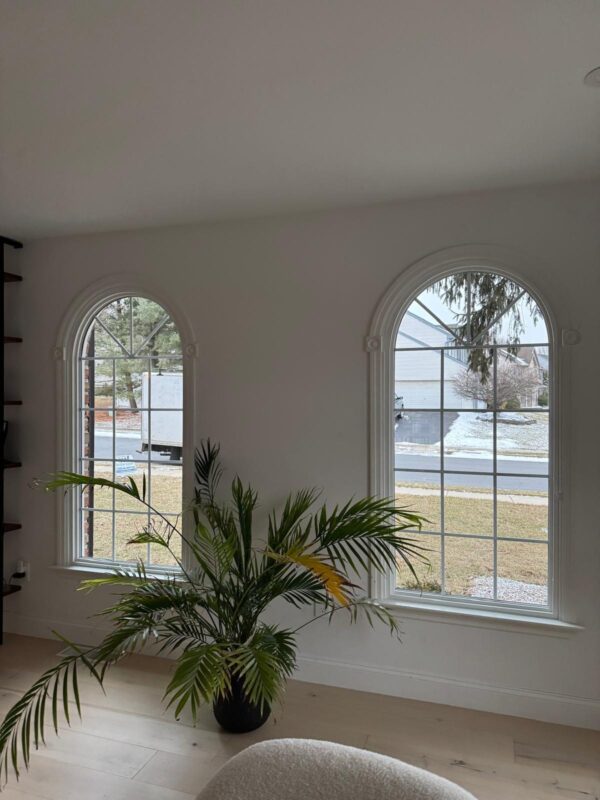
Many older Pennsylvania homes also feature unusual window configurations that were popular in specific architectural periods. Craftsman homes in Bensalem and Levittown might have wide, short windows with prairie-style divided lites. Victorian homes in Philadelphia suburbs often showcase tall, narrow windows with decorative upper sashes. Colonial Revival homes in Newtown commonly feature multi-pane windows in specific proportions that modern manufacturers do not produce as standard stock items.
Township Consideration: Many Bucks County townships require window replacements in historic districts to match original proportions and lite configurations. Custom sizing ensures compliance while meeting modern energy codes.
Common Non-Standard Dimensions in Tri State Area Homes
After measuring hundreds of older homes across the region, certain patterns emerge. Windows in homes built between 1900 and 1940 often measure 33 to 35 inches wide, falling between the modern 30-inch and 36-inch standard sizes. Height variations are equally common, with many openings measuring 52 to 58 inches instead of the standard 48 or 60 inches.
- Early 1900s farmhouses frequently have 28-inch by 54-inch kitchen windows
- 1920s bungalows often feature 32-inch by 56-inch living room windows
- 1930s Colonial Revival homes commonly have 34-inch by 64-inch first-floor windows
- Post-war Cape Cod homes may have 30-inch by 48-inch upstairs dormer windows with angled sills
These dimensions fall outside the range that most national window manufacturers stock. Attempting to force-fit a standard 30-inch window into a 32-inch opening creates gaps that require excessive insulation and trim work, often resulting in poor energy performance and visible aesthetic compromises.
Measuring Techniques for Custom Window Orders
Accurate measurement is the foundation of successful custom window sizing. Unlike standard replacement projects where a simple width and height measurement suffices, older Pennsylvania homes require a more detailed approach.
Three-point width measurements are essential for older openings. Measure the width at the top, middle, and bottom of the rough opening. Record all three measurements. If they vary by more than a quarter inch, the opening is out of square and the custom window must be sized to the smallest dimension to ensure proper fit.
Similarly, three-point height measurements (left side, center, right side) reveal whether the opening is level. In many older homes, one side of the opening sits higher than the other due to structural settling. The custom window should be sized to the shortest height measurement.
Depth measurement is often overlooked but critical in older homes. Many structures have thicker walls than modern construction, or they feature interior and exterior trim that reduces the available installation depth. Measure from the interior stop to the exterior brick molding or siding surface. Custom windows can be manufactured with extended jambs or specific jamb depths to accommodate these variations.
Squareness and Plumb Verification
After recording width and height at multiple points, verify squareness by measuring both diagonals of the opening. In a perfectly square opening, both diagonal measurements will be identical. A difference of more than half an inch indicates significant out-of-square conditions.
Check plumb using a four-foot level on both sides of the opening. Many older Pennsylvania homes built on hillsides or with fieldstone foundations show out-of-plumb conditions where one side of the window opening leans inward or outward. While minor variations can be shimmed during installation, severe plumb issues may require framing renovation before window installation.
Material and Style Options for Custom Sizing
Once accurate measurements are established, homeowners face decisions about materials and styles that will accommodate their specific dimensions while meeting performance and aesthetic goals.
Vinyl windows offer the most cost-effective custom sizing option. Most quality vinyl window manufacturers can produce units in one-inch width and height increments without significant upcharges. Vinyl extrusions are formed through dies that can be easily adjusted, making custom sizing a routine part of the manufacturing process rather than a special order.
Fiberglass windows provide superior strength and stability in larger custom sizes. For openings wider than 48 inches or taller than 72 inches, fiberglass frames resist sagging and warping better than vinyl. Fiberglass also accepts paint, allowing homeowners to match existing trim colors on historic properties where painted wood windows were original.
Wood windows remain the preferred choice for historically significant properties and high-end renovations. Custom wood windows can be milled to virtually any dimension, with sash profiles, muntin patterns, and hardware that exactly replicate original designs. Many townships in Bucks County and Montgomery County require wood or clad-wood windows in designated historic districts.
| Material | Custom Size Flexibility | Lead Time | Historic District Approval | |
|---|---|---|---|---|
| Vinyl | High (1-inch increments) | 4 to 6 weeks | Often restricted | |
| Fiberglass | High (paintable) | 6 to 8 weeks | Case-by-case | |
| Wood | Unlimited | 8 to 12 weeks | Usually approved | |
| Aluminum Clad | High (any profile) | 8 to 10 weeks | Usually approved |
Matching Original Lite Configurations
Beyond frame dimensions, older Pennsylvania homes often feature specific divided lite patterns that contribute to architectural character. True divided lites (individual panes of glass separated by wooden muntins) were standard before 1950. Modern equivalents include simulated divided lites (SDL) where muntins are applied to both sides of an insulated glass unit with a spacer bar between panes, or grilles-between-glass (GBG) where a removable muntin grid sits in the airspace.
Custom window orders can specify exact muntin widths, profiles, and grid patterns. A Colonial Revival home might require six-over-six double-hung windows with 5/8-inch muntin bars, while a Craftsman bungalow needs a specific prairie-style pattern with one large lower pane and a divided upper sash. Manufacturers who specialize in custom sizing typically offer extensive muntin libraries or can mill custom profiles to match samples.
Structural Considerations During Installation
Custom-sized windows in older Pennsylvania homes often reveal underlying structural issues that require attention before or during installation. The same settling and aging that created non-standard openings may have compromised the structural integrity of the surrounding framing.
Rotted sills and jambs are extremely common in homes where original windows have leaked for decades. Before installing custom replacement windows, contractors should inspect the entire rough opening for decay. Any soft, spongy, or discolored wood must be removed and replaced. Many installations in Langhorne and Yardley require partial or complete sill replacement before new windows can be properly anchored.
Insufficient header support appears in many older homes where original builders used undersized headers or no header at all above window openings. Modern building codes require properly sized headers to carry loads from above, especially in load-bearing walls. During window and siding combined installation projects, contractors often discover inadequate headers that must be upgraded to current standards.
Inspection Tip: Water damage often extends beyond the visible window frame. Request an inspection of the surrounding wall cavity for hidden rot, especially below the sill and behind exterior trim.
Flashing and Weather Resistance
Proper flashing becomes even more critical with custom-sized windows in older homes. Standard flashing kits designed for common window sizes may not fit properly, requiring job-site fabrication of custom flashing components.
Many older Pennsylvania homes have minimal or non-existent original flashing. Water infiltration over decades has often caused damage that only becomes visible when old windows are removed. A complete flashing system includes sill pan flashing, jamb flashing, and head flashing integrated with the water-resistant barrier. In homes undergoing siding renovation, the flashing system should tie into the new siding’s drainage plane to ensure continuous weather protection.
Energy Performance in Custom Sizes
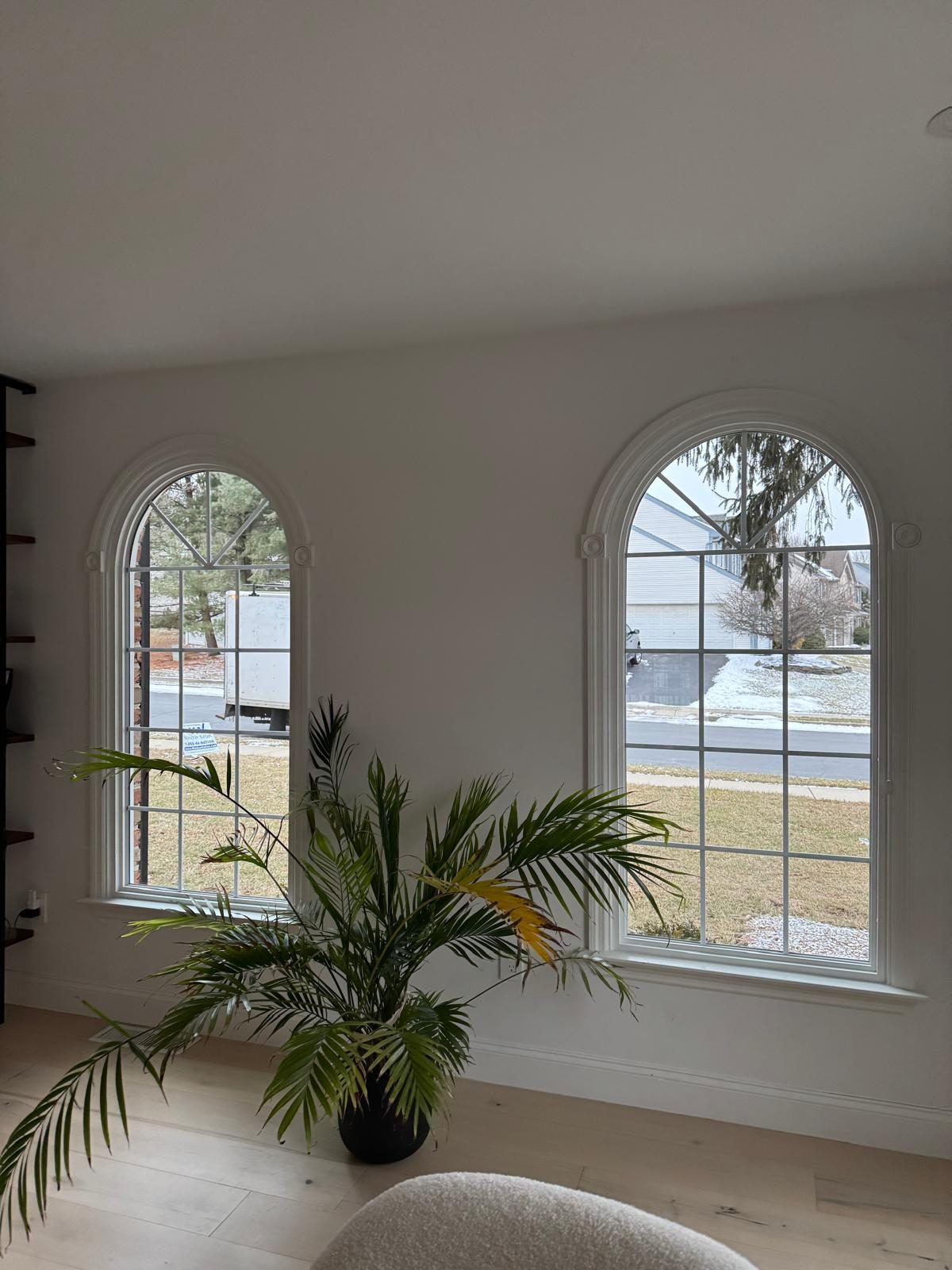
Homeowners sometimes worry that custom-sized windows will compromise energy efficiency compared to standard sizes. In reality, custom sizing often improves performance by eliminating gaps and excessive air infiltration that result from force-fitting standard windows into non-standard openings.
Insulated glass units in custom sizes perform identically to standard sizes when using the same glass package. A custom 34-inch by 56-inch window with low-E coating, argon fill, and dual pane construction delivers the same U-factor and Solar Heat Gain Coefficient as a standard 36-inch by 60-inch window with the same specifications.
The key to energy performance lies in the installation quality rather than the window size. A custom window sized to within a quarter inch of the actual rough opening requires minimal shimming and allows for proper insulation around the entire perimeter. Standard windows installed in oversized openings often have gaps of one to two inches on all sides, creating thermal bridges even when filled with low-expansion foam.
ENERGY STAR Compliance
Custom-sized windows from reputable manufacturers meet ENERGY STAR requirements for the Northern climate zone, which includes all of Pennsylvania, New Jersey, and Delaware. These windows feature U-factors of 0.27 or lower and appropriate Solar Heat Gain Coefficients for the region’s heating and cooling balance.
When replacing windows in older homes, many homeowners in the Tri State Area see heating cost reductions of 20 to 35 percent compared to original single-pane windows. The improvement comes not only from better glass technology but also from eliminating air leakage around poorly fitted frames.
Working with Township Requirements
Several townships in Bucks County maintain historic overlay districts or architectural review boards that regulate exterior alterations, including window replacements. Homeowners in designated areas of Newtown Borough, Yardley Borough, and portions of Newtown Township must submit window replacement plans for review before purchasing materials.
Material restrictions vary by township and district. Some require wood or aluminum-clad wood windows to maintain historic character. Others allow vinyl windows if they match the profile and proportions of original windows. Custom sizing becomes necessary to meet these requirements because standard vinyl windows often have wider frame profiles and different sightlines than historic wooden windows.
Muntin patterns and grid styles are frequently regulated in historic districts. A home originally built with true divided lites may be required to use simulated divided lites in replacements, with specific muntin dimensions. Standard stock windows with snap-in grilles typically do not meet these requirements, necessitating custom orders with permanently affixed exterior muntins.
Permit and Inspection Process
Window replacement in Pennsylvania typically requires a building permit, even for same-size replacements. Custom-sized windows that alter rough openings always require permits and inspections. The permit process includes submitting window specifications, installation drawings, and energy performance data.
Inspectors verify that new windows meet current energy codes, are properly flashed and sealed, and maintain required egress dimensions for bedrooms. Custom windows in older homes sometimes require engineering letters confirming that headers and surrounding framing can support loads, especially when enlarging openings or combining multiple small windows into one larger unit.
Cost Considerations for Custom Sizing
Custom window sizing typically adds 15 to 35 percent to the base cost of standard-size windows, depending on how far dimensions deviate from stock sizes and the material selected. A standard 36-inch by 60-inch vinyl double-hung window might cost 20 percent more when custom-ordered at 34 inches by 58 inches.
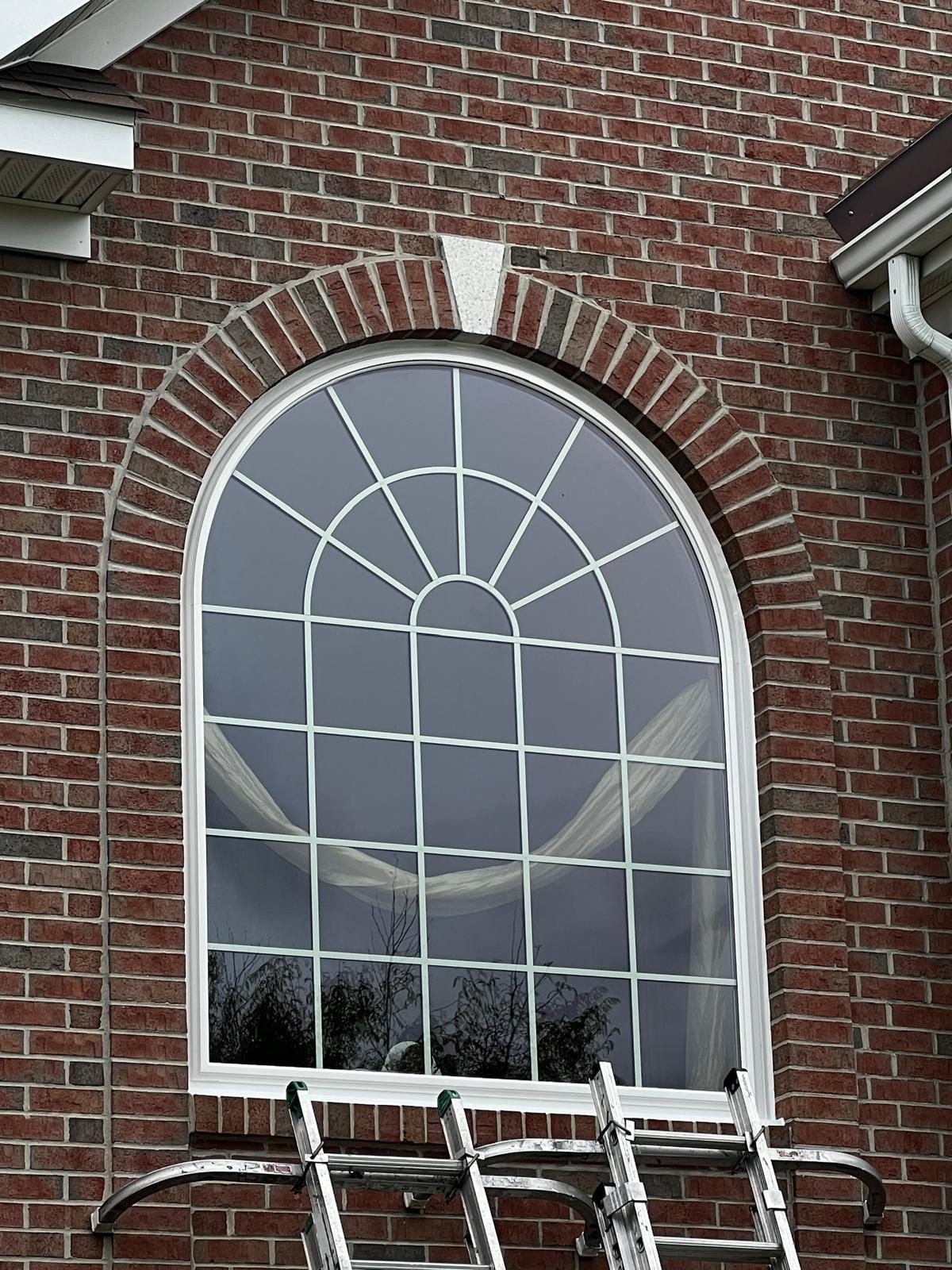
However, this premium is often offset by reduced installation costs and better long-term performance. Properly sized windows install faster because they require less shimming, trimming, and gap-filling. The reduced air infiltration and improved thermal performance deliver ongoing energy savings that recover the initial premium over time.
Many homeowners in older Pennsylvania properties find that the total project cost for custom-sized windows installed correctly is comparable to the cost of standard windows plus the additional labor and materials needed to adapt them to non-standard openings. The difference lies in final quality and longevity.
Long-Term Value: Custom-sized windows that fit properly and meet historic character standards typically add more to home resale value than poorly adapted standard windows, especially in established neighborhoods across Bucks County and Philadelphia suburbs.
Choosing the Right Contractor
Not all window contractors have experience with custom sizing for older homes. The measurement, ordering, and installation processes require specialized knowledge that general remodelers may lack. Look for contractors who regularly work in older neighborhoods and can show completed projects in similar homes.
Experience with historic properties is valuable even if your home is not in a designated historic district. Contractors familiar with older construction understand common issues like out-of-square openings, hidden water damage, and inadequate framing. They know how to adapt installation techniques to accommodate structural quirks while maintaining warranty compliance.
A qualified contractor should perform a thorough site assessment before providing estimates, measuring all openings carefully and inspecting surrounding areas for rot or structural issues. They should discuss material options in the context of your home’s age, style, and any township restrictions. References from recent custom window projects in the Tri State Area help verify capabilities.
Santos Replacement works extensively with custom window sizing across Bucks County, Philadelphia, and surrounding areas. The team handles measurement, ordering, and installation with a single project manager throughout, ensuring consistency from initial assessment through final inspection. Licensed and insured service covers Pennsylvania, New Jersey, and Delaware.
Frequently Asked Questions
How much lead time do custom-sized windows require?
Custom-sized windows typically require 4 to 12 weeks from order to delivery, depending on material and manufacturer. Vinyl windows in slightly non-standard sizes often arrive in 4 to 6 weeks. Wood and fiberglass windows with complex configurations may take 8 to 12 weeks. Ordering during fall and winter usually results in shorter lead times than spring and summer when demand peaks across the Tri State Area.
Can I use standard windows if I enlarge the rough opening?
Enlarging rough openings to accommodate standard-sized windows is possible but often more expensive and disruptive than ordering custom sizes. The process requires cutting through interior and exterior wall finishes, removing and replacing structural framing, and obtaining building permits. In load-bearing walls, header upgrades add cost and complexity. Unless you are already planning extensive renovations, custom sizing to fit existing openings typically offers better value.
Will custom-sized windows have the same warranty as standard sizes?
Reputable window manufacturers provide identical warranties for custom sizes and standard sizes. The warranty covers defects in materials and workmanship regardless of dimensions. However, installation-related issues fall under the contractor’s workmanship warranty rather than the manufacturer’s product warranty. Ensure your contractor offers a comprehensive labor warranty that covers custom installation challenges specific to older homes.
Do custom windows require special maintenance?
Custom-sized windows require no additional maintenance compared to standard sizes. Vinyl and fiberglass windows need only periodic cleaning of glass and frames. Wood windows require periodic repainting or refinishing according to the manufacturer’s schedule, typically every 5 to 8 years depending on exposure. The key to longevity in custom installations is ensuring proper drainage and ventilation during installation to prevent moisture accumulation.
How do I know if my windows need custom sizing or if openings can be modified?
If your window openings measure within 2 inches of standard sizes and are reasonably square and plumb, modifying openings may be cost-effective. If dimensions differ by more than 2 inches, or if openings are significantly out of square, custom sizing typically delivers better results at comparable total cost. A thorough assessment by an experienced contractor familiar with older Pennsylvania homes provides the best guidance. Contact Santos Replacement for a free in-home estimate and professional measurement across the Tri State Area.