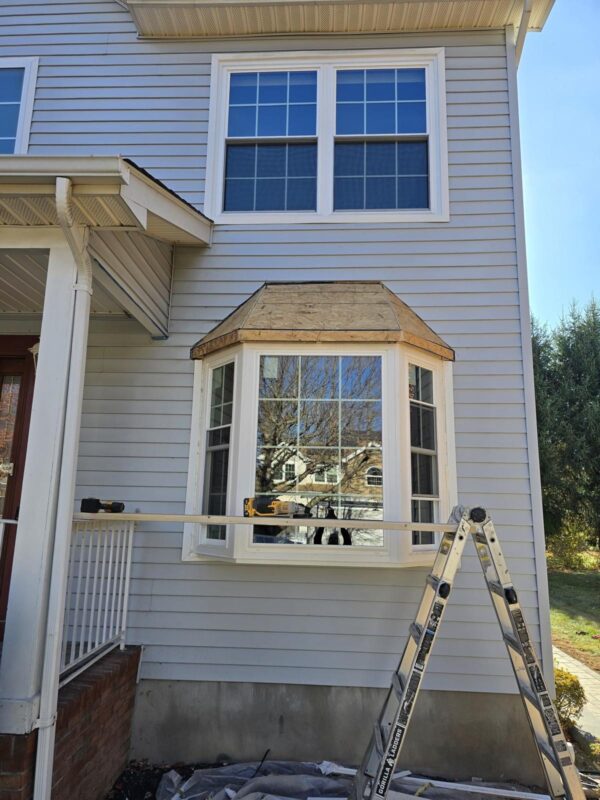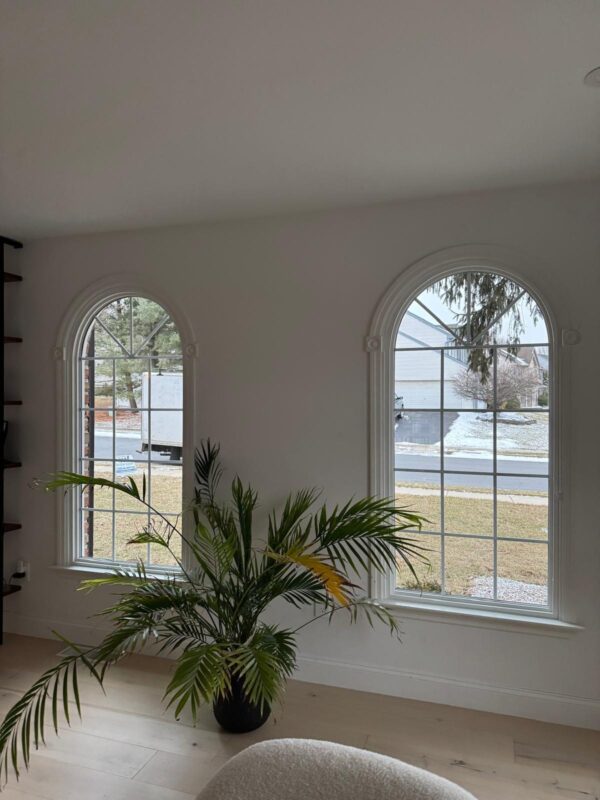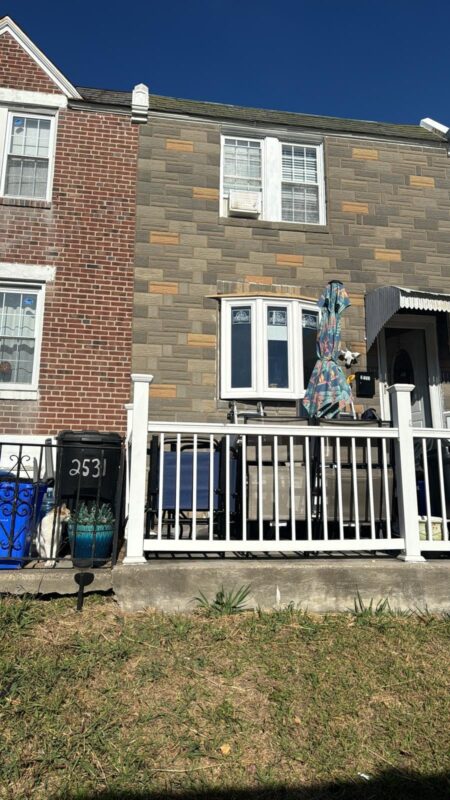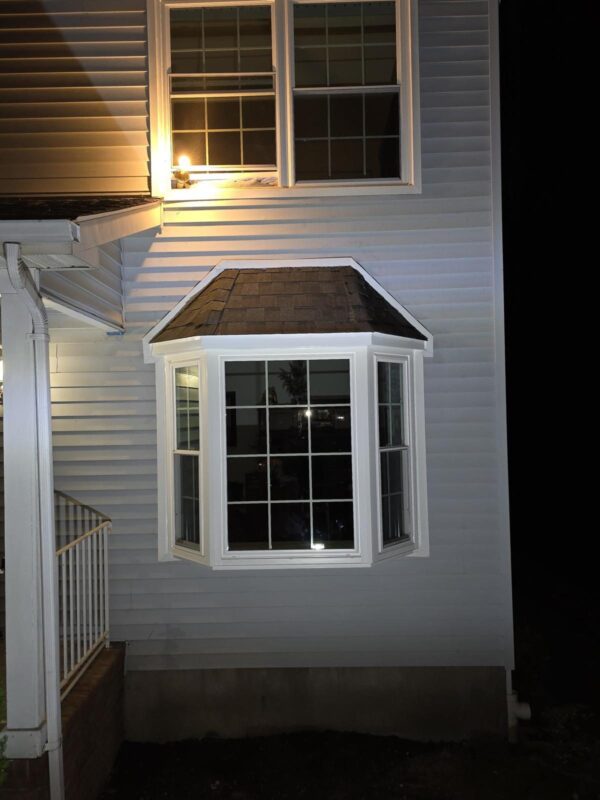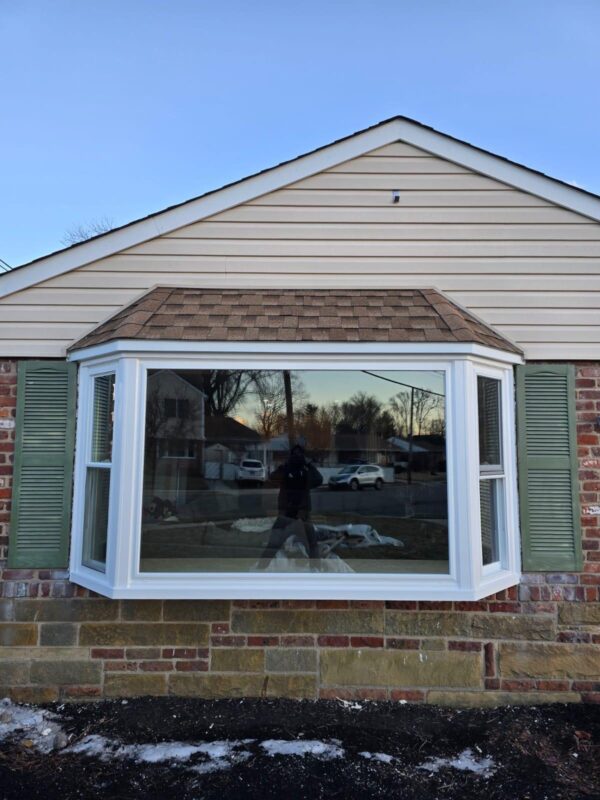
Pennsylvania homeowners planning window replacement Tri State Area projects face a common decision: double hung or casement windows. Both styles appear throughout Langhorne, Newtown, Yardley, and Philadelphia suburbs, but each offers distinct advantages for climate control, maintenance access, and architectural compatibility. Understanding these differences helps you select the right option for your home’s specific needs and your long-term satisfaction.
This guide examines both window types in depth, covering operation mechanics, energy performance in Pennsylvania winters, ventilation patterns, maintenance requirements, cost considerations, and suitability for different home styles across Bucks County and the surrounding region.
Understanding Double Hung Window Design and Operation
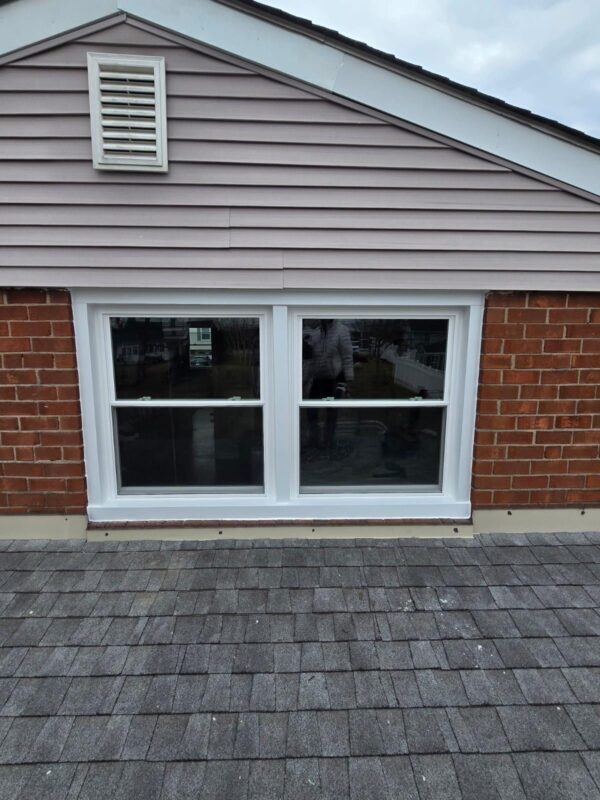
Double hung windows feature two operable sashes that slide vertically within the frame. Both the upper and lower sash move independently, allowing homeowners to open either section or both simultaneously. Modern double hung units include tilt-in sashes that pivot inward for easier exterior glass cleaning from inside the home.
The vertical sliding mechanism relies on a balance system, typically using spring-loaded channels or block-and-tackle systems, to hold sashes in position at any height. Quality double hung windows incorporate weatherstripping along all four sides of each sash to minimize air infiltration when closed.
This traditional design dominates residential construction across Pennsylvania for several practical reasons. The vertical operation requires no exterior clearance, making double hung windows ideal for locations near walkways, patios, or landscaping where outward-opening sashes would create obstacles. The ability to open from top or bottom provides flexible ventilation control, letting warm air escape through the top opening while drawing cooler air through the bottom.
Ventilation Flexibility with Double Hung Windows
Opening both sashes simultaneously creates effective cross-ventilation in Pennsylvania’s temperate months. Warm air naturally rises and exits through the top opening while cooler exterior air enters through the bottom, establishing continuous airflow without mechanical assistance. This natural convection pattern helps reduce cooling costs during spring and fall.
Homeowners can also open just the top sash during rain, allowing ventilation while preventing water entry that would occur with bottom-only opening. This feature proves particularly valuable during summer thunderstorms common across Bucks County and surrounding areas.
Casement Window Mechanics and Performance Characteristics
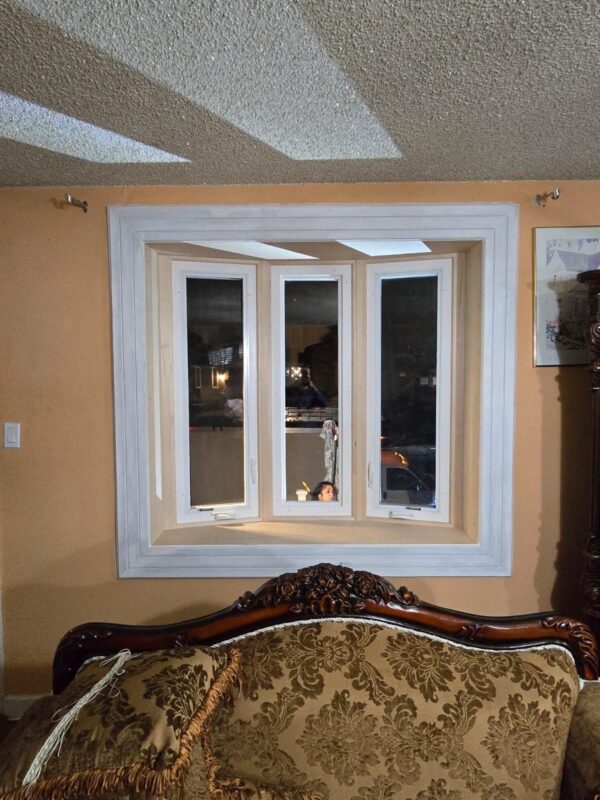
Casement windows use side-mounted hinges and open outward like a door, operated by a hand crank mechanism located at the base of the frame. The entire sash swings open, providing unobstructed access to the full window opening. When closed, the sash compresses against the frame, creating a tight seal with weatherstripping along the perimeter.
This compression seal represents one of the primary advantages of casement design. Unlike sliding windows where sashes must maintain some clearance for movement, casement windows pull tight against the frame when latched, significantly reducing air infiltration. Independent testing consistently shows casement windows achieving lower air leakage rates compared to double hung units of similar quality.
The crank operation requires minimal force, making casement windows easier to open than sliding styles for homeowners with limited hand strength or mobility concerns. The outward opening also allows the entire glass area to catch passing breezes, directing airflow into the home rather than simply creating an opening for air to pass through.
Energy Efficiency in Pennsylvania Climate
Casement windows typically outperform double hung windows in air sealing because the compression design eliminates the sliding track gaps inherent to vertical operation. In Pennsylvania winters, where heating costs represent a significant household expense, the improved seal can reduce infiltration-related heat loss.
However, the actual energy difference depends heavily on the quality of both window styles. A premium double hung window with multiple weatherstripping points and tight tolerances will outperform a budget casement window with loose hardware. When comparing similar quality tiers, casement windows generally show 10 to 15 percent better air sealing performance.
Both window styles are available with identical glass packages, including low-E coatings, argon or krypton gas fills, and multiple pane configurations. The glass technology contributes more to overall energy performance than the operational style, meaning a well-specified double hung window with advanced glazing will still deliver excellent thermal performance across the Tri State Area climate.
Maintenance Access and Cleaning Considerations
Double hung windows with tilt-in sashes allow exterior glass cleaning from inside the home. Homeowners release a latch at the top of each sash, tilt it inward, and clean both sides of the glass without ladders or exterior access. This feature provides significant practical value for second-story windows or installations above landscaping beds, decks, or other obstacles.
Casement windows require exterior access for cleaning the outside glass surface. The outward opening provides easy interior access but necessitates reaching around the open sash from outside or using extension tools. For first-floor installations, this presents minimal inconvenience. For second-story casement windows, homeowners typically need ladders or professional window cleaning services.
The hardware components differ between styles, affecting long-term maintenance. Double hung windows use balance systems that occasionally require adjustment or replacement, typically after 15 to 20 years of regular use. Casement windows rely on crank mechanisms and hinge hardware that may need lubrication every few years and eventual replacement of the crank operator mechanism.
Maintenance tip: Apply silicone spray lubricant to casement hinges and crank mechanisms annually to prevent binding and extend hardware life. For double hung windows, clean the balance channels and weatherstripping with mild soap and water to maintain smooth operation.
Architectural Style Compatibility Across Pennsylvania Homes
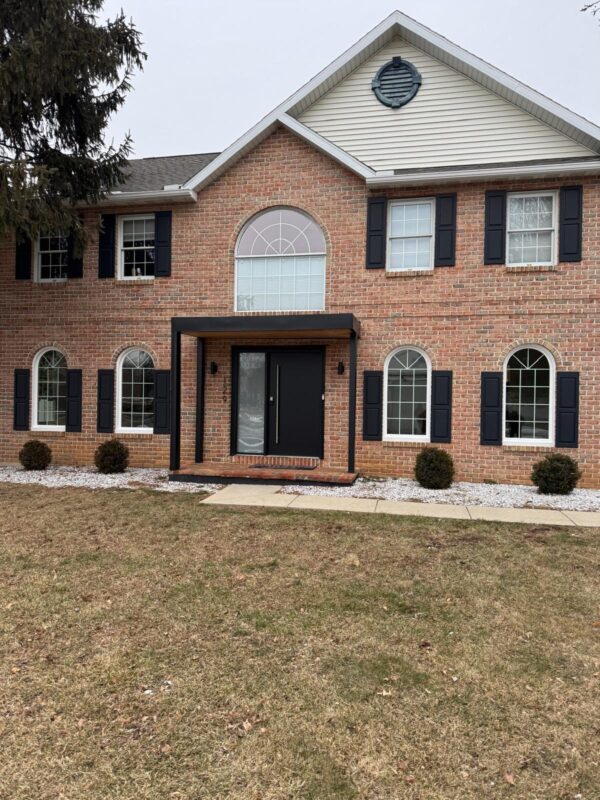
Double hung windows suit virtually all residential architectural styles found across Bucks County, Philadelphia suburbs, and the broader Tri State Area. Colonial, Federal, Victorian, Cape Cod, and Craftsman homes traditionally incorporated double hung windows, and replacement units maintain historical authenticity. Even contemporary and ranch-style homes frequently use double hung windows without aesthetic conflict.
Casement windows appear most commonly in Tudor, Cottage, Prairie, and modern architectural styles. The outward-swinging sash and visible hinge hardware create a distinct appearance that complements certain design aesthetics better than others. Some homeowners appreciate the European influence of casement windows, while others prefer the traditional American residential look of double hung units.
Historic district regulations and homeowner association guidelines in townships like Newtown, Yardley, and areas of Philadelphia may specify window styles to maintain neighborhood character. Before committing to either style, homeowners should verify any architectural restrictions that might apply to their property.
Combining Window Styles for Optimal Results
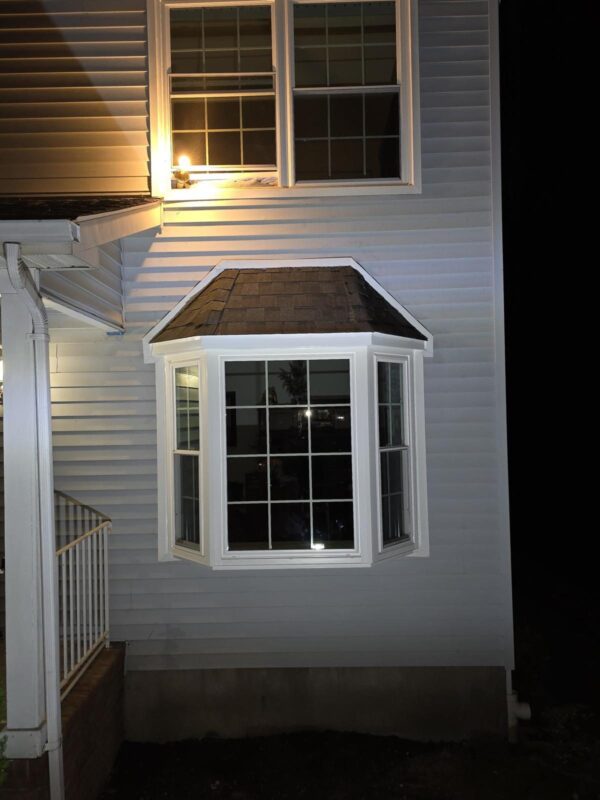
Many Pennsylvania homes benefit from using both window styles strategically. Double hung windows in prominent front-facing locations maintain traditional curb appeal, while casement windows in specific rear or side locations provide enhanced ventilation or accommodate particular room layouts. This mixed approach allows homeowners to leverage the advantages of each style where they matter most.
Kitchen and bathroom locations often suit casement windows because the full-opening design provides maximum ventilation for moisture and odor removal. Living areas and bedrooms frequently work well with double hung windows that offer flexible ventilation control without the exterior swing clearance requirement.
Installation and Structural Opening Requirements
Both window styles fit into similar rough openings, but the specific framing requirements differ slightly. Double hung windows need vertical jambs that accommodate the sliding track system and provide attachment points for balance mechanisms. Casement windows require hinges mounted to one vertical jamb and clearance on the opposite side for the sash to swing open without interference.
Replacement installations in existing homes typically maintain the current window style to avoid modifying the rough opening, which would require framing renovation Tri State Area work. Switching from double hung to casement or vice versa necessitates structural adjustments, adding complexity and cost to the project.
When planning new construction or major renovations that include window door siding installation Tri State Area work, homeowners have full flexibility to specify either window style based purely on performance and aesthetic preferences rather than existing opening constraints.
Cost Comparison for Pennsylvania Homeowners
Double hung windows generally cost less than casement windows of comparable quality. The difference typically ranges from 15 to 25 percent, with casement windows commanding the premium due to more complex hardware mechanisms and the compression seal design that requires tighter manufacturing tolerances.
Installation labor costs remain similar for both styles when replacing existing units of the same type. Converting from one style to another increases installation time and complexity, adding to the project total. Homeowners should budget for additional framing work if switching window styles during replacement projects.
Long-term operating costs favor casement windows slightly due to better air sealing, which reduces heating and cooling expenses. However, the energy savings typically require many years to offset the higher initial purchase price. For homeowners prioritizing upfront affordability, double hung windows deliver excellent value. Those focused on maximum long-term efficiency may prefer investing in premium casement units.
Selecting the Right Window Style for Your Property
The best window style depends on your specific priorities, home architecture, and practical constraints. Consider these factors when making your decision:
- Climate control priority: Casement windows provide superior air sealing for maximum energy efficiency in Pennsylvania winters and summers
- Maintenance preference: Double hung tilt-in sashes simplify cleaning, especially for second-story installations
- Architectural compatibility: Double hung windows suit traditional home styles throughout Langhorne, Newtown, and Philadelphia suburbs
- Ventilation needs: Casement windows deliver stronger directional airflow, while double hung units offer more flexible control
- Physical operation: Casement cranks require less strength than sliding sashes for homeowners with mobility limitations
- Budget considerations: Double hung windows cost less initially, casement windows may save more over time through efficiency gains
- Exterior clearance: Double hung windows work near walkways and landscaping where outward-opening sashes would create obstacles
Many Pennsylvania homeowners find that a combination approach delivers the best overall results. Working with an experienced contractor who understands both styles helps identify the optimal window placement strategy for your specific property and priorities.
Working with Licensed Contractors for Window Projects
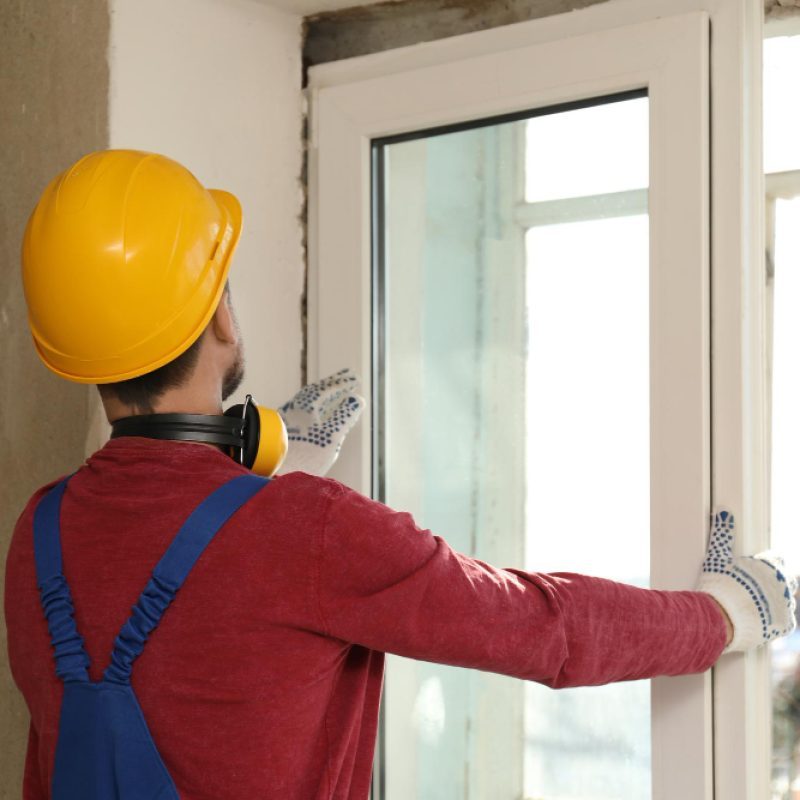
Professional installation significantly impacts window performance regardless of style. Improperly installed windows lose much of their efficiency advantage through air leaks, water infiltration, and operational problems. Licensed contractors bring expertise in flashing details, weatherproofing, and proper fastening that preserve manufacturer warranties and ensure long-term performance.
Santos Replacement provides replacement windows installation throughout the Tri State Area with single project management from initial consultation through final inspection. Licensed and insured contractors handle all aspects of window replacement projects, including precise measurements, proper flashing integration with existing siding renovation Tri State Area work, interior trim carpentry, and thorough weatherproofing.
Before beginning any window project, homeowners should verify that their contractor holds current Pennsylvania licensing, maintains general liability and workers compensation insurance, and offers clear warranties covering both materials and installation labor. These protections safeguard your investment and ensure recourse if problems develop after project completion.
Frequently Asked Questions
Do casement windows really save more on energy bills than double hung windows?
Casement windows typically reduce air infiltration by 10 to 15 percent compared to double hung windows of similar quality due to their compression seal design. This translates to modest energy savings, potentially reducing heating and cooling costs by 5 to 8 percent annually. However, the actual savings depend heavily on the overall quality of both window types. A premium double hung window with excellent weatherstripping and tight construction tolerances will outperform a budget casement window. For maximum efficiency with either style, prioritize advanced glass packages with low-E coatings and gas fills, which contribute more to thermal performance than the operational mechanism.
Can I replace double hung windows with casement windows without major structural changes?
Replacing double hung windows with casement units typically requires modifying the rough opening because the two styles have different structural requirements. Double hung windows use vertical sliding tracks, while casement windows need hinge mounting on one side and swing clearance on the opposite side. This conversion necessitates framing adjustments, which adds cost and complexity to the project. Most homeowners replacing existing windows choose the same operational style to avoid structural modifications. If you want to switch styles during a larger renovation that already involves framing work, the additional changes become more practical and cost effective.
Which window style works better for second-story bedrooms in Pennsylvania homes?
Double hung windows with tilt-in sashes offer significant practical advantages for second-story bedrooms. The ability to clean exterior glass from inside eliminates the need for ladders or professional cleaning services. The vertical operation also allows flexible ventilation control, opening from top or bottom depending on weather conditions and privacy preferences. Casement windows provide superior air sealing and energy efficiency but require exterior access for cleaning and may pose challenges for emergency egress depending on specific installation height and configuration. Both styles meet building code egress requirements when properly sized. Most Pennsylvania homeowners prefer double hung windows for second-story locations due to maintenance convenience.
How long do casement window crank mechanisms typically last before needing replacement?
Quality casement window crank mechanisms typically last 20 to 30 years with proper maintenance. Annual lubrication of the crank gear and regular cleaning of the track system extend operational life significantly. When crank mechanisms eventually wear out, replacement operators are available for most major window brands and can be installed without replacing the entire window unit. The cost of replacing a crank mechanism represents a small fraction of full window replacement cost. Some budget casement windows use lighter-duty hardware that may require replacement after 10 to 15 years. Premium casement windows with commercial-grade operators often exceed 30 years of maintenance-free operation.
Do homeowner associations in Bucks County townships restrict window style choices?
Some homeowner associations and historic district regulations in Newtown, Yardley, and other Bucks County townships include architectural guidelines that specify window styles to maintain neighborhood character. These restrictions most commonly affect front-facing windows visible from the street. Rear and side windows typically face fewer restrictions. Before committing to either double hung or casement windows, review your HOA covenants or contact your architectural review board to verify any applicable requirements. In areas without HOA oversight, homeowners have complete freedom to choose window styles based purely on performance, aesthetic, and budget preferences.