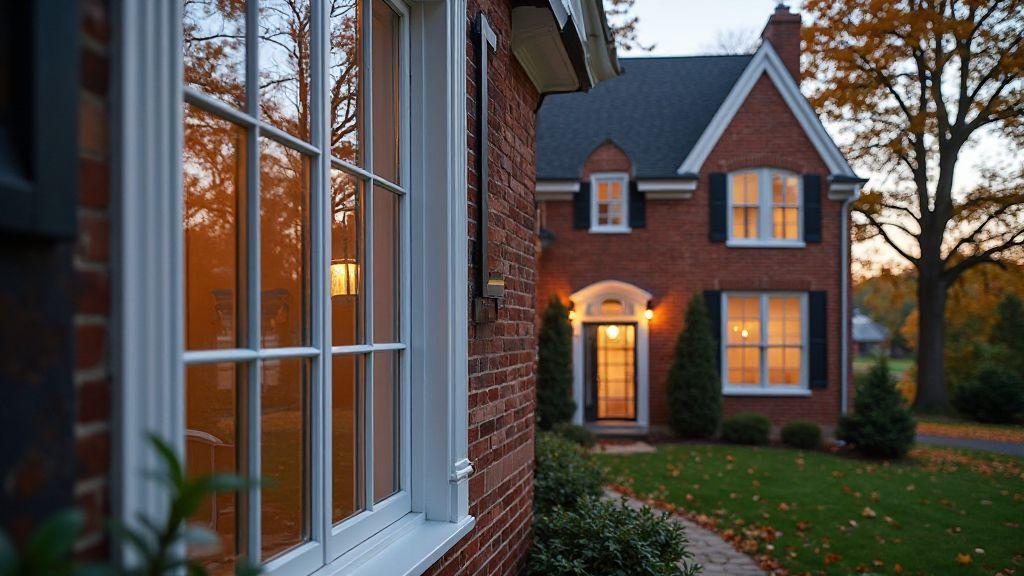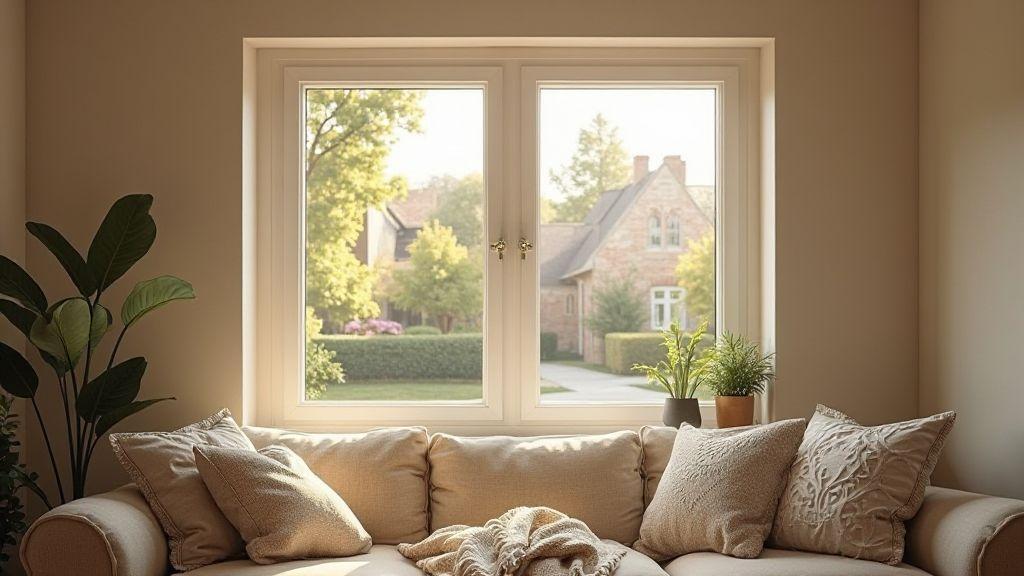
Picture windows stand as the simplest window type available, yet they solve specific design and performance challenges that other styles cannot. A picture window consists of a single fixed pane of glass in a frame, with no moving parts, no screens, and no hardware. Homeowners across Pennsylvania, New Jersey, and Delaware choose picture windows when they want to maximize views, flood interior spaces with natural light, or create dramatic architectural focal points without the maintenance demands of operable units.
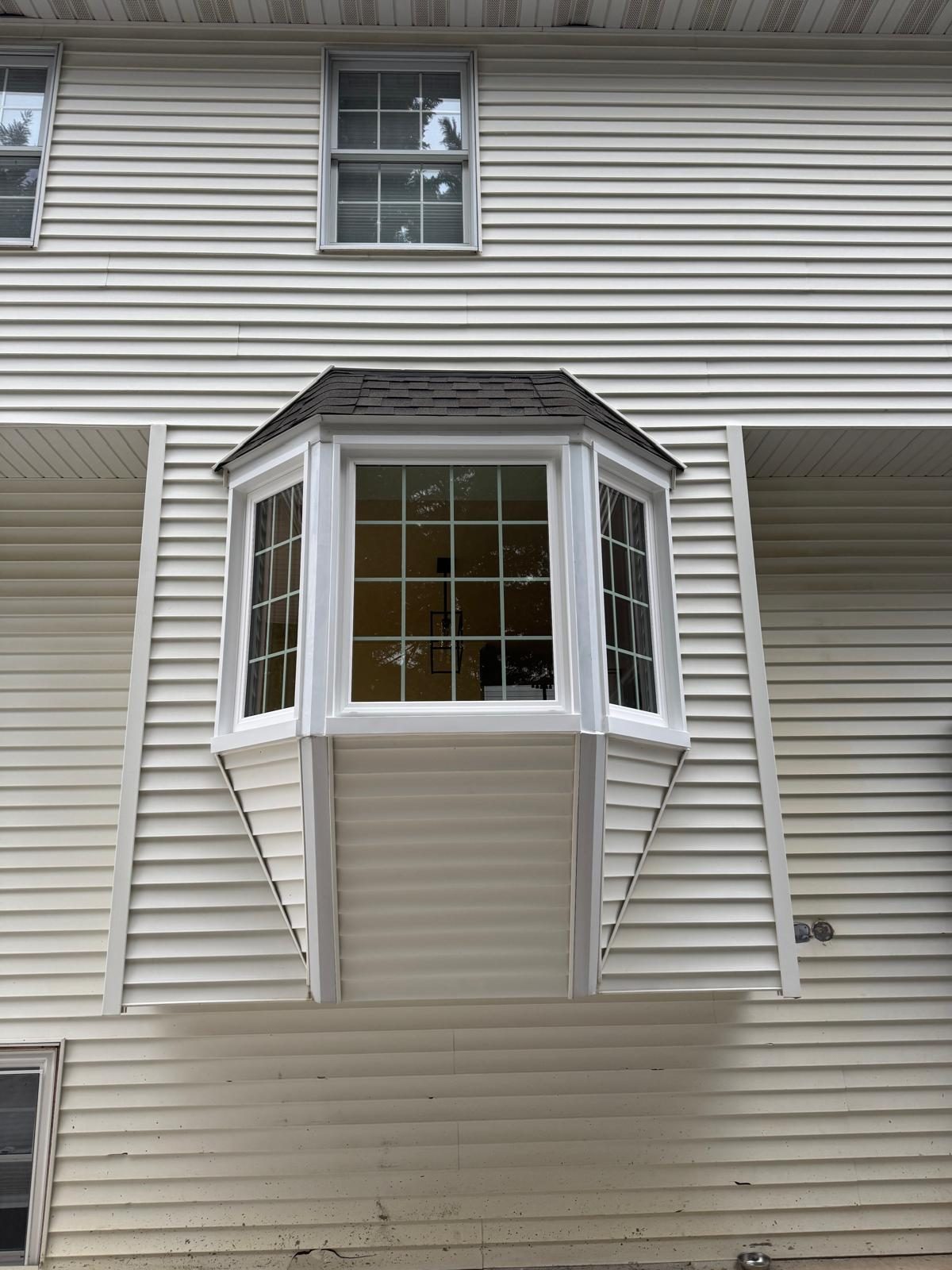
The fixed design of picture windows eliminates air infiltration points that plague double hung or slider mechanisms. This makes them the most energy efficient window configuration available. In Bucks County homes where heating costs remain a concern through long winters, properly installed picture windows deliver measurable savings on utility bills while creating visual connections to backyard landscapes, wooded lots, or suburban streetscapes.
Core Benefits of Fixed Glass Design
Picture windows deliver three primary advantages that make them suitable for specific applications in residential design. Understanding these benefits helps homeowners decide where fixed glass makes sense and where operable windows remain necessary.
Maximum Glass Area and Unobstructed Views
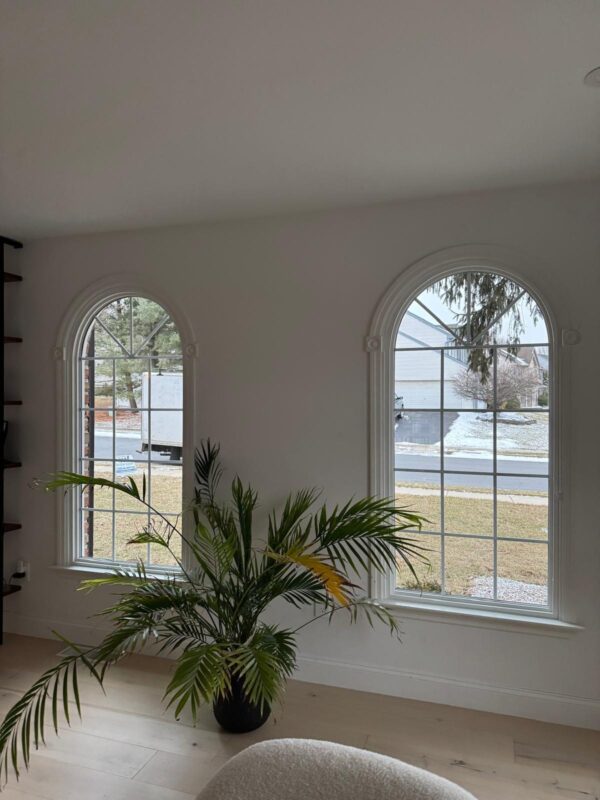
Because picture windows contain no sashes, muntins, or hardware, the glass-to-frame ratio exceeds that of any operable window style. A six foot wide picture window presents approximately 92 to 95 percent visible glass, compared to 75 to 85 percent for a comparable double hung or casement unit. This difference becomes significant when the window frames a specific view, such as a mature oak in the front yard, a pond behind the property, or distant hills visible from second story rooms.
The uninterrupted expanse of glass also creates a seamless visual transition between indoor and outdoor spaces. Living rooms that face landscaped backyards benefit from this connection, allowing homeowners to enjoy seasonal changes, wildlife, and weather patterns from comfortable interior vantage points.
Superior Energy Performance
Every operable window contains multiple air leakage points: where the sash meets the frame, where weatherstripping compresses, and where locking mechanisms create small gaps. Picture windows eliminate all moving parts and rely on a continuous perimeter seal between the glass unit and the frame. This design achieves air infiltration rates below 0.1 cubic feet per minute per square foot of window area, approximately 40 to 60 percent better than well-installed operable units.
The energy advantage extends beyond air sealing. Because picture windows carry no operating hardware weight, manufacturers can use larger insulated glass units without structural concerns. Homeowners can specify triple pane configurations, low-E coatings on multiple surfaces, and argon or krypton gas fills that would add excessive weight to operable sashes. The result is a window that performs exceptionally well in both heating and cooling seasons, reducing thermal loss in January and solar heat gain in July.
Energy Tip: Pair picture windows with high-performance glass packages. Specify low-E coatings on surfaces 2 and 3 for maximum winter heat retention, and consider triple pane construction in north-facing installations where condensation resistance matters most.
Lower Maintenance and Longer Service Life
Operating mechanisms fail. Balances wear out, tracks accumulate debris, weatherstripping compresses, and locking hardware loosens. Picture windows avoid all these maintenance issues. With no moving parts to adjust, lubricate, or replace, fixed glass units require only periodic cleaning and occasional inspection of the perimeter seal.
The simplified construction also extends product lifespan. While quality replacement windows typically deliver 20 to 25 years of reliable service, picture windows often perform well beyond 30 years because there are no mechanical components to fail. Homeowners who install picture windows in hard-to-reach locations, such as above vaulted ceilings or in two-story foyer installations, appreciate this longevity.
Ideal Applications for Picture Windows in Pennsylvania Homes
Picture windows work best in specific locations where their fixed design offers clear advantages over operable alternatives. Residential applications across the Tri State Area typically fall into several common categories.
Rooms with Dedicated Views
Living rooms, dining rooms, and primary bedroom suites that face attractive outdoor features benefit most from picture window installations. A home in Newtown with mature landscaping, a property in Yardley backing to preserved open space, or a Levittown residence overlooking a community pond gains measurable aesthetic value from expansive fixed glass that frames these views without visual interruption.
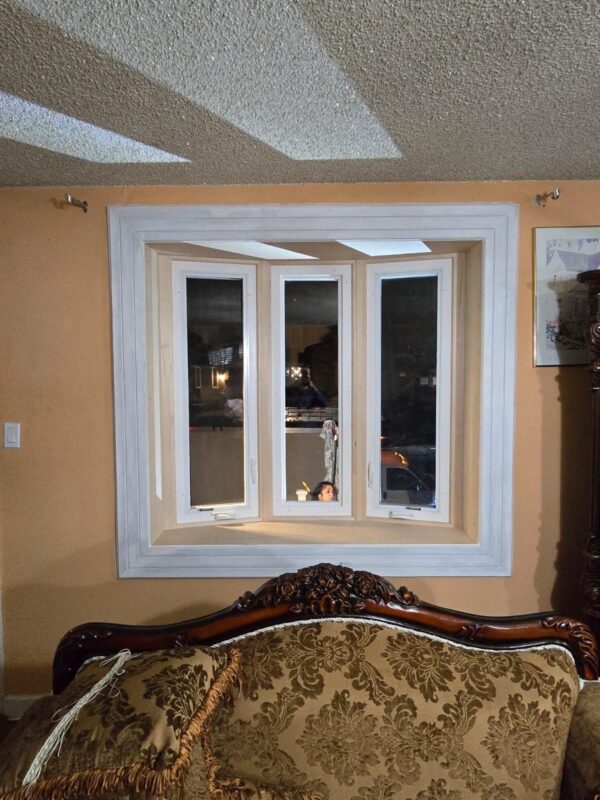
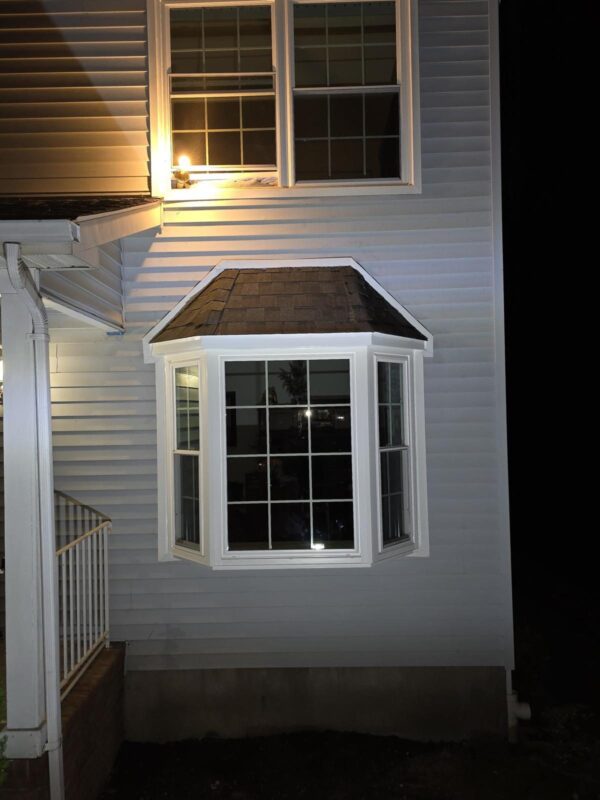
When the primary purpose of a window is to provide a visual connection rather than ventilation, picture windows make functional sense. Pair the fixed center unit with flanking casement or double hung windows to maintain ventilation options while maximizing the view through the central expanse of glass.
Second Story Installations Above Covered Porches
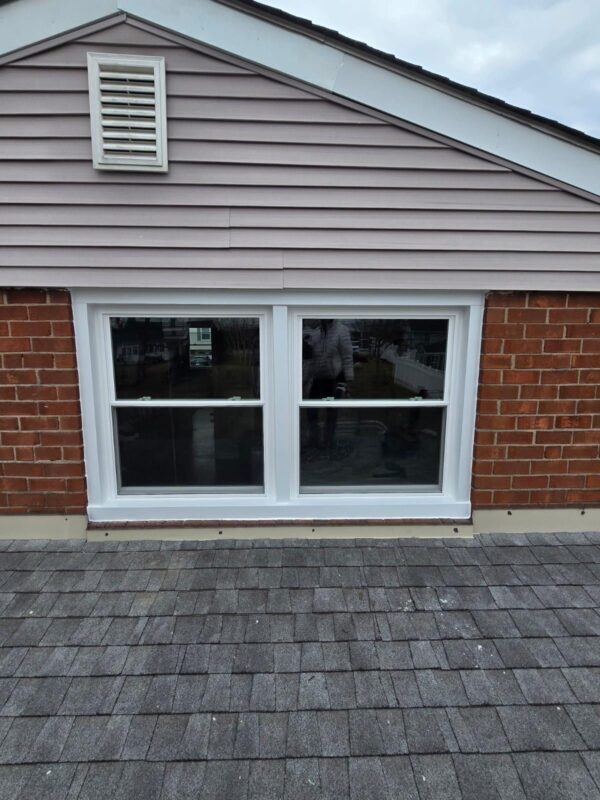
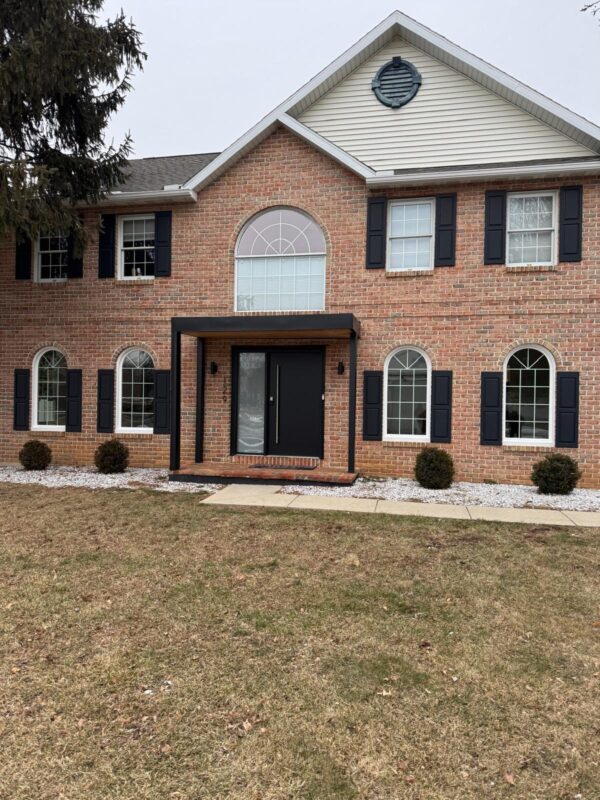
Homes with front porches or covered entries often include second story windows above the roof line. These locations rarely require ventilation because homeowners cannot easily reach the windows to operate them, and opening them offers limited airflow benefit. Installing picture windows in these locations reduces costs, improves energy performance, and eliminates the maintenance burden of operable units that may never be opened.
The same logic applies to windows above cathedral ceilings, in stairwell landings, and in other architectural locations where access limitations make operation impractical.
Combination Installations for Balance
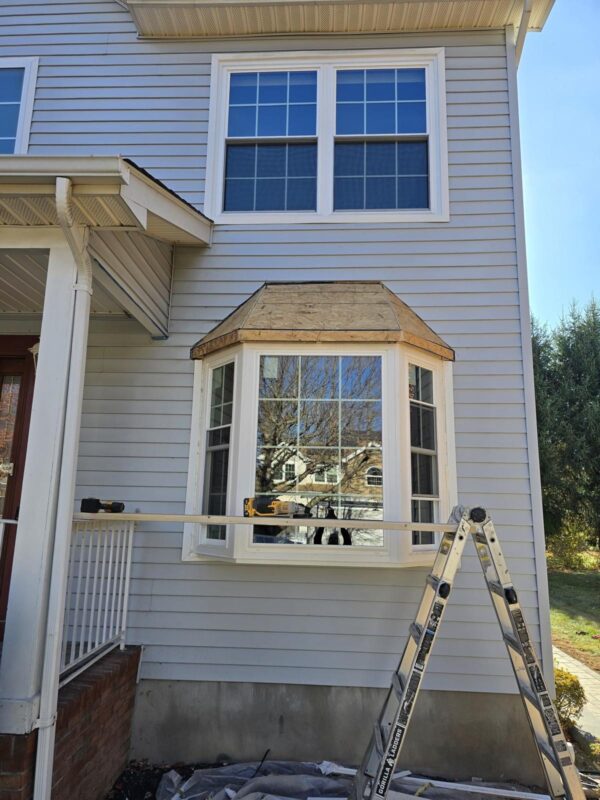
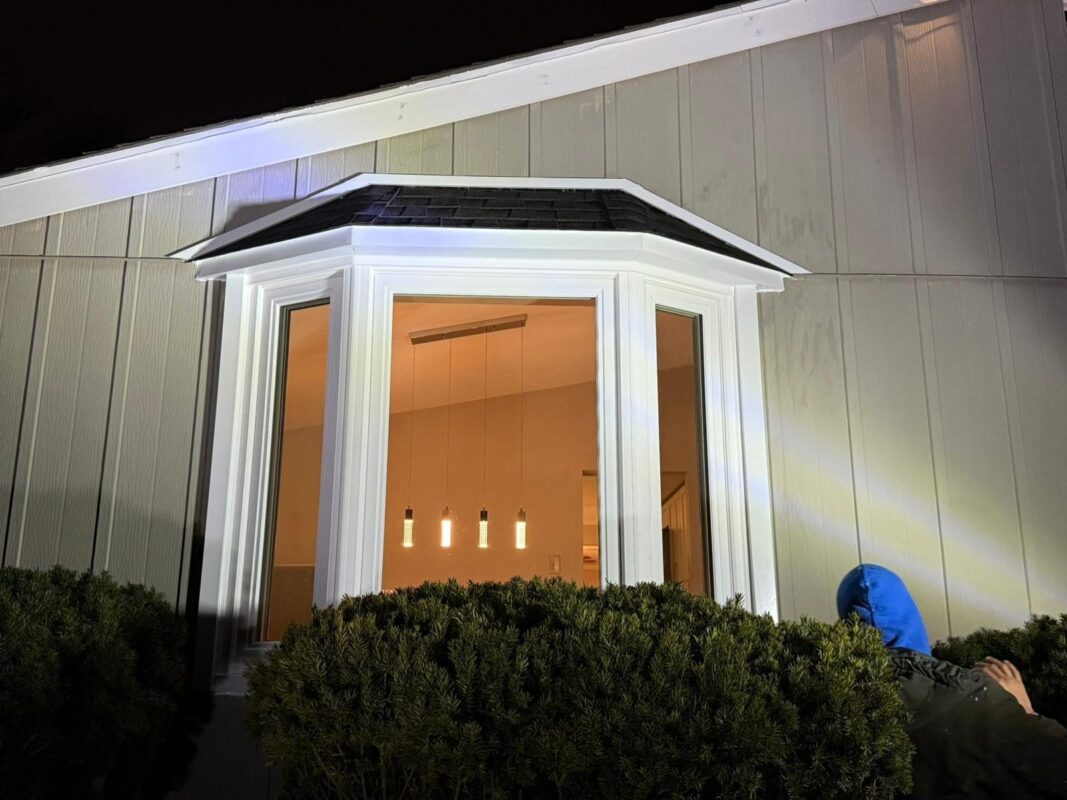
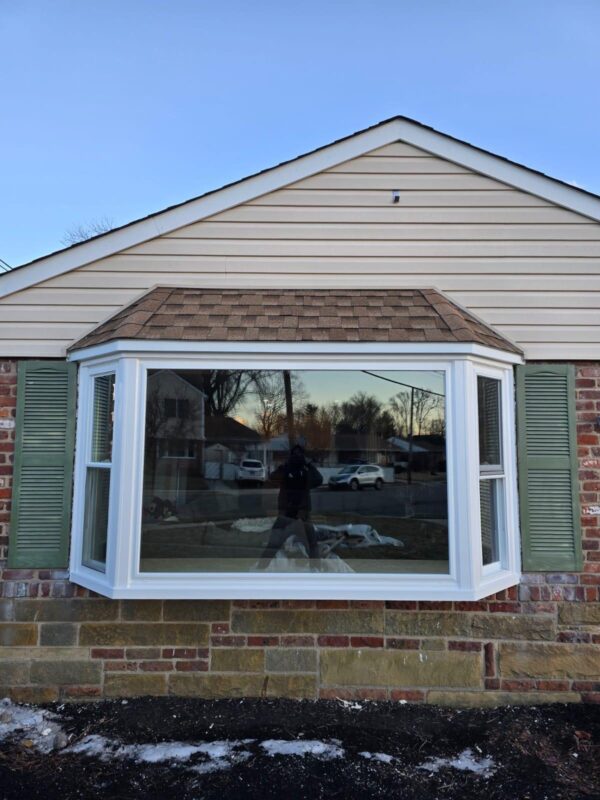
The most common residential application combines a large central picture window with smaller operable units on either side. This configuration, sometimes called a picture window with flankers, delivers the visual impact and energy performance of fixed glass while maintaining ventilation capacity through the side units.
A typical installation in a Bensalem or Philadelphia suburban living room might feature a six foot wide picture window flanked by two 2-foot casement windows. The homeowner gains an eight foot total window opening with 75 percent fixed glass for views and energy performance, while the casement units provide cross-ventilation on mild days.
Installation Considerations and Structural Requirements
Picture windows require proper structural support and careful installation to perform as designed. Several factors influence the installation approach in Pennsylvania homes.
Header Sizing and Load Distribution
Large picture windows create wide openings in exterior walls, requiring adequate headers to carry roof loads around the opening. A six foot picture window typically needs a double 2×10 or engineered lumber header in standard framing, while eight foot or wider units may require steel lintels or laminated veneer lumber beams.
Licensed contractors evaluate the load path above the window, calculate dead and live loads from roof structure and any second story framing, and size headers according to local building code requirements and span tables. Undersized headers lead to deflection, which transfers stress to the window frame and eventually causes seal failure in the insulated glass unit.
Rough Opening Preparation and Shimming
Picture window frames rely on consistent support around the entire perimeter. The rough opening must be plumb, level, and square within tight tolerances, typically plus or minus 1/8 inch over the full dimension. Installers use shims at the sill, jambs, and head to achieve proper alignment before securing the unit.
Because picture windows contain no sash to absorb minor frame distortions, any bow or twist in the frame transfers directly to the glass. This can create stress points that lead to seal failure or, in extreme cases, glass breakage. Professional installation includes strategic shimming and verification with levels and diagonal measurements before final fastening.
Flashing and Weather Barrier Integration
Fixed glass units still require complete weather protection. Proper installation includes a sloped sill pan, jamb flashing that integrates with the building’s water-resistive barrier, and head flashing that directs water away from the top of the frame. In Pennsylvania’s climate, with freeze-thaw cycles and wind-driven rain, these details prevent water intrusion that leads to wall cavity damage and interior moisture problems.
When picture windows are part of a larger exterior installation PA NJ DE project that includes new siding, coordination between trades ensures proper flashing integration and long-term weather tightness.
Glass Options and Performance Specifications
Picture windows support the full range of insulated glass technologies, allowing homeowners to optimize performance for specific orientations and room uses.
Low-E Coatings and Solar Heat Gain Control
Low-emissivity coatings on glass surfaces reduce radiant heat transfer through the window. In heating-dominated Pennsylvania climates, low-E coatings on surface 3 (the interior surface of the outer pane in a double pane unit) reflect interior heat back into the room while allowing solar heat gain to enter. This configuration reduces heating costs during winter months.
South-facing picture windows in living rooms and family rooms benefit from this approach, capturing passive solar heat during the day while minimizing heat loss at night. North-facing installations, which receive minimal direct sun, perform best with low-E coatings that prioritize thermal insulation over solar heat gain.
Triple Pane Construction for Maximum Insulation
Picture windows can accommodate triple pane insulated glass units without the weight constraints that limit operable window configurations. The third pane adds a second insulating air space and an additional low-E coating surface, reducing U-factors to 0.17 to 0.20 or lower, compared to 0.26 to 0.30 for typical double pane low-E units.
The improved insulation delivers two practical benefits: lower heating costs and warmer interior glass temperatures in winter. The warmer glass reduces condensation on interior surfaces, an important consideration in humid homes or rooms with high moisture generation such as kitchens and bathrooms.
Tempered and Laminated Glass for Safety
Building codes require tempered glass in certain locations, including windows with sills below 18 inches above the floor, windows within 24 inches of doors, and large windows in areas subject to human impact. Picture windows in these locations must use tempered glass, which breaks into small granular pieces rather than large shards.
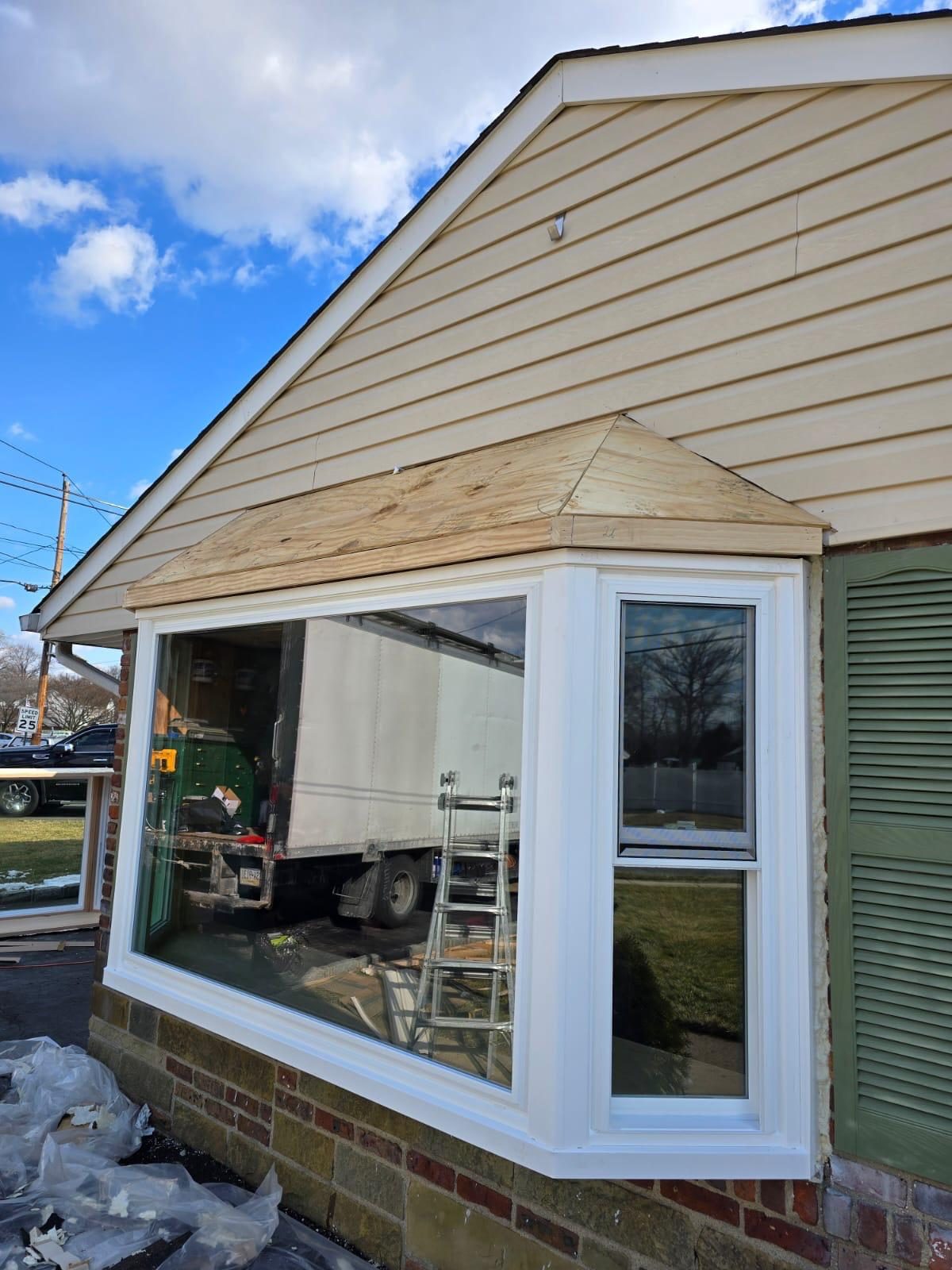
Homeowners concerned about security or storm protection can specify laminated glass, which consists of two panes bonded to a plastic interlayer. Laminated glass holds together when broken, resisting penetration and providing some level of forced-entry deterrence. The interlayer also blocks a significant portion of ultraviolet radiation, protecting interior furnishings from sun damage.
Design Integration and Aesthetic Considerations
Picture windows create strong visual statements in home exteriors and interiors. Thoughtful design integration ensures the windows complement architectural style and interior layouts.
Proportion and Scale Relative to Wall Area
Large picture windows work best in rooms with adequate wall height and width to support the visual scale. A six foot wide picture window looks balanced in a 15 foot wide living room wall, but the same unit appears oversized in a 10 foot wall. General design guidelines suggest the window width should not exceed 50 to 60 percent of the wall width to maintain pleasing proportions.
Vertical proportions matter as well. Standard picture windows use a horizontal orientation, typically with a width-to-height ratio between 1.5:1 and 2:1. This ratio complements the horizontal lines common in ranch and colonial architecture prevalent across Bucks County and surrounding areas.
Frame Material and Color Coordination
Picture windows are available in vinyl, fiberglass, wood, and aluminum-clad wood frames. Material choice affects both performance and appearance. Vinyl frames offer the best value and lowest maintenance, fiberglass provides superior strength for large units, and wood delivers traditional aesthetics for historic homes.
Frame color should coordinate with existing trim, siding, and other windows. White and beige remain the most popular choices in Pennsylvania suburbs, but dark bronze, black, and custom colors allow homeowners to create distinctive exterior appearances or match specific architectural styles.
Interior Treatment and Privacy Management
Picture windows require window treatments that accommodate the large glass area without interfering with the view when open. Common solutions include ceiling-mounted drapery tracks that stack fabric completely off the glass, motorized roller shades that retract into head-mounted cassettes, and horizontal blinds sized to the full width of the opening.
Privacy considerations vary by location. Front-facing picture windows in neighborhoods with close lot spacing may require daytime privacy treatments such as sheer curtains or top-down bottom-up shades that allow light while blocking direct sight lines. Rear-facing units overlooking private yards typically need only nighttime privacy options.
When Operable Windows Make More Sense
Picture windows offer clear benefits in specific applications, but they are not suitable for every location. Several situations call for operable alternatives instead.
Bedrooms and Building Code Requirements
Pennsylvania building codes require all sleeping rooms to have at least one operable window or door for emergency egress. The window must meet minimum size requirements: 5.7 square feet of clear opening area, with no dimension less than 20 inches and the sill no more than 44 inches above the floor. Picture windows do not satisfy this requirement.
Bedrooms need casement, double hung, or slider windows that provide both egress capability and ventilation. Homeowners sometimes install picture windows in bedroom sitting areas or above window seats where the fixed unit supplements an egress-compliant operable window elsewhere in the room.
Kitchens and Areas Requiring Ventilation
Kitchens generate heat, moisture, and cooking odors that require active ventilation. While range hoods exhaust most byproducts, operable windows provide supplementary ventilation and natural cooling. Picture windows work in kitchens only when paired with operable units or when the kitchen has adequate mechanical ventilation and the window’s sole purpose is to provide natural light and a view.
Bathrooms face similar requirements. Building codes mandate mechanical ventilation in bathrooms, but most homeowners prefer operable windows for natural ventilation and moisture control. Picture windows appear in bathrooms only as decorative accent units above tubs or in water closet areas where privacy glass blocks views while admitting light.
Rooms Where Airflow Matters
Homes without central air conditioning rely on natural ventilation and cross-breezes for summer comfort. In these situations, operable windows positioned to create airflow paths deliver better performance than fixed glass. Even in air-conditioned homes, homeowners appreciate the option to open windows during spring and fall when outdoor temperatures allow comfortable natural ventilation.
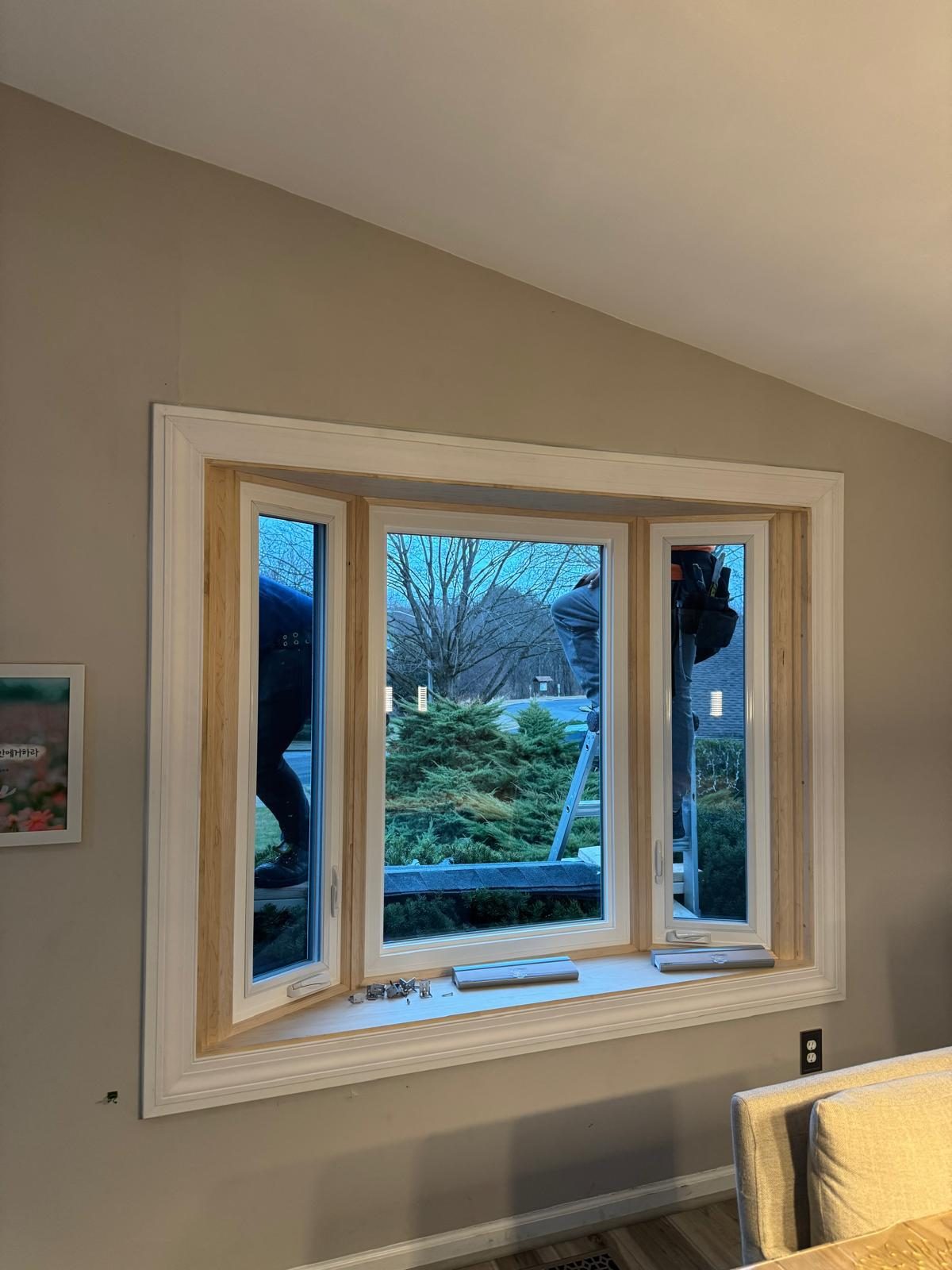
Picture windows work best as part of a mixed strategy: install fixed glass where views and energy performance matter most, and use operable units in locations that benefit from ventilation control.
Cost Factors and Budget Considerations
Picture windows typically cost less than comparable operable units because the simplified construction eliminates hardware, operating mechanisms, and screens. The cost advantage varies by size, frame material, and glass specifications.
Baseline Pricing and Size Scaling
Basic vinyl picture windows in common sizes cost 20 to 35 percent less than double hung windows with the same frame dimensions. The savings increase with window size because operable mechanisms become more expensive as weight increases, while picture windows scale more economically.
Custom sizes, premium frame materials, and high-performance glass packages reduce the cost gap. A large triple pane fiberglass picture window with low-E coatings and argon fill may cost nearly as much as a standard double hung unit, but it still delivers superior energy performance and eliminates future maintenance expenses related to operating hardware.
Installation Labor and Project Complexity
Picture window installation labor costs run slightly lower than operable units because there are no mechanisms to adjust, no sashes to level independently, and no hardware to install. However, large picture windows require careful handling and adequate crew size to position units without damage. The labor savings are modest, typically 10 to 15 percent compared to similar-sized operable windows.
Combination installations that include picture windows with flanking operable units increase project complexity and labor requirements. Each unit must be installed independently, then the combination must be checked for alignment and visual balance.
Long-Term Value and Operating Cost Reduction
The true cost advantage of picture windows emerges over time. With no operating hardware to fail, no weatherstripping to replace, and no mechanisms to adjust, maintenance costs remain minimal. Energy savings compound annually, with well-installed picture windows reducing heating and cooling costs by measurable percentages in rooms where they replace older, less efficient windows.
Homeowners planning to stay in their Pennsylvania properties for extended periods benefit most from picture window installations, as the cumulative savings and avoided maintenance expenses exceed any initial cost premium for high-performance configurations.
Frequently Asked Questions
Can picture windows be installed in locations that currently have operable windows?
Yes, picture windows can replace operable windows in most locations, provided the room does not require the window for building code compliance. Bedrooms must maintain at least one egress-compliant operable window, and some rooms benefit from ventilation capacity, but living rooms, dining rooms, and many other spaces have no code requirement for operable windows. Homeowners should verify that replacing an operable window with fixed glass does not eliminate the only ventilation source in a room or create egress deficiencies in sleeping areas.
Do picture windows perform better in winter or summer?
Picture windows deliver year-round performance benefits, but the advantages differ by season. In winter, the superior air sealing and potential for high-performance glass packages reduce heat loss more effectively than operable windows. In summer, picture windows with properly specified low-E coatings block solar heat gain while maintaining natural light, reducing cooling loads. However, because picture windows cannot be opened for natural ventilation, homes without air conditioning may find operable windows more comfortable during mild spring and fall weather when natural breezes provide adequate cooling.
What size limitations apply to picture windows?
Picture window size is limited by three factors: glass manufacturing capabilities, shipping constraints, and structural loading. Standard residential picture windows range from 2 feet to 8 feet in width, with custom units available up to 10 or 12 feet. Heights typically range from 3 feet to 8 feet. Very large units require special handling during installation and may need engineered structural support. Glass thickness increases with size to maintain safety and prevent deflection, with large units using 3/16-inch or 1/4-inch glass rather than standard 1/8-inch panes. Manufacturers provide load charts that specify maximum sizes for specific frame materials and glass configurations.
How do picture windows affect home resale value?
Picture windows enhance resale value when installed in appropriate locations where they improve natural light, showcase attractive views, or create dramatic architectural features. Real estate agents and appraisers recognize quality window installations as value-adding improvements. However, replacing all operable windows with picture windows can negatively affect value if it eliminates necessary ventilation or creates code compliance issues. The most marketable approach combines picture windows in view-focused locations with operable windows in rooms where ventilation matters, creating a balanced installation that appeals to the broadest range of buyers.
Can picture windows be added to homes with traditional architectural styles?
Picture windows work in most architectural styles when sized and positioned appropriately. Colonial and Victorian homes benefit from picture windows in living rooms and dining rooms, particularly when flanked by smaller double hung units that maintain historical proportions. Ranch homes naturally accommodate large picture windows in front-facing living rooms and rear family rooms. Cape Cod and cottage styles can integrate picture windows in gable-end walls or dormer installations. The key is maintaining proportion relative to the overall facade and selecting frame materials and colors that complement existing trim. Wood or wood-clad frames suit historic styles, while vinyl and fiberglass work well in contemporary and transitional designs common across Pennsylvania suburbs.