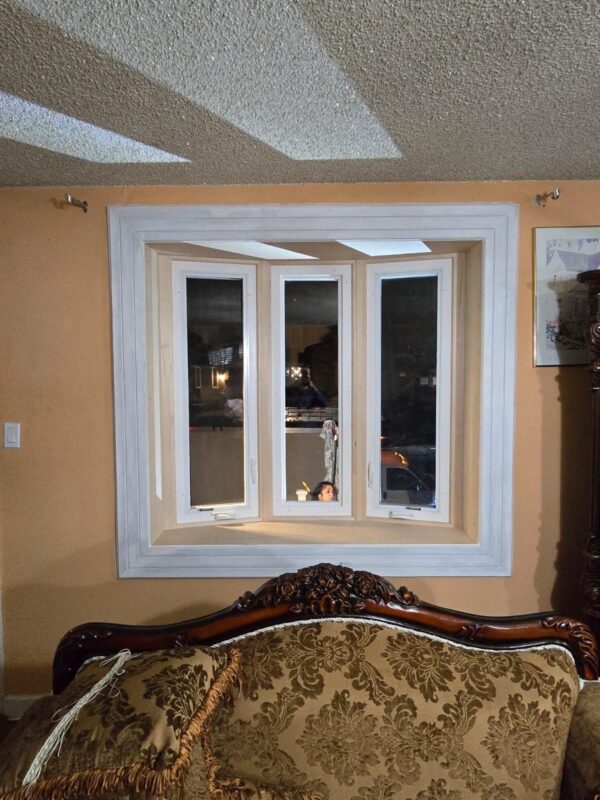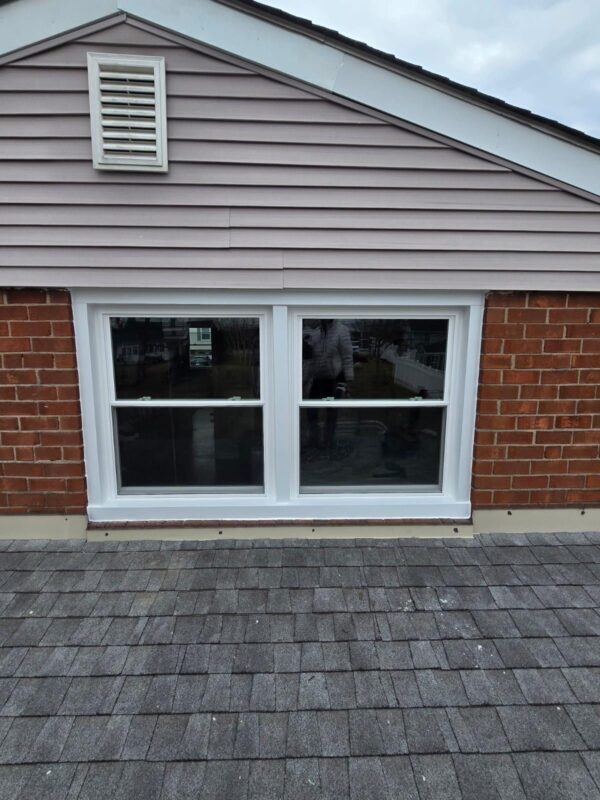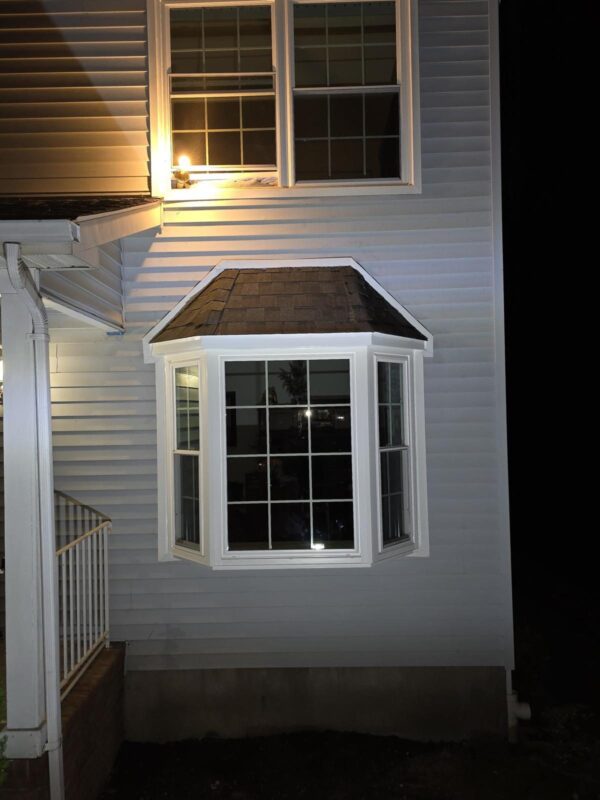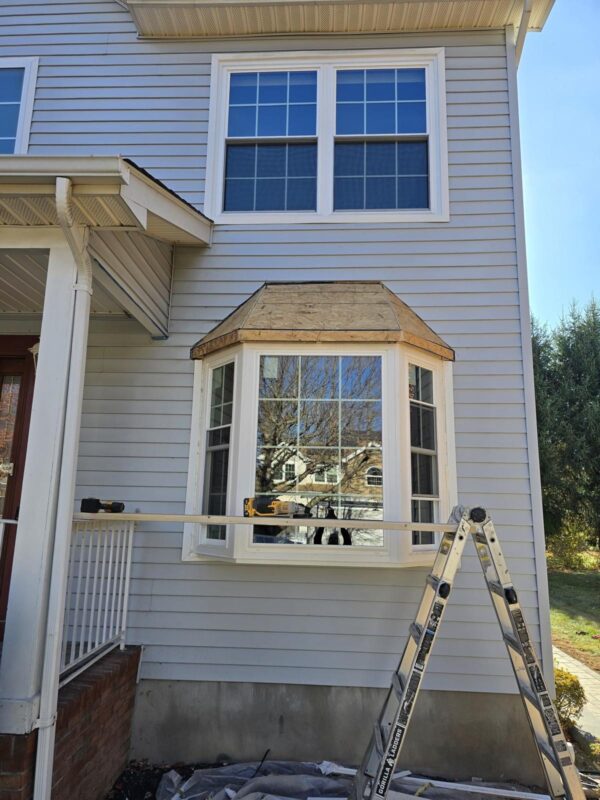
Replacing windows represents a significant home improvement investment for Pennsylvania homeowners. Understanding the warranty protection that comes with replacement windows helps you make informed decisions and protects your investment for years to come. Window warranties typically include two separate components: manufacturer product warranties and contractor installation warranties, each covering different aspects of your new windows.
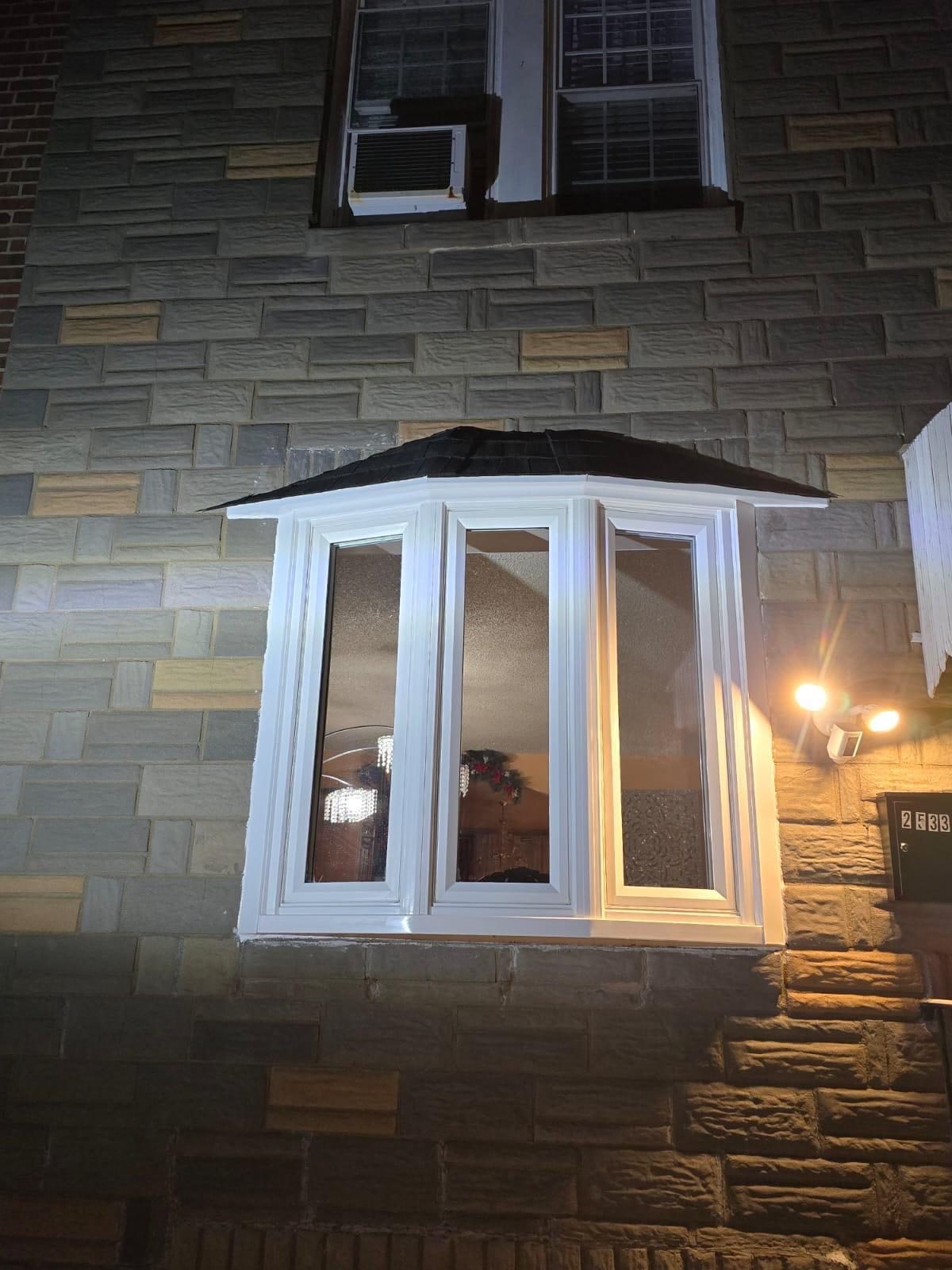
The warranty landscape for residential windows varies considerably between manufacturers and contractors. Some warranties offer lifetime coverage with transferable benefits, while others limit protection to specific components or timeframes. Pennsylvania’s climate with freeze-thaw cycles, summer humidity, and occasional severe weather makes comprehensive warranty coverage particularly valuable for homeowners across Bucks County, Philadelphia suburbs, and the broader Tri State Area.
Two Types of Window Warranties Every Homeowner Should Know
When you purchase new windows, you receive protection from two distinct sources. Manufacturer warranties cover the window product itself, including glass, frame materials, hardware mechanisms, and factory-applied finishes. These warranties typically run from ten years to lifetime, depending on the brand and product line. Premium manufacturers often provide transferable lifetime warranties that add resale value to your home.
Contractor installation warranties protect the workmanship and proper installation of your windows. A quality installer guarantees their work against installation defects, improper flashing, air infiltration from poor sealing, and structural integration issues. Installation warranties typically range from one year to ten years, with experienced contractors offering longer coverage periods that demonstrate confidence in their team’s expertise.
Critical distinction: A manufacturer warranty does not cover damage caused by improper installation. Similarly, an installation warranty does not replace defective glass or hardware. Both warranties work together to provide complete protection.
What Manufacturer Warranties Actually Cover
Premium window manufacturers structure their warranties into several coverage tiers. Understanding what each tier protects helps you evaluate the true value of different window brands and product lines.
Glass and Insulated Unit Coverage
The insulated glass unit, or IGU, represents the most critical component of modern energy efficient windows. Most manufacturers warrant IGU seal failure for 10 to 20 years, with some premium brands offering lifetime glass coverage. Seal failure shows up as condensation between panes, haziness, or mineral deposits that cannot be cleaned from the outside.
Glass breakage from manufacturing defects typically receives coverage, but breakage from impact, severe weather, or installation stress usually falls outside warranty protection. Some manufacturers offer upgraded glass warranties that cover accidental breakage, though these often require an additional purchase at installation time.
Frame and Sash Materials
Vinyl window frames typically carry longer warranty periods than wood or composite materials. Vinyl frame warranties commonly extend to lifetime coverage, protecting against cracking, peeling, blistering, and corrosion. Wood window warranties usually run shorter, covering 5 to 20 years against rot and decay when properly maintained.
Fiberglass and composite frame materials fall between vinyl and wood in warranty duration, typically offering 20 years to lifetime coverage. These warranties protect against structural failure but often exclude finish deterioration from weathering unless specific finish warranties apply separately.
Hardware and Operating Mechanisms
Window hardware, including locks, balances, operators, and hinges, generally receives shorter warranty coverage than frames and glass. Hardware warranties typically range from 2 to 10 years, reflecting the mechanical wear these components experience through regular use.
Premium manufacturers sometimes offer lifetime hardware coverage, though terms may limit claims to replacement parts without covering labor for installation. Understanding whether hardware warranties include professional installation of replacement parts or only the parts themselves affects the true cost of future repairs.
Installation Warranty Components and Coverage Duration
A comprehensive installation warranty from your contractor protects the quality and durability of the window installation work. Santos Replacement and other professional installers across the Tri State Area structure their workmanship guarantees to address common installation-related issues Pennsylvania homeowners face.
- Air and water infiltration: Proper flashing, sealing, and integration with exterior cladding prevents leaks and drafts. Installation warranties typically cover infiltration problems for 1 to 5 years.
- Structural integration: Windows must support their own weight and resist wind loads without sagging or binding. Quality installers warranty structural aspects for 2 to 10 years.
- Interior and exterior trim work: Finish carpentry, caulking, and trim details receive coverage matching the overall installation warranty period.
- Operational adjustment: Newly installed windows should open, close, and lock smoothly. Installers typically warranty proper operation for the duration of their workmanship guarantee.
Installation warranty duration often reflects contractor experience and confidence. Contractors who have completed hundreds of installations across diverse Pennsylvania home styles typically offer longer warranty periods, knowing their installation methods withstand local climate challenges.
Warranty Registration and Documentation Requirements
Many manufacturer warranties require registration within 30 to 90 days of installation to activate full coverage. Registration typically requires proof of purchase, installation date, and property address. Some manufacturers allow online registration through their websites, while others require mailed registration cards.
Keep detailed documentation of your window purchase and installation:
- Original purchase contract with itemized window specifications
- Manufacturer warranty booklets for each window brand
- Contractor installation warranty certificate
- Before and after installation photos
- Any manufacturer registration confirmation
- Maintenance records showing compliance with warranty requirements
Pennsylvania homeowners planning to sell within the warranty period should verify whether their window warranties transfer to new owners. Transferable warranties add measurable value during home sales, particularly when selling to buyers prioritizing energy efficiency and low-maintenance features.
Common Warranty Exclusions Pennsylvania Homeowners Should Know
Understanding what window warranties do not cover prevents surprise expenses and helps you protect your investment through proper maintenance and realistic expectations.
Normal Wear and Maintenance Items
Warranties exclude deterioration from normal use and aging. Weatherstripping compression, caulk shrinkage, finish fading from UV exposure, and hardware lubrication fall under homeowner maintenance responsibilities. Most manufacturers require specific maintenance procedures to keep warranties valid, including regular cleaning with approved products and periodic hardware adjustment.
Installation-Related Damage and Improper Use
Manufacturer warranties exclude damage from improper installation, structural settling, or modifications after installation. Installing window air conditioners, security bars, or aftermarket tinting often voids specific warranty components. Always check manufacturer guidelines before modifying new windows.
Installation warranties exclude damage from homeowner modifications, severe weather events classified as acts of God, and deterioration caused by deferred maintenance. Contractors cannot warranty against foundation settlement, structural failure of the home itself, or damage from events outside their control.
Condensation and Climate Conditions
Interior condensation on window glass typically falls outside warranty coverage, as it results from indoor humidity levels rather than window defects. Pennsylvania winters create ideal conditions for condensation when indoor humidity meets cold glass surfaces. Only condensation between panes of glass indicates IGU seal failure covered by manufacturer warranties.
Pennsylvania climate note: Homes in Bucks County, Newtown, Yardley, and surrounding areas experience significant temperature swings. Understanding the difference between interior condensation (normal) and between-pane condensation (warranty claim) prevents unnecessary service calls.
How to File a Warranty Claim Effectively
When you identify a potential warranty issue, prompt action and proper documentation improve claim success rates. Contact your installer first for installation-related concerns, as they can often address problems quickly without involving the manufacturer.
For manufacturer warranty claims, follow this process:
- Document the issue with clear photographs from multiple angles
- Locate your warranty registration and purchase documentation
- Contact the manufacturer’s warranty department by phone or online portal
- Provide all requested information including installation date and product details
- Follow manufacturer instructions for inspection or evaluation
- Coordinate with your original installer if manufacturer requires professional assessment
Many manufacturers require an authorized dealer or installer to verify the issue before approving warranty claims. Working with your original contractor, if still available, streamlines this verification process. If your original installer is no longer in business, contact the manufacturer directly for guidance on approved evaluators in your area.
Warranty Considerations for Historic Pennsylvania Homes
Historic homes in Philadelphia, Levittown, and older Bucks County neighborhoods present unique warranty considerations. Some window manufacturers offer specialized warranty terms for historic replacement windows that accommodate non-standard sizes, custom configurations, or specific architectural requirements.
Installation warranties for historic homes may include different terms addressing challenges like irregular openings, masonry integration, or matching existing architectural details. Contractors experienced with window installation in historic properties structure their warranties to account for these variables while protecting both homeowner and contractor.
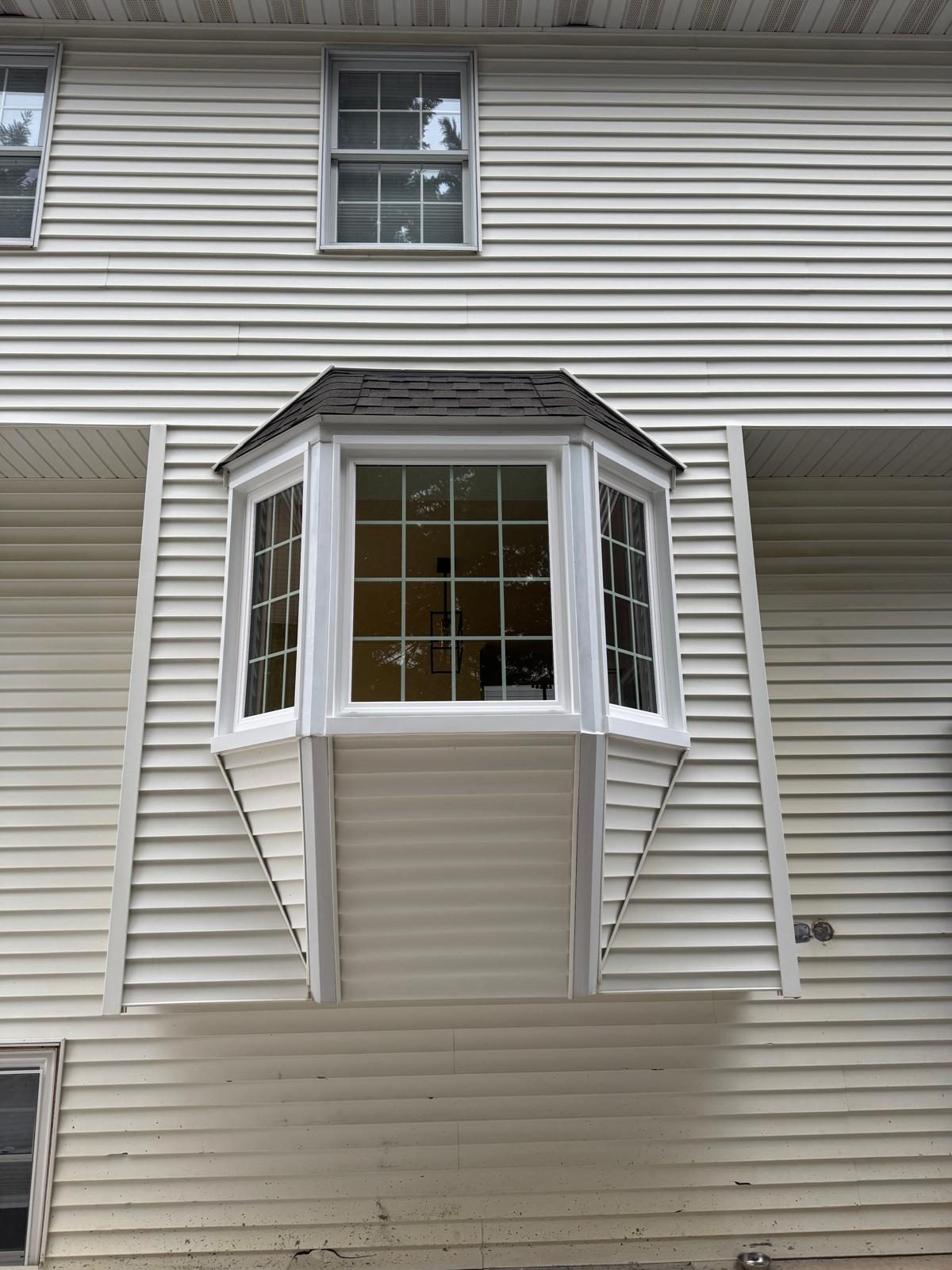
Municipal historic district requirements sometimes mandate specific window styles or materials. Verify that warranty coverage applies to historically appropriate window products before finalizing your purchase, as some manufacturers exclude custom historic reproductions from standard warranty programs.
Transferable Warranties and Home Resale Value
Transferable window warranties add quantifiable value during home sales. Buyers researching energy efficient features and recent upgrades view transferable warranties as evidence of quality and ongoing protection. Some manufacturer warranties transfer automatically to new owners, while others require formal transfer notification with associated fees.
When selling your Pennsylvania home, provide buyers with complete warranty documentation including:
- Manufacturer warranty certificates or booklets
- Warranty registration confirmation
- Installation date and contractor information
- Maintenance records demonstrating warranty compliance
- Transfer procedures and any associated costs
Highlight warranty coverage in listing materials and disclosure documents. Buyers comparison shopping between similar properties often favor homes with documented, transferable window warranties that reduce their future maintenance risk.
Extended Warranty and Service Protection Options
Some window manufacturers and contractors offer extended warranty programs or service protection plans for additional purchase. These programs typically extend coverage periods, reduce deductibles, or include components excluded from standard warranties such as accidental glass breakage or hardware replacement labor.
Evaluate extended warranty offers carefully, comparing the additional cost against the likelihood of claims and coverage improvements. Premium window products with comprehensive standard warranties often make extended coverage unnecessary, while budget products with limited base warranties may benefit from extended protection.
Third-party home warranty companies sometimes offer window coverage as part of broader home systems protection. Review these policies carefully, as coverage limits, claim processes, and contractor networks may differ significantly from manufacturer or installer warranties.
Maintaining Warranty Validity Through Proper Care
Window warranties typically require homeowner compliance with maintenance recommendations. Manufacturers publish specific cleaning and care instructions designed to preserve finish quality, hardware operation, and seal integrity throughout the warranty period.
Common maintenance requirements include:
- Cleaning glass and frames with approved, non-abrasive products
- Lubricating hardware mechanisms annually with recommended lubricants
- Inspecting and replacing weatherstripping when compressed or damaged
- Keeping weep holes clear to allow moisture drainage
- Removing debris from tracks and operating channels
- Avoiding harsh chemicals, pressure washing, or abrasive cleaning tools
Document your maintenance activities with dated photographs and receipts for cleaning products. If you file a warranty claim, this documentation proves compliance with manufacturer requirements and strengthens your claim position.
Professional window cleaning services familiar with warranty requirements can help Pennsylvania homeowners maintain coverage while ensuring proper care. Some contractors offer annual maintenance programs that include documentation for warranty compliance purposes.
Choosing Windows Based on Warranty Strength
Warranty coverage quality serves as a reliable indicator of manufacturer confidence in their products. Companies offering comprehensive lifetime warranties typically build windows to higher standards than manufacturers limiting coverage to minimum periods.
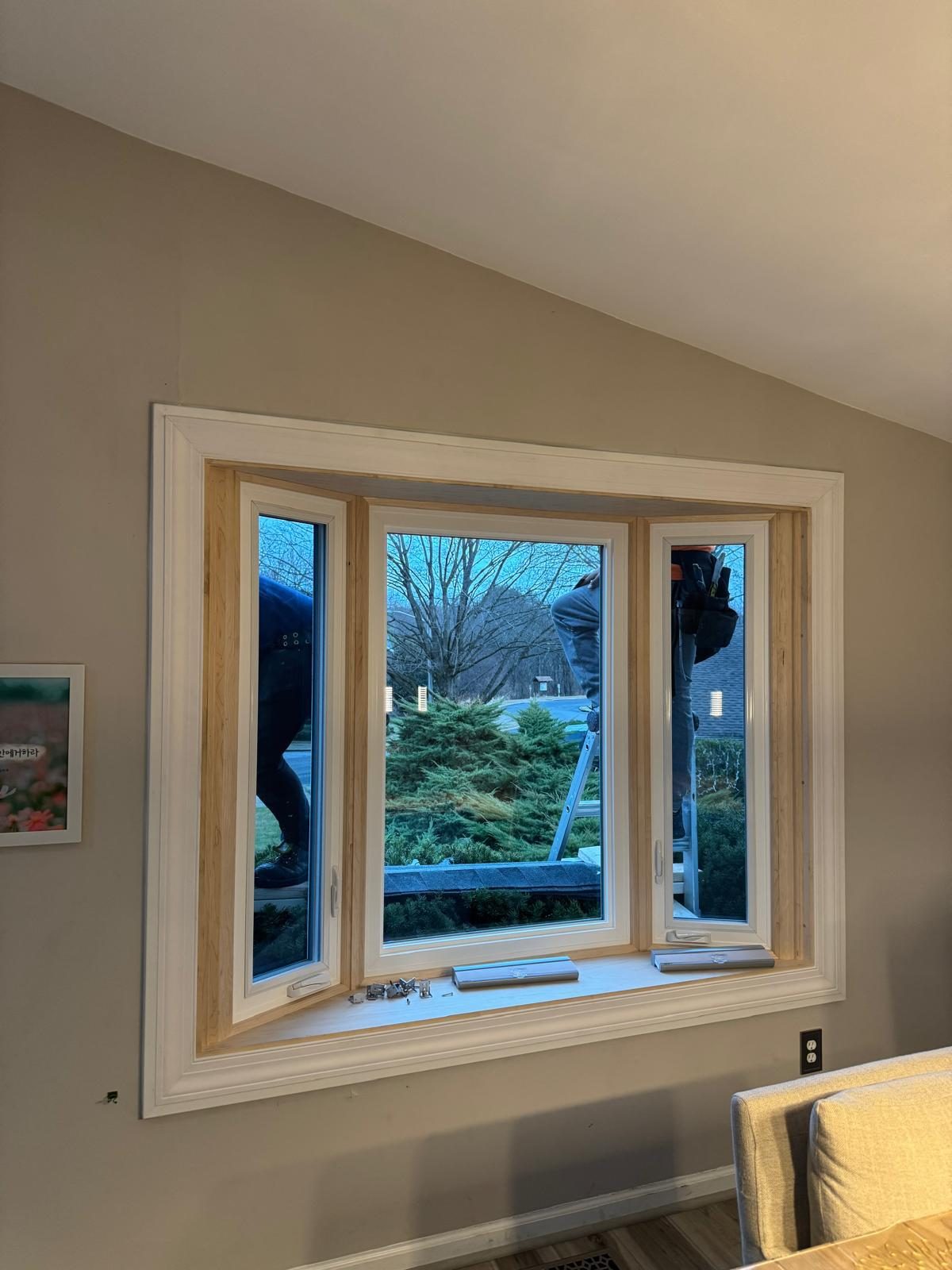
When comparing window brands, evaluate warranty strength alongside energy efficient windows performance, material quality, and price. A slightly higher upfront investment in windows with superior warranty protection often reduces lifetime ownership costs through fewer repairs and longer replacement cycles.
Consider these warranty factors during window selection:
- Coverage duration for glass, frame, and hardware components
- Transferability to future homeowners without restrictions
- Whether warranty includes replacement labor or parts only
- Manufacturer reputation for honoring warranty claims
- Deductibles or service fees for warranty work
- Specific exclusions and maintenance requirements
Santos Replacement works with window manufacturers whose warranty programs demonstrate long-term commitment to product quality and customer protection. Discussing warranty details during your consultation helps identify the right balance of features, performance, and protection for your specific home and budget.
Questions to Ask Before Signing Your Window Contract
Before committing to a window replacement project, clarify warranty details with both manufacturer and installer. Understanding coverage specifics prevents future disputes and ensures you receive the protection you expect.
Ask your contractor these essential warranty questions:
- What specific aspects does your installation warranty cover?
- How long does your workmanship guarantee remain in effect?
- Who performs warranty service if issues arise?
- What documentation do you provide at project completion?
- How should I contact you for warranty service in the future?
- Does your warranty remain valid if your company changes ownership?
Ask about manufacturer warranty terms:
- Which warranty tier applies to the windows we selected?
- What components receive lifetime coverage versus limited terms?
- Does the warranty transfer if we sell the home?
- What maintenance does the manufacturer require?
- How do we register the warranty and by what deadline?
- What process should we follow if we need warranty service?
Request copies of all warranty documents before installation begins. Review the terms carefully and ask for clarification on any points that seem unclear or overly restrictive.
Frequently Asked Questions About Window Warranties
Do window warranties cover glass breakage from storms or accidents?
Standard window warranties typically exclude glass breakage from storms, accidents, or impacts. Manufacturer warranties cover defects in glass manufacturing and seal failures between panes, but external damage falls outside warranty protection. Some manufacturers offer optional accidental glass breakage coverage for additional purchase at installation time. Homeowners insurance policies usually cover storm damage and accidents, though deductibles apply. If a severe weather event damages your windows, contact your insurance provider rather than relying on product warranties for glass replacement.
How long should I expect a quality window installation warranty to last?
Professional window installers across Pennsylvania typically offer installation warranties ranging from one year to ten years depending on company size, experience, and confidence in their work. Experienced contractors with hundreds of completed projects often provide five to ten year workmanship guarantees covering air infiltration, water leaks, operational issues, and structural integration. One year warranties represent minimum acceptable coverage, while contractors offering longer terms demonstrate greater confidence in installation quality. Santos Replacement provides comprehensive installation warranties that protect your investment throughout the critical initial years when installation-related issues typically appear.
Will my window warranty transfer if I sell my home?
Manufacturer warranty transferability varies by brand and product line. Many premium window manufacturers offer transferable lifetime warranties that pass to new homeowners automatically or with simple notification procedures. Some brands charge nominal transfer fees, typically ranging from no charge to a few hundred dollars. Budget window lines sometimes limit warranties to original purchasers without transfer options. Installation warranties rarely transfer to new owners, as they represent an agreement between the original homeowner and contractor. When selling your Pennsylvania home, provide buyers with complete warranty documentation and contact information for manufacturers that offer transferable coverage.
What maintenance must I perform to keep my window warranty valid?
Window manufacturers require specific maintenance to maintain warranty validity. Standard requirements include cleaning glass and frames with non-abrasive, ammonia-free products, lubricating hardware mechanisms annually with silicone spray or recommended lubricants, keeping weep holes clear for moisture drainage, and avoiding harsh chemicals or pressure washing. Vinyl frames require gentle cleaning with mild soap and water, while wood windows need periodic inspection for finish deterioration with repainting or refinishing as needed. Document your maintenance activities with dated photographs, as manufacturers may request proof of proper care when processing warranty claims. Review your specific warranty booklet for detailed maintenance requirements, as terms vary between manufacturers.
Can I claim warranty service if my original installer is no longer in business?
Manufacturer product warranties remain valid regardless of installer business status, as the warranty runs between you and the window manufacturer rather than the installer. Contact the manufacturer directly through their warranty department to initiate claims if your original installer is unavailable. The manufacturer will provide instructions for having an authorized dealer or inspector verify the issue. Installation workmanship warranties typically become void if the contractor ceases business operations, as no entity remains to honor the guarantee. This represents one reason to choose established contractors with long operational histories when selecting your window installer. Reputable manufacturers maintain networks of authorized service providers who can assess warranty claims even when the original installer is unavailable.