Window replacement in Pennsylvania carries specific considerations that homeowners in the Tri State Area should understand before starting any project. From local building codes in Bucks County townships to energy efficiency requirements across the state, Pennsylvania window projects require careful planning and compliance with regional standards.
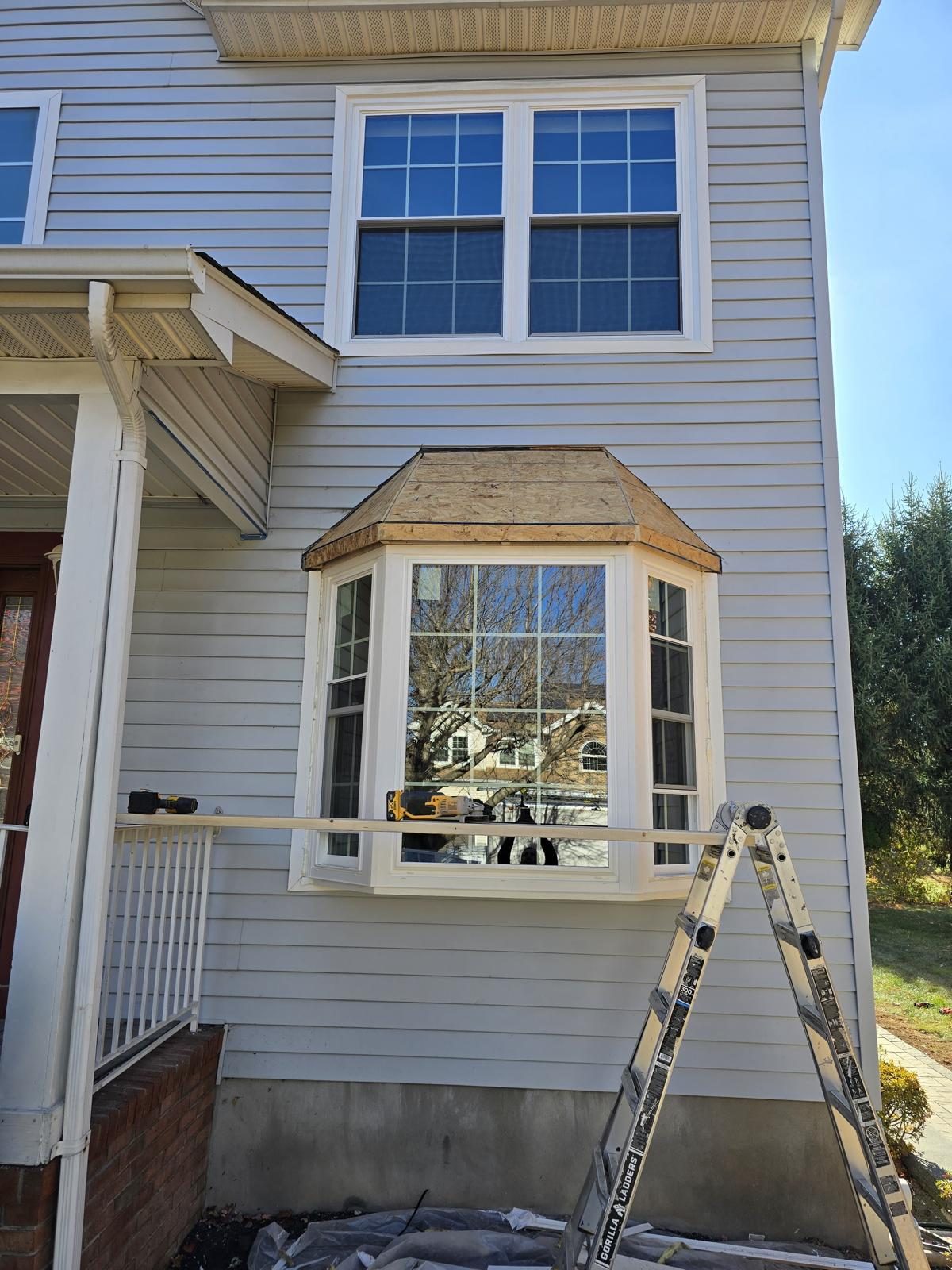
This guide walks through the complete process of window replacement PA NJ DE, covering permits, materials, installation considerations, and long-term performance factors specific to Pennsylvania’s climate and regulatory environment.
Pennsylvania Building Codes and Permit Requirements
Most window replacement projects in Pennsylvania require a building permit, though requirements vary by township. In Bucks County communities like Langhorne, Newtown, and Yardley, homeowners typically need permits when replacing windows in load-bearing walls or changing window dimensions.
Permit requirements generally cover:
- Structural openings: Any change to rough opening size requires engineering review
- Energy compliance: New windows must meet Pennsylvania’s energy code minimums
- Egress requirements: Bedroom windows must meet specific size and operation standards for emergency exit
- Historic districts: Properties in designated historic areas face additional design restrictions
Township building departments in the Tri State Area typically require:
- Completed permit application with property details
- Manufacturer specifications showing U-factor and SHGC ratings
- Window schedule showing location, size, and type of each unit
- Installation method documentation for structural openings
Permit Tip: Submit permit applications at least two weeks before planned installation. Most Bucks County townships process window replacement permits within five to ten business days.
Pennsylvania Energy Code Requirements
Pennsylvania adopted energy efficiency standards that directly impact window selection. The state follows the International Energy Conservation Code (IECC) with specific amendments for climate zone compliance.
Pennsylvania falls primarily into Climate Zone 5, which requires:
- U-factor maximum: 0.32 for most residential windows
- SHGC considerations: No minimum required, but lower values reduce cooling loads
- Air leakage: Maximum 0.3 cubic feet per minute per square foot of window area
These ratings appear on the ENERGY STAR label affixed to compliant windows. Contractors must provide documentation proving code compliance before final inspection approval.
Best Window Types for Pennsylvania Climate
Pennsylvania’s climate combines cold winters, humid summers, and significant seasonal temperature swings. Window selection should address thermal performance, moisture management, and long-term durability under these conditions.
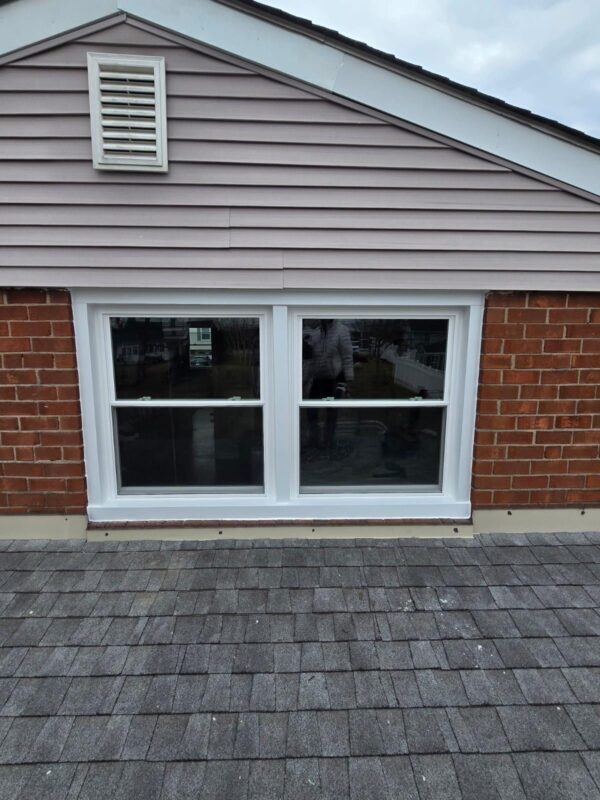
Double-Hung Windows
The most common replacement windows in Pennsylvania homes, double-hung units offer:
- Both sashes tilt inward for cleaning from inside
- Traditional appearance matching most architectural styles
- Ventilation control with top and bottom sash operation
- Wide availability in energy-efficient configurations
Quality double-hung windows with low-E coatings and argon gas fills typically achieve U-factors between 0.26 and 0.30, exceeding Pennsylvania code requirements by 5 to 20 percent.
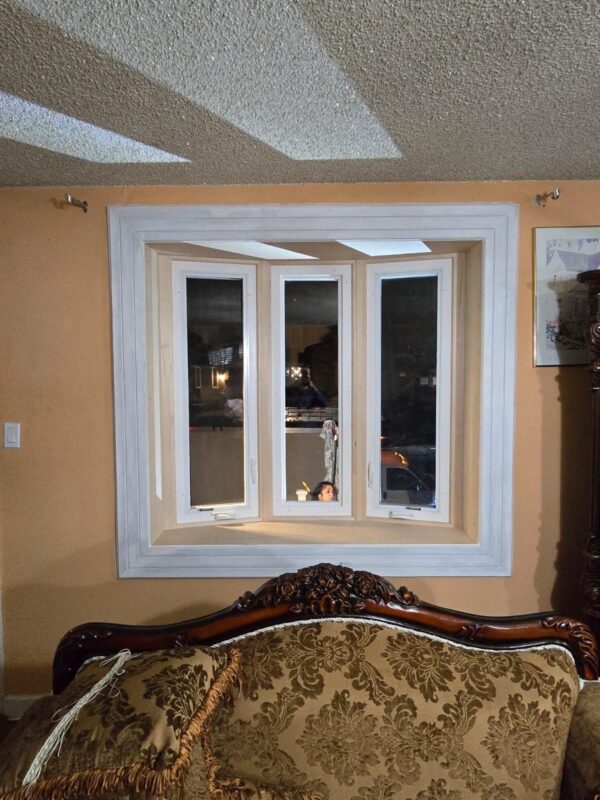
Casement Windows
Casement windows provide superior air sealing compared to double-hung units. When closed, the sash compresses against the frame, creating a tight seal that minimizes air infiltration.
Pennsylvania homeowners choose casement windows for:
- Unobstructed views with no center rail
- Maximum ventilation when fully opened
- Enhanced security with multi-point locking systems
- Better performance in high-wind conditions
The compression seal design makes casement windows particularly effective in exposed locations common across Bucks County properties.
Sliding Windows
Horizontal sliding windows work well in Pennsylvania homes with limited exterior clearance. The sash slides horizontally rather than swinging outward, making them ideal for installations near decks, walkways, or plantings.
Consider sliding windows when:
- Exterior space restricts casement operation
- Wide openings benefit from horizontal design
- Contemporary aesthetic matches home architecture
- Basement or ground-level installations need easy operation
Window Frame Material Comparison
Frame material significantly impacts window performance, maintenance requirements, and longevity in Pennsylvania’s climate.
| Material | Thermal Performance | Maintenance | Lifespan | Best For |
|---|---|---|---|---|
| Vinyl | Excellent (U-factor 0.26-0.30) | Minimal, no painting | 20-40 years | Energy efficiency, low maintenance |
| Fiberglass | Superior (U-factor 0.23-0.28) | Minimal, no painting | 30-50 years | Extreme durability, dimensional stability |
| Wood | Good (U-factor 0.30-0.35) | Regular painting/staining | 30-40 years | Historic homes, traditional appearance |
| Aluminum | Poor (U-factor 0.50-0.70) | Minimal | 20-30 years | Commercial, contemporary design |
| Composite | Excellent (U-factor 0.25-0.29) | Minimal | 25-45 years | Paint-ready, structural stability |
Vinyl windows dominate Pennsylvania replacement projects, representing approximately 70 percent of installations across the Tri State Area. The combination of thermal performance, low maintenance, and competitive pricing makes vinyl the practical choice for most homeowners.
Fiberglass frames offer superior performance but typically cost 15 to 30 percent more than comparable vinyl units. Properties in harsh exposure conditions or those seeking maximum longevity benefit from fiberglass construction.
Wood Windows in Pennsylvania
Wood windows remain popular in historic districts and traditional architecture throughout Bucks County. Properties in Newtown’s historic core or designated preservation areas often require wood windows to maintain architectural character.
Modern wood windows incorporate:
- Factory-applied exterior cladding (aluminum or vinyl) for weather protection
- Multi-chambered frames with thermal breaks
- Preserved or engineered wood species resistant to decay
- Low-E glass packages matching energy requirements
Maintenance requirements include periodic inspection of exterior finishes and repainting every five to ten years, depending on exposure and climate conditions.
Glass Technology for Pennsylvania Performance
Glass packages contribute more to overall window performance than frame material. Pennsylvania homeowners should understand available glass technologies and their impact on comfort and energy costs.
Low-E Coatings
Low-emissivity coatings consist of microscopic metallic layers applied to glass surfaces. These coatings reflect infrared energy while allowing visible light transmission.
Pennsylvania climate benefits from:
- Low-E2 or Low-E3: Moderate solar heat gain reduction with strong insulation properties
- Position on surface 3: Coating applied to inner surface of outer pane maximizes winter heat retention
- Visible light transmission: 60 to 70 percent maintains natural lighting while controlling heat transfer
Quality low-E coatings improve window U-factor by 25 to 40 percent compared to clear dual-pane units, directly reducing heating costs during Pennsylvania winters.
Gas Fills
Argon or krypton gas between panes reduces convective heat transfer. These inert gases are denser than air, slowing heat movement through the window cavity.
Gas fill considerations:
- Argon: Standard for most residential applications, improves U-factor by approximately 15 percent
- Krypton: Used in narrower cavity widths, provides slightly better performance but higher cost
- Longevity: Quality seals maintain gas fill for 20-plus years in properly manufactured units
Argon-filled windows with low-E coatings represent the standard specification for Pennsylvania replacement projects, balancing performance and cost effectively.
Triple-Pane Windows
Triple-pane construction adds a third glass layer and second insulating cavity. While less common than dual-pane units, triple-pane windows offer measurable benefits in Pennsylvania’s climate.
Advantages include:
- U-factors as low as 0.17 to 0.22, exceeding code by up to 50 percent
- Superior sound reduction for properties near highways or commercial areas
- Reduced condensation risk on interior glass during extreme cold
- Enhanced comfort near window areas during winter months
The additional performance typically costs 15 to 25 percent more than comparable dual-pane units. Homeowners prioritizing maximum energy efficiency or those replacing windows in master bedrooms, home offices, or frequently occupied spaces see the greatest value from triple-pane investment.
Installation Considerations for Pennsylvania Homes
Proper installation determines long-term window performance regardless of product quality. Pennsylvania’s weather patterns, older housing stock, and varied construction methods require careful installation planning.
Rough Opening Preparation
Many Pennsylvania homes built before 1980 have settling or structural movement that affects window openings. Before installation begins:
- Check opening square: Measure diagonally corner to corner; differences exceeding one quarter inch require correction
- Inspect framing: Look for rot, insect damage, or structural issues around existing openings
- Verify plumb and level: Use a four-foot level to check jamb positions
- Address water damage: Replace any deteriorated framing before new window installation
Professional installers incorporate structural repair PA NJ DE services when existing conditions require remediation before window replacement proceeds.
Weatherproofing and Flashing
Pennsylvania receives an average of 40 to 50 inches of precipitation annually across the Tri State Area. Proper weatherproofing prevents water intrusion that causes premature failure.
Critical weatherproofing steps include:
- Apply sill pan flashing at the base of the opening before window installation
- Install window according to manufacturer instructions with proper shimming
- Apply flexible flashing tape along jambs and head, lapping over sill pan
- Seal exterior perimeter with high-quality polyurethane or silicone caulk
- Install drip cap above window head to direct water away from opening
The flashing sequence creates layered protection, with each component directing water downward and outward, away from wall cavities.
Insulation and Air Sealing
The gap between window frame and rough opening requires proper insulation and air sealing to achieve rated performance.
Best practices include:
- Low-expansion foam: Apply minimally expanding foam around perimeter, avoiding over-application that can bow frames
- Fiberglass or mineral wool: Pack loosely in larger gaps before foam application
- Interior air barrier: Seal interior perimeter with acoustical sealant before trim installation
- Vapor management: Consider climate-appropriate vapor retarder strategies in wall assembly
Professional contractors understand that improper foam application can warp frames and interfere with window operation. Proper technique applies foam in thin beads, allowing expansion without frame distortion.
Historical Home Window Replacement
Pennsylvania’s rich architectural heritage includes thousands of properties built before 1940. Window replacement in historical homes requires balancing preservation with performance.
Preservation Considerations
Properties in designated historic districts face design review before window replacement. Review boards typically evaluate:
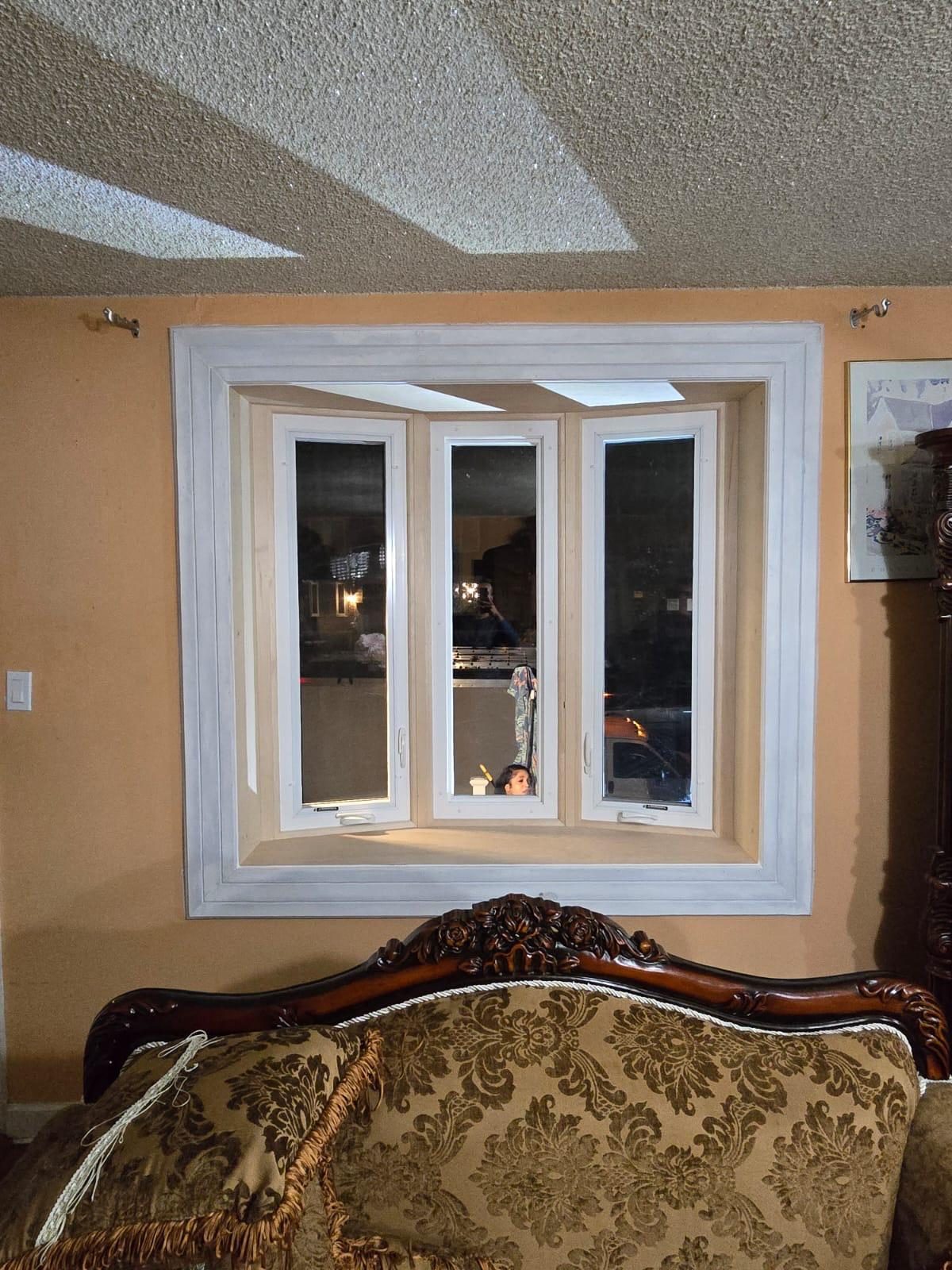
- Visual compatibility with original window appearance
- Muntin configuration and profile matching historical patterns
- Material selection (wood often required in visible elevations)
- Operation type maintaining original functionality
Many historic districts allow vinyl or fiberglass windows on rear or non-street-facing elevations while requiring wood on primary facades.
Replication Options
Modern windows can replicate historical appearance while incorporating energy-efficient technology:
- Simulated divided lites: Muntin grids applied to glass surfaces with spacer bars between panes create traditional appearance
- Custom sizing: Manufacturers produce windows matching non-standard historical dimensions
- Period hardware: Traditional locks, lifts, and accessories maintain authentic appearance
- Color matching: Custom paint or stain finishes replicate original appearance
Homeowners balancing preservation and performance often choose high-quality simulated divided lite windows with low-E coatings and argon fills, achieving modern thermal performance with traditional aesthetics.
Window Replacement and Home Value
Window replacement represents one of the more impactful exterior improvements Pennsylvania homeowners can make. The project affects curb appeal, energy efficiency, and resale value.
Return on Investment
National remodeling studies consistently show window replacement recovers a significant portion of project cost at resale. Factors affecting return include:
- Condition of existing windows (severe deterioration makes replacement more valuable)
- Energy efficiency improvement (larger utility savings increase buyer appeal)
- Aesthetic improvement (dated or mismatched windows see greater value gain)
- Local market conditions (competitive markets reward updated features)
In the Philadelphia metro area and Bucks County markets, updated energy efficient windows contribute measurably to appraisal values, particularly when combined with other exterior improvements.
Refinancing and Appraisal Impact
Homeowners refinancing after window replacement often see appraisal increases that improve loan terms. Appraisers consider:
- Energy efficiency certifications and documentation
- Quality of materials and installation
- Overall condition improvement compared to neighborhood standards
- Remaining useful life of building components
Providing permit documentation, manufacturer warranties, and energy performance data to appraisers helps ensure proper valuation of window replacement investment.
Choosing a Window Contractor in Pennsylvania
Contractor selection significantly impacts project outcome. Pennsylvania homeowners should verify credentials, experience, and business practices before signing contracts.
Licensing and Insurance Verification
Pennsylvania requires home improvement contractors to register with the Office of Attorney General. Verify registration status and check for complaints or enforcement actions.
Additionally confirm:
- General liability insurance: Minimum coverage appropriate for project scope
- Workers compensation: Required if contractor employs workers in Pennsylvania
- Bonding: Some municipalities require contractor bonds for larger projects
Request certificates of insurance directly from the contractor’s insurance agent, not copies provided by the contractor.
References and Portfolio Review
Established contractors readily provide references from recent projects in the Tri State Area. Contact references and ask specific questions:
- Did the project stay on schedule and budget?
- How did the contractor handle unexpected issues?
- Was the job site kept clean and organized?
- Do the windows perform as expected after installation?
- Would you hire this contractor again?
Review contractor completed projects to assess workmanship quality and attention to detail.
Written Estimates and Contracts
Obtain written estimates from at least three contractors. Quality estimates include:
- Detailed description of window specifications (manufacturer, model, glass package)
- Installation methodology and weatherproofing approach
- Permit acquisition responsibility
- Debris removal and site cleanup provisions
- Payment schedule tied to project milestones
- Warranty coverage for materials and labor
Pennsylvania law requires home improvement contracts exceeding a certain threshold to include specific consumer protections. Read contracts carefully and ask questions before signing.
Contract Tip: Never pay the full amount upfront. Standard payment schedules include a deposit (typically 10 to 33 percent), progress payments tied to completion stages, and final payment after inspection approval.
Seasonal Considerations for Pennsylvania Installation
Pennsylvania’s four-season climate affects installation timing and methodology. Understanding seasonal factors helps homeowners plan projects effectively.
Spring Installation (March through May)
Spring represents peak season for window replacement across the Tri State Area. Moderate temperatures and lower humidity create ideal installation conditions.
Spring advantages:
- Comfortable working temperatures for installation crews
- Lower risk of weather delays compared to winter
- Immediate benefit from improved energy efficiency heading into cooling season
- Good scheduling availability early in season (March to early April)
Spring disadvantages include higher demand leading to longer lead times and potentially higher pricing during peak months (late April through May).
Summer Installation (June through August)
Summer installation continues through Pennsylvania’s warmest months. Extended daylight hours and predictable weather patterns facilitate efficient project completion.
Summer considerations:
- Fast-curing sealants and adhesives in warm temperatures
- Home remains open to outdoor air during installation (less concern about heating)
- Scheduling flexibility with longer working days
- Potential for afternoon thunderstorms requiring temporary weather protection
Quality contractors protect openings with temporary coverings if installation extends overnight or weather interrupts progress.
Fall Installation (September through November)
Fall offers another ideal window for Pennsylvania window replacement. Moderate temperatures return, humidity drops, and contractors often have better availability than spring months.
Fall benefits:
- Comfortable installation conditions similar to spring
- Improved energy efficiency before heating season begins
- Better contractor availability and potentially more competitive pricing
- Lower humidity reduces cure times for sealants
Plan fall projects for September through mid-November before temperatures drop consistently below freezing.
Winter Installation (December through February)
Winter window replacement requires additional precautions but remains feasible during mild periods. Pennsylvania winters include stretches of moderate temperatures suitable for installation.
Winter installation requires:
- Careful weather monitoring for suitable installation windows
- Heated work areas for proper sealant curing
- Quick installation to minimize heat loss from open openings
- Temporary heating if interior temperatures drop during installation
Many manufacturers specify minimum temperatures for sealant application and warranty coverage. Professional contractors follow these requirements strictly during cold-weather installations.
Maintenance for Long-Term Performance
Proper maintenance extends window lifespan and maintains energy efficiency throughout the product’s service life.
Regular Cleaning
Clean windows twice yearly (spring and fall) using appropriate methods:
- Wash glass with mild soap solution and soft cloth or squeegee
- Clean frames and sills with gentle cleaner appropriate for frame material
- Avoid abrasive cleaners that scratch glass or damage finishes
- Rinse thoroughly to remove cleaner residue
Tilt-in sashes on double-hung windows simplify cleaning, allowing interior access to exterior glass surfaces.
Hardware and Operation
Window hardware requires periodic attention:
- Lubricate moving parts annually with silicone spray
- Check and adjust locks for proper engagement
- Inspect weatherstripping for compression or damage
- Test operation and adjust if windows bind or operate stiffly
Address operation issues promptly. Windows that require excessive force to open or close often have alignment problems that worsen over time.
Seal and Caulk Inspection
Exterior perimeter caulking deteriorates gradually under UV exposure and temperature cycling. Inspect caulk annually and recaulk as needed:
- Look for cracks, gaps, or separation from surfaces
- Remove old caulk completely before applying new material
- Use high-quality polyurethane or silicone formulated for exterior use
- Apply in moderate temperatures for proper adhesion and curing
Maintaining intact perimeter seals prevents water intrusion and air leakage that compromise window performance.
Frequently Asked Questions
Do I need a permit to replace windows in Pennsylvania?
Most Pennsylvania townships require building permits for window replacement projects. Requirements vary by municipality, but permits typically apply when replacing windows in load-bearing walls, changing opening sizes, or installing new windows. Contact your local building department before starting work. In Bucks County communities like Langhorne, Newtown, and Yardley, permit applications require manufacturer specifications showing energy compliance and installation details. Processing typically takes five to ten business days.
What energy efficiency standards must windows meet in Pennsylvania?
Pennsylvania requires replacement windows to meet U-factor maximums of 0.32 for most residential applications under the state energy code. Windows must also meet air leakage standards not exceeding 0.3 cubic feet per minute per square foot. These requirements align with Climate Zone 5 specifications under the International Energy Conservation Code. Quality windows with low-E coatings and argon gas fills easily exceed these minimums, achieving U-factors between 0.26 and 0.30. Contractors must provide documentation proving code compliance before final inspection approval.
How long does window replacement take in a typical Pennsylvania home?
Installation time depends on project scope and home configuration. Single-window replacements typically complete in two to four hours including preparation, installation, and cleanup. Whole-house projects replacing 10 to 15 windows usually require two to three days for an experienced crew. Factors affecting timeline include window type, accessibility, structural corrections needed, and weather conditions. Professional contractors provide specific schedules during estimate discussions and coordinate work to minimize disruption to household activities.
Should I replace all windows at once or stage the project over time?
Replacing all windows simultaneously offers several advantages over staged approaches. Coordinated installation ensures consistent appearance, uniform energy performance throughout the home, and typically better per-window pricing through volume. Single mobilization reduces overall project cost and disruption compared to multiple smaller projects. However, budget constraints often necessitate staged replacement. In that case, prioritize windows with the most severe deterioration, those in frequently occupied rooms, or units on the coldest exposures (north and west-facing). Document specifications for initial windows to ensure later phases match exactly.
Can I replace windows in a Pennsylvania historic home?
Window replacement in historic properties requires careful planning and often regulatory approval. Homes in designated historic districts typically undergo design review before window replacement proceeds. Review boards evaluate visual compatibility, material selection, and architectural appropriateness. Many districts allow energy-efficient windows that replicate historical appearance through simulated divided lites, custom sizing, and period-appropriate hardware. Non-street-facing elevations sometimes permit more flexibility in material selection. Consult your local historical commission early in planning to understand specific requirements and approval processes for your property.