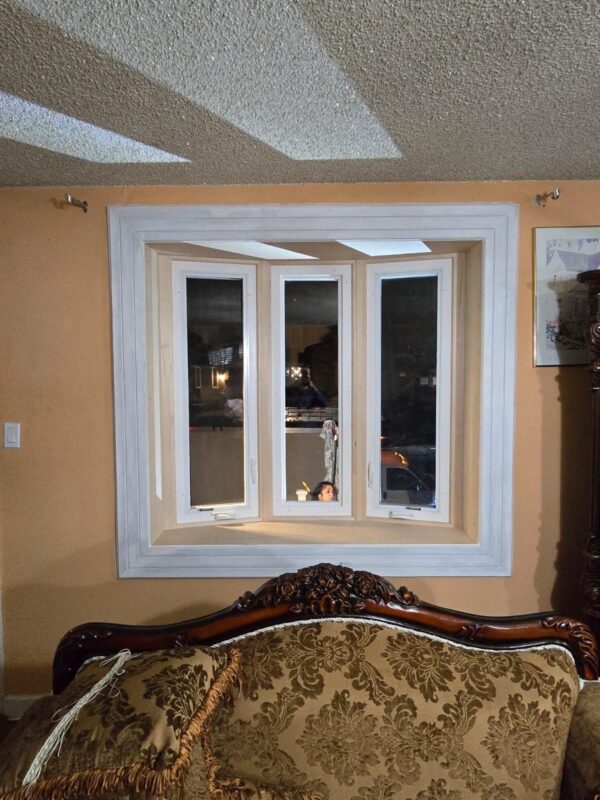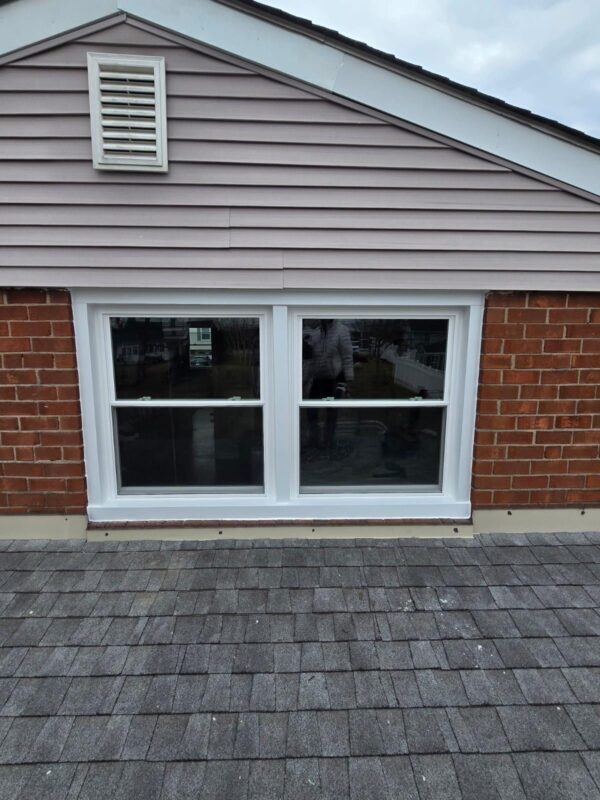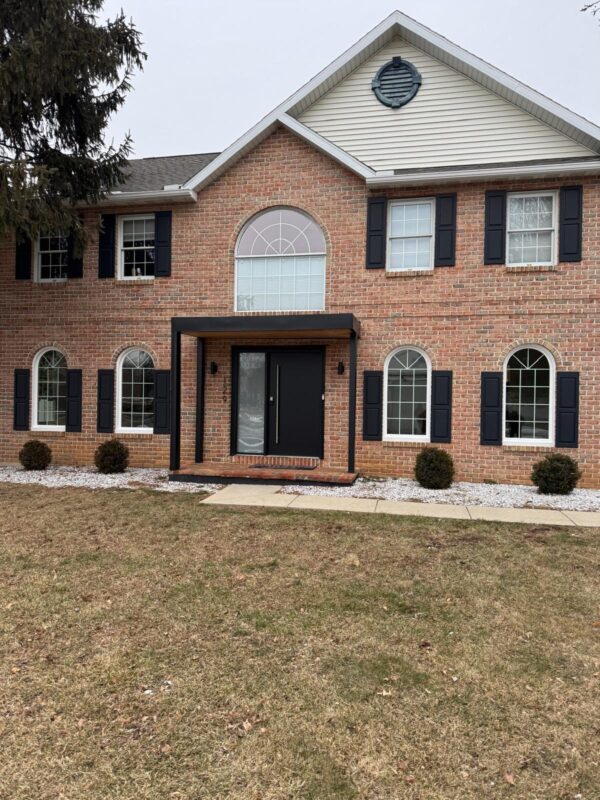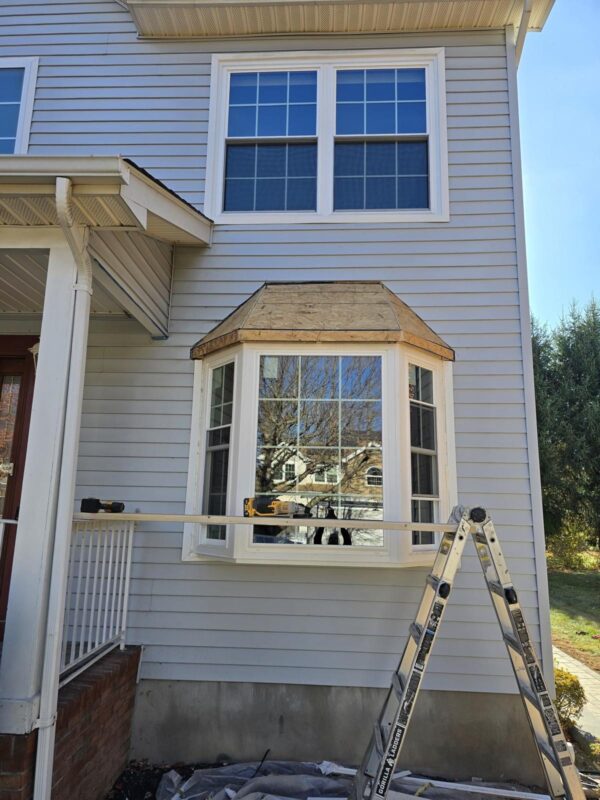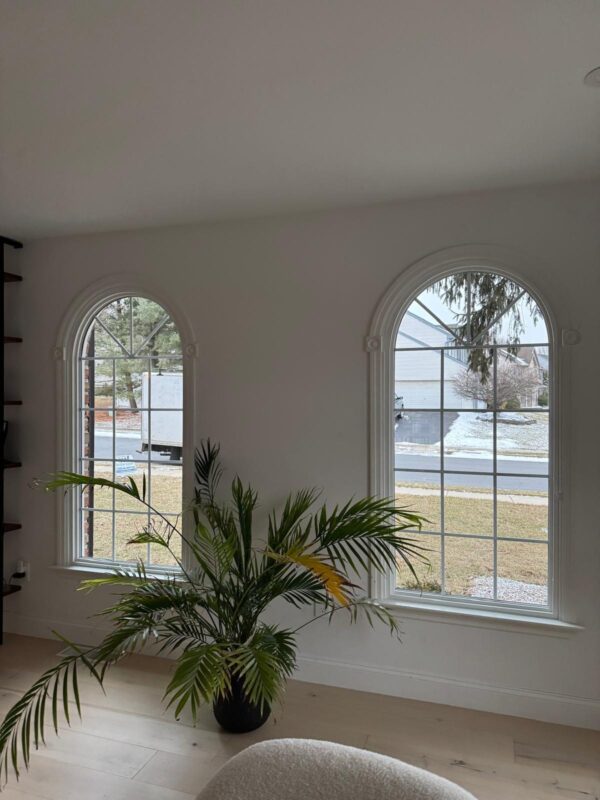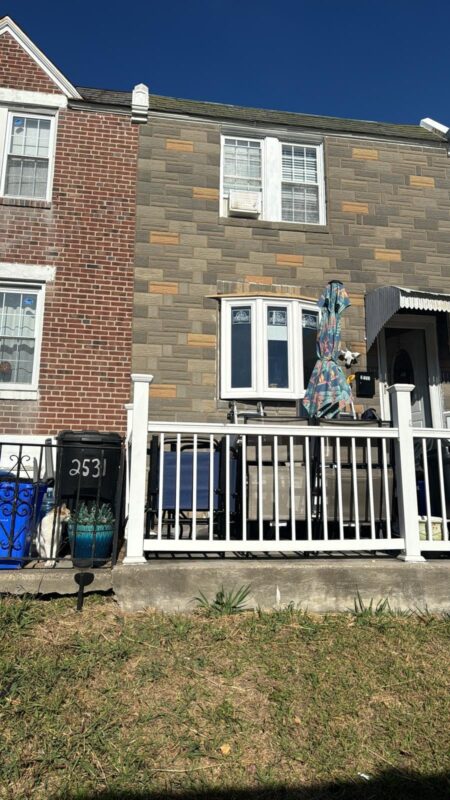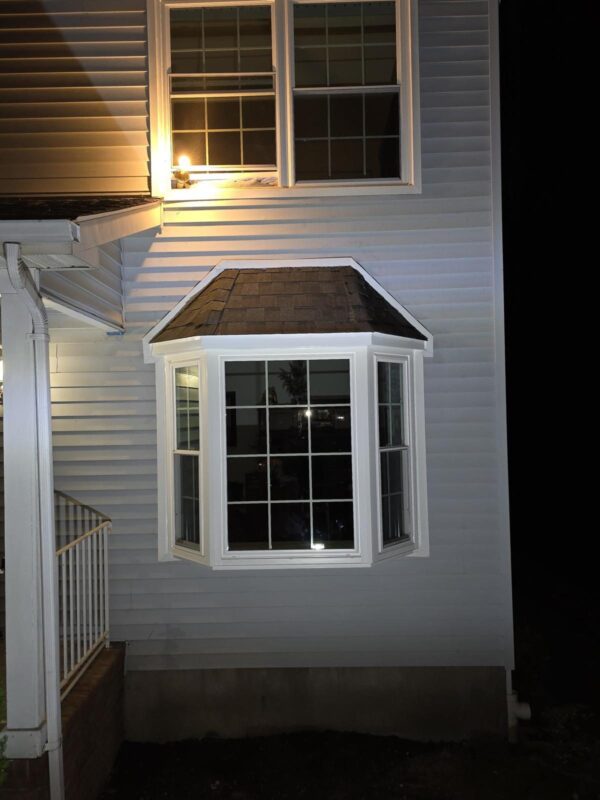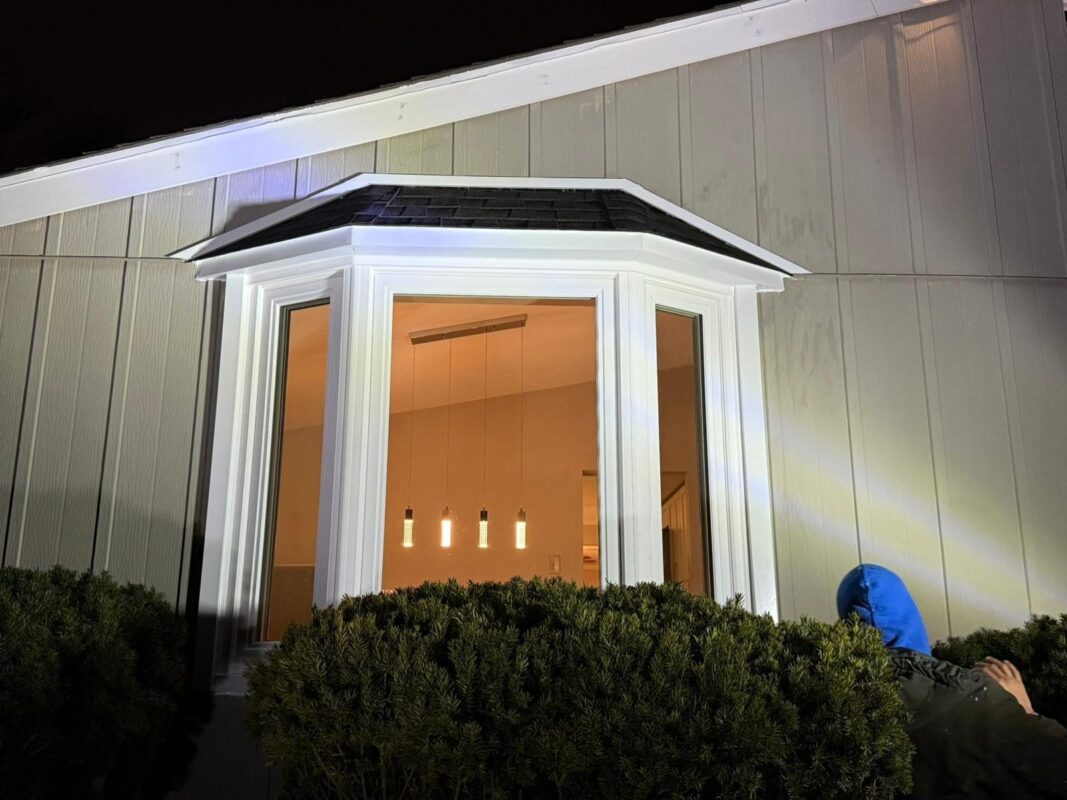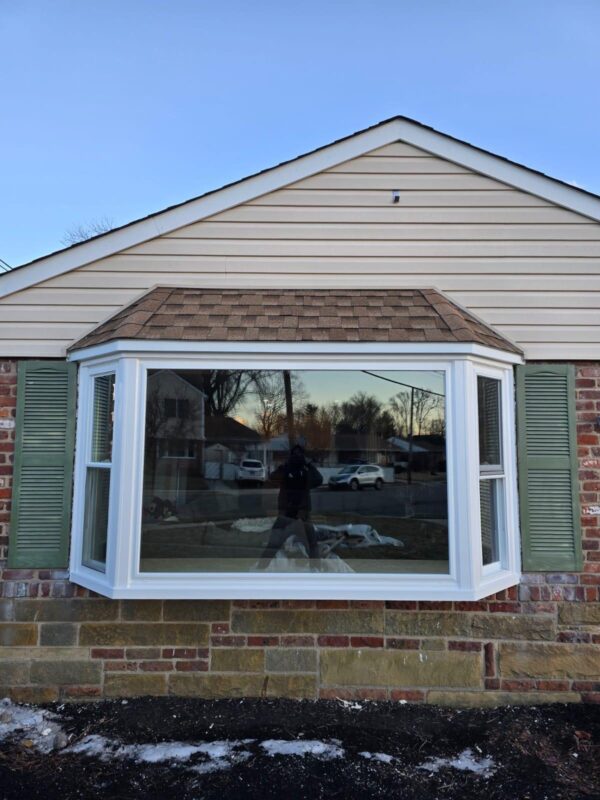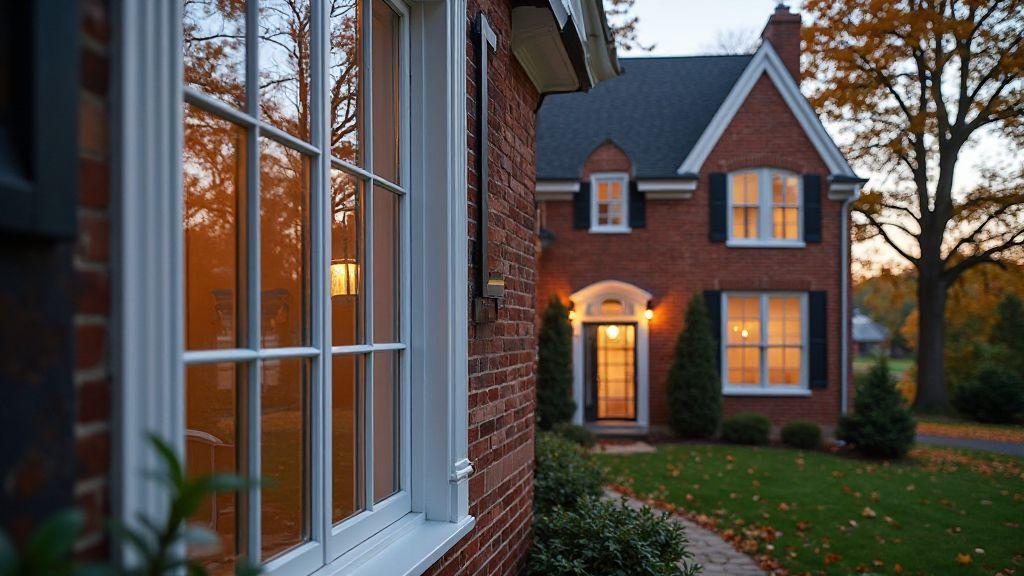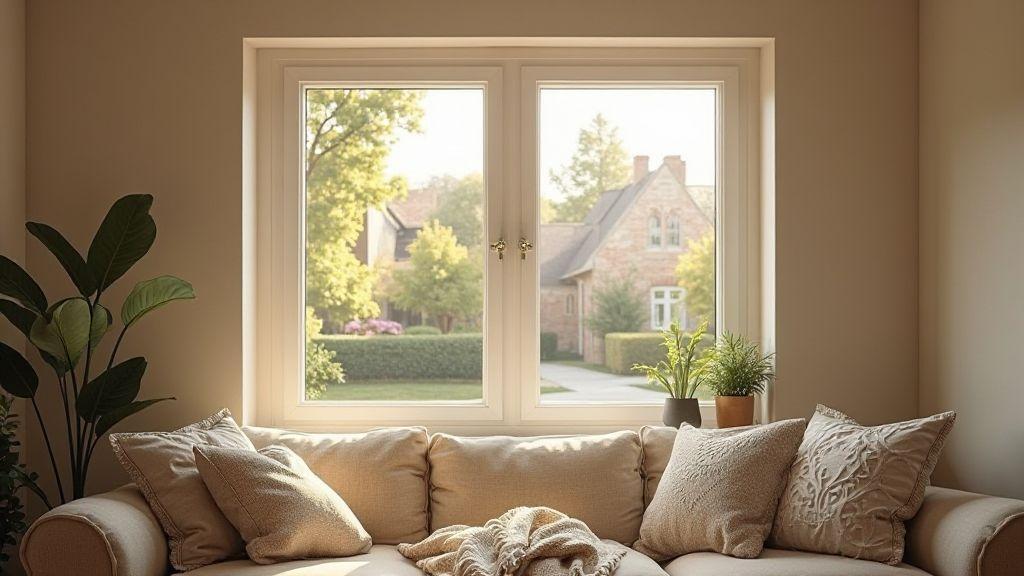
Homeowners across Bucks County, Philadelphia suburbs, and the wider Tri State Area frequently consider refinancing to secure better interest rates, reduce monthly payments, or access home equity for additional projects. During the refinance process, lenders require a current appraisal to establish property value and determine the loan amount. Window replacement stands out as one of the few exterior improvements that appraisers consistently recognize as adding measurable value, often recovering a significant portion of the project investment when reflected in the updated home valuation.
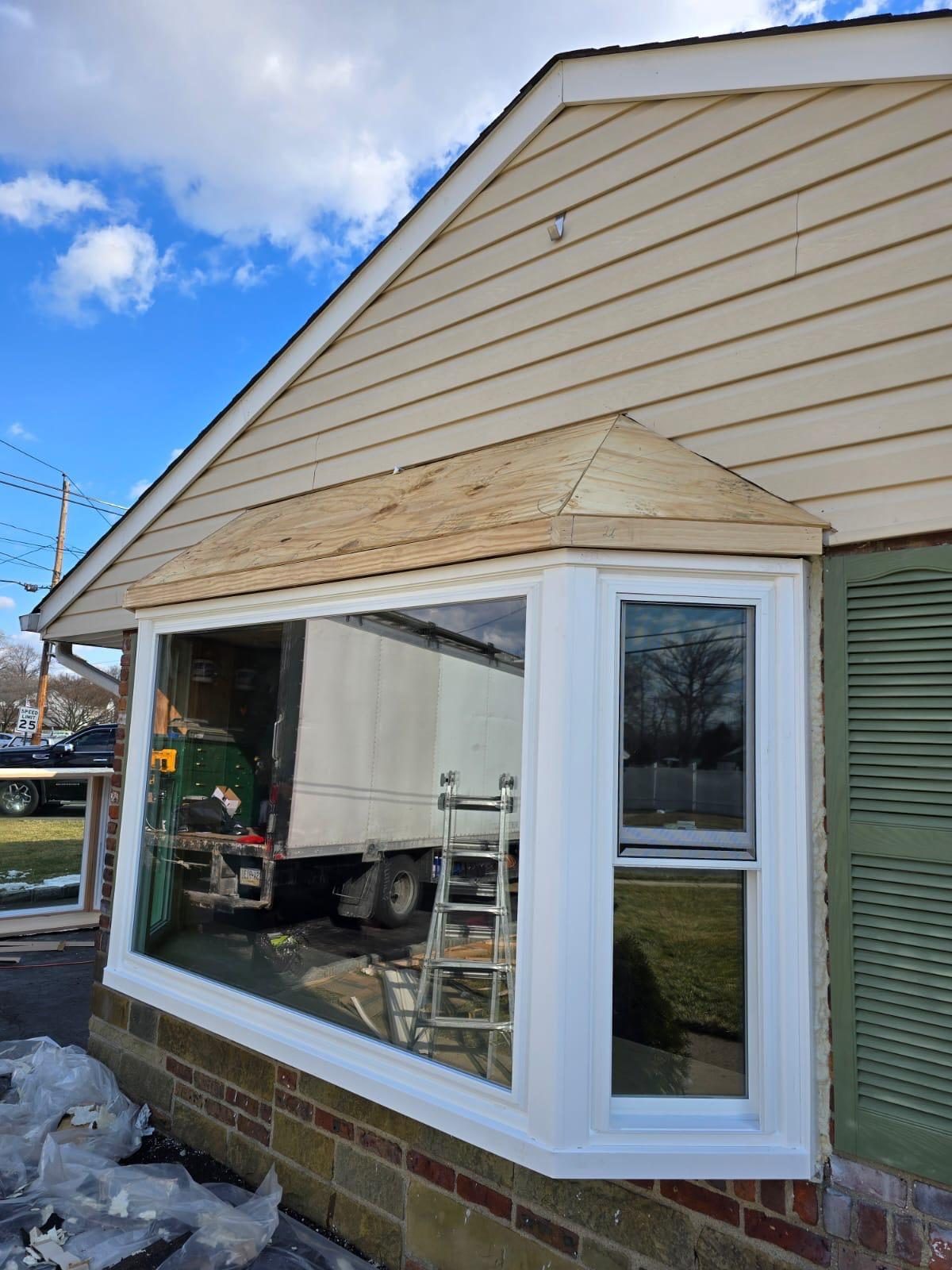
Unlike cosmetic upgrades that appeal primarily to buyer preference, replacement windows deliver quantifiable benefits that appraisers can document: reduced energy consumption, improved structural integrity, enhanced curb appeal, and compliance with current building codes. For homeowners in Langhorne, Newtown, Yardley, Levittown, and Bensalem planning a refinance within the next six to eighteen months, scheduling a professional window replacement Tri State Area project before the appraisal often proves strategically beneficial.
How Appraisers Evaluate Window Replacement in Pennsylvania
Appraisers assigned by Pennsylvania mortgage lenders follow standardized protocols when assessing residential properties. They examine structural condition, functional systems, and recent improvements. Window replacement receives attention in multiple sections of the appraisal report:
- Functional obsolescence assessment: Original single-pane windows, failed seals causing condensation between panes, or non-operating sashes represent functional deficiencies that reduce appraised value. New energy efficient windows eliminate these deficiencies, removing negative adjustments from the report.
- Comparable property analysis: Appraisers review recent sales of similar homes in the same township or neighborhood. If comparable properties feature newer windows and your home retains original units, the appraiser typically applies a downward adjustment. Installing replacement windows before appraisal eliminates that gap.
- Energy efficiency documentation: Homes with ENERGY STAR certified windows often receive favorable consideration in the appraisal narrative, particularly when paired with utility bill documentation showing reduced heating and cooling costs.
- Overall condition rating: Window condition heavily influences the appraiser’s overall rating (excellent, good, average, fair, poor). A full window replacement project can elevate a home from ‘average’ to ‘good’ or ‘good’ to ‘excellent,’ unlocking higher valuation brackets.
In Pennsylvania townships where older housing stock dominates, the condition gap between original windows and modern replacements is especially pronounced. A licensed and insured contractor performing code-compliant installation ensures the appraiser can verify the work meets current standards.
Timing Window Replacement for Maximum Refinance Impact
Strategic timing maximizes the impact of residential window installation on your refinance appraisal. Homeowners planning refinancing should consider these timeline factors:
- Complete installation at least 30 to 60 days before appraisal: This allows time for final inspection, manufacturer registration, and any required township final approval. Appraisers note completion dates; unfinished projects receive little to no valuation credit.
- Obtain all permits and final inspections: Bucks County and Philadelphia suburb townships require building permits for window replacement when changing opening sizes or structural framing. Appraisers verify permit records; unpermitted work raises red flags and may delay or derail refinancing.
- Retain all invoices and product specifications: Appraisers may request documentation of window brand, glass package (Low-E coatings, argon gas fill, U-factor ratings), and installation contractor license details. Complete records support higher valuation adjustments.
- Photograph before and after: Visual documentation helps appraisers understand the scope of improvement, particularly if they lack prior appraisal records for your property.
For homeowners combining multiple exterior upgrades, coordinating window door siding installation Tri State Area projects delivers compounded appraisal benefits. A complete exterior transformation typically yields higher valuation increases than the sum of individual improvements evaluated separately.
ROI and Valuation Increase: What Pennsylvania Homeowners Can Expect
National remodeling studies consistently rank window replacement among the top five exterior improvements for return on investment. In the Mid-Atlantic region, including Pennsylvania, New Jersey, and Delaware markets, homeowners typically recover 70 to 85 percent of window replacement costs in immediate resale value. For refinance purposes, the calculus differs slightly:
Refinance Valuation Perspective: Instead of waiting for resale to recoup costs, homeowners refinancing capture value immediately through increased loan amounts, reduced mortgage insurance requirements, or improved loan-to-value ratios that unlock better interest rates. A valuation increase of 60 to 75 percent of project cost still delivers meaningful financial benefits during refinancing.
Pennsylvania homeowners replacing 10 to 15 windows with mid-range vinyl or fiberglass units featuring Low-E glass and argon fill often see appraisal increases that offset 65 to 80 percent of the contractor invoice. The precise impact varies by:
- Baseline condition: Replacing severely deteriorated windows yields higher valuation gains than replacing functional but dated units.
- Window material and features: Fiberglass windows with triple-pane glass packages command higher appraisal recognition than basic vinyl double-hung units.
- Local market conditions: In high-demand townships like Newtown or Yardley, buyers and appraisers place premium value on energy efficiency and modern aesthetics, increasing ROI. In slower markets, returns moderate.
- Comparable property benchmarks: If most homes in your neighborhood already feature replacement windows, your upgrade maintains parity rather than creating competitive advantage. Conversely, being among the first on the block to upgrade can set a new valuation benchmark.
Homeowners should request detailed appraisal reports after refinancing closes to understand exactly how window replacement influenced the final valuation. This documentation proves valuable for future refinancing or eventual resale planning.
Energy Efficiency and Appraisal Addendums in Pennsylvania
Pennsylvania lenders increasingly request energy efficiency addendums to standard appraisals, particularly for properties pursuing energy-efficient mortgages or green refinancing programs. These specialized appraisals assign explicit valuation credit to features that reduce long-term operating costs:
- ENERGY STAR certification: Windows carrying the ENERGY STAR label for the Northern climate zone qualify for specific valuation credits in some appraisal protocols.
- U-factor and Solar Heat Gain Coefficient (SHGC) ratings: Appraisers may record these specifications when evaluating energy performance. Lower U-factors (better insulation) and optimized SHGC values (balancing heat gain and loss) support higher efficiency ratings.
- Utility cost analysis: Some energy addendums compare estimated heating and cooling costs before and after window replacement, translating energy savings into capitalized value using income approach methodologies.
Homeowners pursuing these enhanced appraisals should ensure their contractor provides complete product specification sheets and NFRC (National Fenestration Rating Council) labels for all installed windows. A single project manager who handles documentation from quote to final inspection simplifies this process considerably.
Window Replacement vs. Other Exterior Improvements for Refinance Value
Pennsylvania homeowners often debate whether to prioritize window replacement or other exterior projects before refinancing. Comparative analysis reveals distinct valuation profiles:
| Improvement Type | Typical Appraisal Recognition | Refinance Timing Considerations |
|---|---|---|
| Window Replacement | High – directly addresses functional deficiencies, energy efficiency, and condition ratings | Ideal 30-60 days before appraisal; immediate impact on comparables analysis |
| Siding Renovation | Moderate to High – primarily curb appeal and weather protection; less functional impact | Strong visual impact; best combined with window work for cohesive exterior upgrade |
| Door Replacement | Moderate – entry door upgrades enhance security and aesthetics but affect fewer square feet | Quick project; can complete 2-3 weeks before appraisal if needed |
| Deck Building | Moderate – adds functional outdoor space but may not influence comparables if neighborhood lacks decks | Longer construction timeline; plan 60-90 days ahead of appraisal |
| Shed Installation | Low to Moderate – utility value varies by property size and buyer preferences | Minimal appraisal impact; prioritize only if storage deficiency noted in prior appraisals |
For maximum refinance value in a single project, replacement windows deliver the most consistent appraisal recognition across diverse Pennsylvania markets. When budget permits, combining window work with siding renovation Tri State Area services creates a comprehensive exterior upgrade that appraisers evaluate as a cohesive improvement rather than isolated changes.
Historic Homes and Window Replacement Appraisal Challenges
Bucks County and Philadelphia suburbs contain significant historic housing stock, including properties in designated historic districts or registered landmarks. Window replacement in these homes presents unique appraisal considerations:
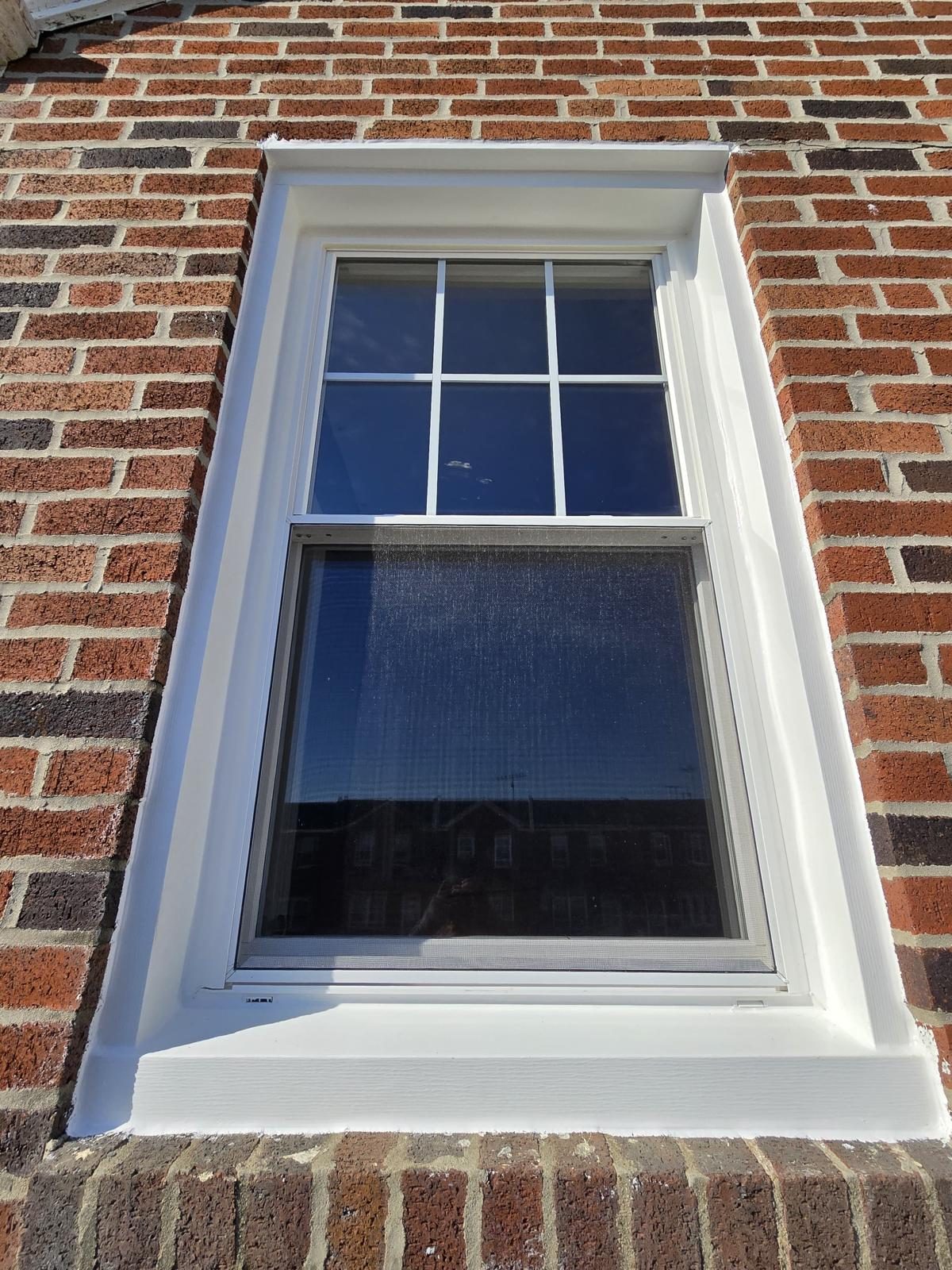
- Historic preservation compliance: Replacement windows must match original profiles, muntin patterns, and material aesthetics. Appraisers familiar with historic properties verify compliance with local historic commission guidelines. Non-compliant installations may reduce rather than increase appraised value.
- Specialized window products: True divided-light windows, custom wood species matching, and period-appropriate hardware increase project costs but deliver higher appraisal recognition in historic contexts.
- Certificate of Appropriateness documentation: Historic district approvals add credibility to the appraisal narrative, demonstrating that improvements enhance rather than compromise the property’s historic character.
Homeowners with historic properties should engage contractors experienced in period-appropriate window replacement and familiar with local historic commission requirements. Appraisers evaluating historic homes often consult municipal records to verify proper approvals; unauthorized alterations trigger significant valuation penalties.
Refinance Appraisal vs. Future Resale: Different Value Equations
Window replacement influences refinance appraisals differently than it affects resale transactions. Understanding these distinctions helps homeowners set realistic expectations:
Refinance appraisal context: The appraiser knows you are keeping the property and borrowing against it. They evaluate current condition, functional adequacy, and comparison to similar properties. Window replacement that eliminates deficiencies or brings your home to neighborhood parity delivers measurable value. Appraisers apply conservative adjustments because the lender needs defensible valuations that protect the loan.
Resale market context: Buyers emotionally respond to new windows, fresh curb appeal, and move-in ready condition. Real estate agents emphasize energy savings and low maintenance. Market value often exceeds appraisal value in competitive bidding situations. Window replacement can trigger buyer interest that pushes sale prices above comparable properties, especially in desirable townships like Newtown or Yardley.
For homeowners planning to refinance now and sell within three to five years, window replacement delivers compounded benefits: immediate appraisal value supporting better loan terms today, plus enhanced marketability and buyer appeal at resale.
Working with Licensed Contractors for Appraisal-Ready Installation
Appraisers verify contractor licensing, permitting, and code compliance when evaluating recent improvements. Homeowners maximize refinance value by choosing licensed and insured professionals who:
- Pull required permits: Pennsylvania townships require permits for window replacement involving structural modifications, size changes, or egress window installations. Permitted work appears in municipal records that appraisers routinely check.
- Provide detailed invoices: Itemized invoices listing window brands, quantities, glass specifications, and installation labor help appraisers calculate replacement cost and verify scope of work.
- Complete final inspections: Township building inspectors issue final approvals confirming code compliance. Appraisers note inspection status; open permits or failed inspections raise red flags.
- Offer warranty documentation: Manufacturer warranties on glass and frame components, plus contractor workmanship warranties, add appraisal credibility and demonstrate professional installation standards.
A single project manager overseeing the entire process from initial estimate through final inspection ensures consistent documentation and communication with appraisers if questions arise. Homeowners can provide the appraiser with contractor contact information for verification of work quality and completion dates.
Frequently Asked Questions
Does window replacement always increase home appraisal value in Pennsylvania?
Window replacement increases appraisal value when it eliminates functional deficiencies, improves energy efficiency, or brings the property to parity with comparable homes in the neighborhood. Appraisers typically recognize 60 to 80 percent of window replacement cost in the updated valuation, with exact impact depending on baseline condition, product quality, and local market expectations. In cases where existing windows already meet or exceed neighborhood standards, additional upgrades yield diminishing marginal returns. Licensed contractors provide realistic expectations based on your specific property condition and township market dynamics.
How long before refinancing should I schedule window replacement?
Schedule window replacement to complete 30 to 60 days before your refinance appraisal. This timeline allows for permit approval, professional installation, final township inspection, and manufacturer registration. Appraisers assign full credit only to completed projects with closed permits and documented final inspections. Rushed installations or projects still in progress receive minimal to no valuation consideration. For homes requiring custom window orders or historic district approvals, extend the timeline to 90 days. Coordinate with your mortgage lender to confirm the appraisal scheduling window before starting the project.
Will my lender require documentation of window replacement during refinancing?
Most Pennsylvania lenders do not require unsolicited window replacement documentation during standard refinancing. However, appraisers often request invoices, permits, and product specifications when they observe recent window work during the property inspection. Homeowners should proactively gather contractor invoices, building permit copies, NFRC labels, warranty certificates, and before-after photos to provide if requested. This documentation helps appraisers justify valuation increases in their reports and expedites the appraisal review process. For energy-efficient mortgage refinancing programs, lenders explicitly require product specifications demonstrating ENERGY STAR certification or minimum performance ratings.
Can I refinance immediately after window replacement or should I wait?
You can initiate refinancing immediately after window replacement is complete, permitted, and inspected. Waiting three to six months offers no additional appraisal benefit once the project receives final approval. In fact, refinancing promptly captures the valuation increase while interest rate environments remain favorable. Delaying refinancing risks missing rate windows or allowing other market conditions to shift. Ensure all permits are closed, final inspections are complete, and you have organized documentation before contacting lenders. Some homeowners strategically time window replacement to coincide with planned refinancing six to eight weeks later, maximizing coordination between project completion and appraisal scheduling.
Do energy-efficient windows provide more refinance value than standard replacement windows?
Energy-efficient windows with Low-E coatings, argon or krypton gas fill, and ENERGY STAR certification typically receive higher appraisal recognition than basic replacement windows, particularly in Pennsylvania climate zones where heating and cooling costs significantly impact homeowner expenses. Appraisers note energy performance specifications in their reports, and energy-efficient mortgage programs offer explicit valuation credits for qualifying windows. The incremental appraisal value often justifies the modest cost difference between standard and high-performance glass packages. Homeowners pursuing green refinancing or energy-efficient mortgages should prioritize windows meeting ENERGY STAR Northern Zone criteria and ensure contractors provide complete NFRC documentation for appraisal verification.
Ready to increase your home’s refinance value? Santos Replacement provides licensed and insured residential window installation across Bucks County, Philadelphia suburbs, and the Tri State Area. Our single project manager guides you from free estimate through final inspection, ensuring your window replacement project delivers maximum appraisal impact. Contact Santos Replacement today to schedule your free in-home consultation and discuss how professional window replacement can support your Pennsylvania refinancing goals.